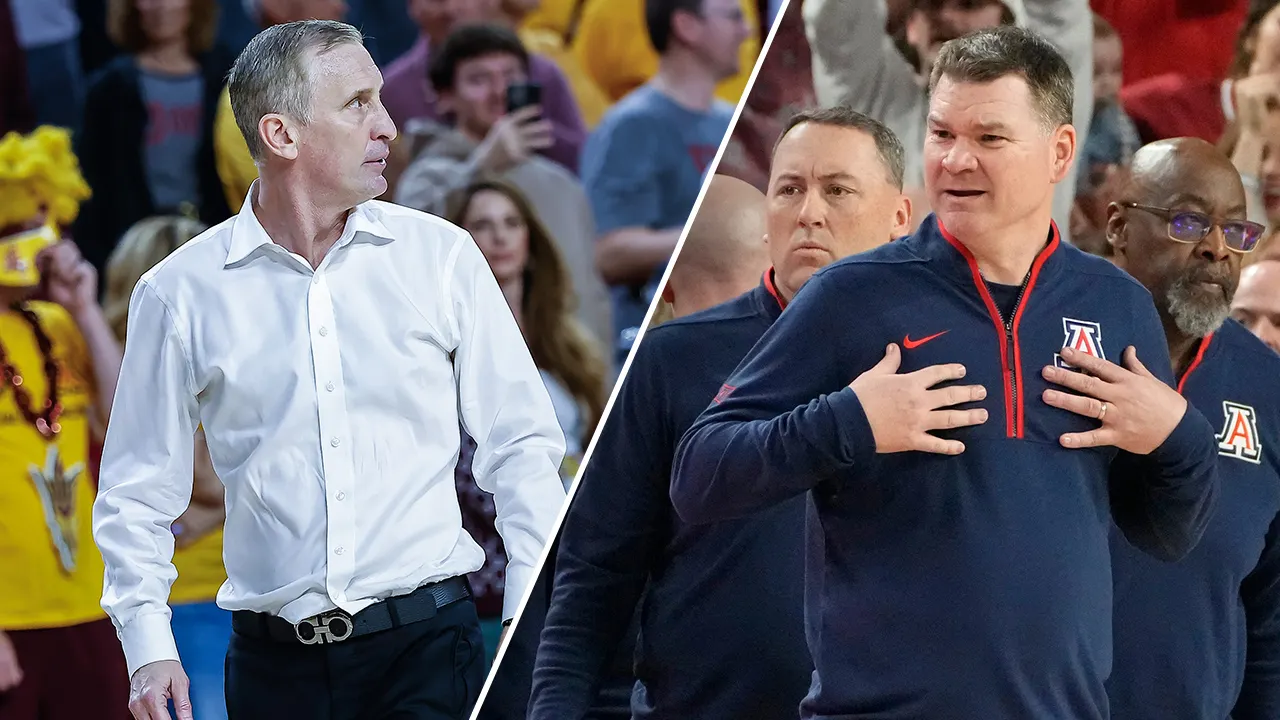
Bobby Hurley’s Bold Move: A Stand Against Unsportsmanlike Conduct
In a significant moment that has resonated throughout the sports community, Arizona State’s head coach Bobby Hurley has made headlines by taking a firm stand against unsportsmanlike conduct. Following a series of incidents during a recent game, Hurley made the bold decision to send his team to the locker room early, a move that has sparked essential conversations about sportsmanship, leadership, and the responsibilities of coaches in today’s competitive environment.
The Context of the Incident
This incident unfolded during a high-stakes game where tensions were already running high. The atmosphere was charged, with both teams vying for dominance in a crucial match-up. As the game progressed, however, a pattern of unsportsmanlike behavior began to emerge. Players from both sides engaged in trash talk, unsportsmanlike fouls, and confrontational gestures, which not only tarnished the spirit of competition but also posed a risk of escalating violence on the court.
As the game reached a boiling point, Coach Hurley recognized that the integrity of the sport was at stake. He decided to act decisively, prioritizing the values of respect and sportsmanship over the immediate desire to win. By sending his players to the locker room, Hurley sent a clear message: unsportsmanlike conduct will not be tolerated, regardless of the circumstances.
Why This Decision Matters
Coach Bobby Hurley’s bold move is significant for several reasons:
- Promoting Respect: Sports are built on a foundation of respect—among players, coaches, and officials. By taking a stand, Hurley reinforces the idea that respect must be maintained, even in the heat of competition.
- Setting an Example: Coaches play a vital role in shaping the behavior of their players. Hurley’s actions serve as a powerful example to his team and others in the league, demonstrating that integrity and good sportsmanship should always come first.
- Encouraging Accountability: This incident encourages players to hold themselves and each other accountable for their actions on and off the court. It cultivates a culture where sportsmanship is celebrated and unsportsmanlike behavior is condemned.
The Broader Implications for College Sports
Bobby Hurley’s decision raises larger questions about the culture of college sports. In recent years, there have been numerous instances of unsportsmanlike conduct across various sports, leading many to wonder if the competitive nature of athletics is overshadowing the fundamental values of fair play.
Coaches are often faced with difficult situations where they must balance the desire to win with the need to uphold the integrity of the game. Hurley’s actions serve as a reminder that this balance is critical for the future of college sports.
Reactions from the Sports Community
Following the incident, reactions poured in from players, commentators, and fans alike. Many praised Hurley’s decision as a courageous move that exemplifies true leadership. Former players and coaches took to social media to express their support, highlighting the importance of character in athletics.
However, not everyone agreed with Hurley’s approach. Some critics argued that sending the team to the locker room was an overreaction that could demoralize the players and hurt the team’s performance in future games. This division of opinion underscores the complexity of the issue and the challenges coaches face in navigating such situations.
What This Means for Future Coaching Strategies
Coach Hurley’s bold move is likely to influence coaching strategies across the NCAA. Coaches may now find themselves reevaluating their approaches to discipline and sportsmanship. Here are a few strategies that could emerge as a result:
- Proactive Communication: Coaches might prioritize open dialogues about sportsmanship with their players, setting clear expectations before the season begins.
- Team Workshops: Implementing workshops that focus on the importance of respect, teamwork, and handling adversity could become more common.
- Real-time Decision Making: Coaches may become more vigilant during games, ready to intervene when they see unsportsmanlike behavior manifesting on the court.
The Role of Sportsmanship in Athlete Development
At its core, sportsmanship is about more than just playing fair; it’s about developing character and integrity. Athletes are often viewed as role models, and their behavior on the court can influence young fans and aspiring players.
By promoting sportsmanship, coaches like Bobby Hurley contribute to the holistic development of their athletes. This commitment to character building can lead to positive life skills, such as teamwork, resilience, and respect, which extend far beyond the playing field.
Conclusion: A Call to Action for Coaches and Athletes
Bobby Hurley’s bold move serves as a pivotal moment in college sports, prompting a necessary conversation about sportsmanship and the responsibilities of coaches. His actions highlight the importance of standing up against unsportsmanlike conduct and remind us all that winning is not everything. The true spirit of competition lies in respect, integrity, and sportsmanship.
As we move forward, it is crucial for coaches, players, and fans alike to embrace these values. By fostering an environment where sportsmanship is celebrated, we can ensure that the future of athletics remains bright and true to its foundational principles. Let this be a call to action for everyone involved in sports: let’s work together to promote respect, fairness, and integrity in every game played.
See more Highlights Daily


