When National Pride Turns Sour: The Canadian Response to the U.S. Anthem
In a recent sporting event that captured the attention of fans across North America, Canadian supporters made headlines for their vocal discontent during the performance of the United States national anthem. This unexpected reaction has ignited a broader conversation about national identity, sportsmanship, and the intricacies of cross-border relations, particularly in the context of friendly competition. What led to this response, and what does it reveal about Canadian national pride and identity? Let’s dive into the details.
Understanding the Incident
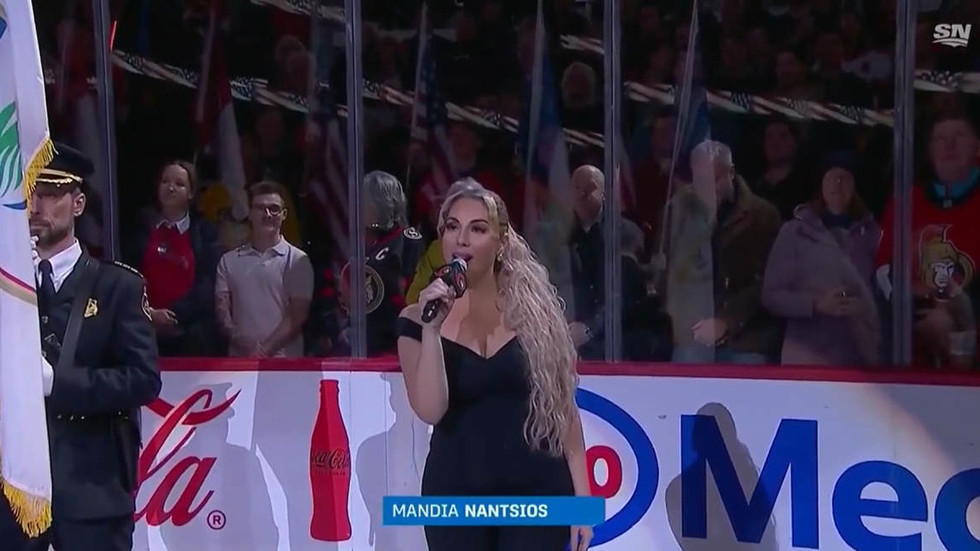
During a much-anticipated hockey match between Canada and the United States, the atmosphere was charged with excitement. However, as the U.S. national anthem began to play, a significant portion of the Canadian audience engaged in vocal protests, booing and jeering throughout the performance. This moment not only shocked those present but also sparked a flurry of social media reactions and news coverage.
The Roots of Discontent
The Canadian response to the U.S. anthem can be traced to several underlying factors:
- National Pride: Canadians take immense pride in their identity, which is often contrasted with their American neighbors. While both nations share a border and many cultural similarities, there is a distinct Canadian identity that some feel is overshadowed by the larger presence of the U.S. in international affairs.
- Historical Context: The history of Canada and the U.S. is marked by both cooperation and competition. Events like the War of 1812 and various trade disputes have left a lasting impression on Canadian consciousness, leading to a complex relationship that can sometimes manifest in sporting events.
- Sportsmanship and Rivalry: Sports often act as a microcosm of national pride and rivalry. In hockey, where Canada has long been a dominant force, any perceived slight against the nation can trigger strong emotional responses from fans.
The Role of Sport in National Identity
Sports have always played a crucial role in shaping national identity. For Canadians, hockey is not just a game; it’s a cultural institution. The sport embodies values such as teamwork, perseverance, and a fierce sense of loyalty to one’s country. When Canadian fans reacted to the U.S. anthem, it was more than just a protest; it was a demonstration of their commitment to their national identity.
Analyzing the Reaction
While some may argue that booing the U.S. anthem was disrespectful, others view it as a legitimate expression of national pride. The reaction can be analyzed from multiple perspectives:
- Defending National Honor: Many Canadians see themselves as the underdog in the North American context, and any perceived slight from a neighboring country can evoke a protective response.
- Expression of Frustration: The incident reflects broader frustrations with how Canada is sometimes viewed on the global stage, particularly in relation to the U.S. This reaction may have been an outlet for pent-up feelings of being overshadowed or dismissed.
- Sports as a Platform: Sporting events often serve as a stage for expressing national sentiments. Fans feel empowered to voice their opinions, and such displays can galvanize a sense of unity among supporters.
Broader Implications for Canadian-American Relations
The incident has sparked discussions not only about national pride but also about the state of Canadian-American relations. As two countries that share a deep and complex history, moments like this can serve as important reminders of the sensitivities that linger beneath the surface.
The Importance of Diplomacy in Sports
While sports are meant to foster goodwill and friendly competition, they can also highlight divisions. The Canadian response to the U.S. anthem raises questions about how sports can be a conduit for diplomatic dialogue:
- Encouraging Respect: Sports leagues and organizations must emphasize the importance of respect for all national anthems as part of their code of conduct. This can help to cultivate an environment of sportsmanship.
- Building Bridges: Initiatives that promote cross-border events or collaborative sports programs can help to build camaraderie and mutual understanding among fans from both nations.
- Creating Awareness: Educational programs that explore the histories and cultures of both nations can foster greater appreciation and respect, reducing the likelihood of such incidents in the future.
The Role of Social Media
In today’s digital age, social media plays a pivotal role in shaping public discourse. Following the incident, platforms like Twitter and Facebook were flooded with reactions from fans, commentators, and even former athletes. This instant feedback loop can amplify sentiments, both positive and negative, leading to a broader conversation about national pride and identity.
Shaping the Narrative
Social media can serve as both a unifying and divisive force:
- Amplifying Voices: Fans can share their perspectives widely, creating a sense of community around shared sentiments of national pride.
- Creating Division: Conversely, social media can also lead to polarizing opinions, with some condemning the booing while others defend it as a rightful expression of nationalism.
Conclusion: Moving Forward with Understanding
The Canadian response to the U.S. anthem during the recent hockey match serves as a catalyst for deeper discussions about national pride, identity, and the nature of international relations. While the incident itself may have been contentious, it opens the door for constructive dialogue about how nations can coexist and celebrate their unique identities while fostering mutual respect.
As we reflect on this event, it’s vital to recognize that while national pride is an essential aspect of identity, it should not come at the expense of respect for others. Moving forward, both Canadians and Americans can strive to celebrate their differences while finding common ground in their shared love of sports.
See more Highlights Daily


