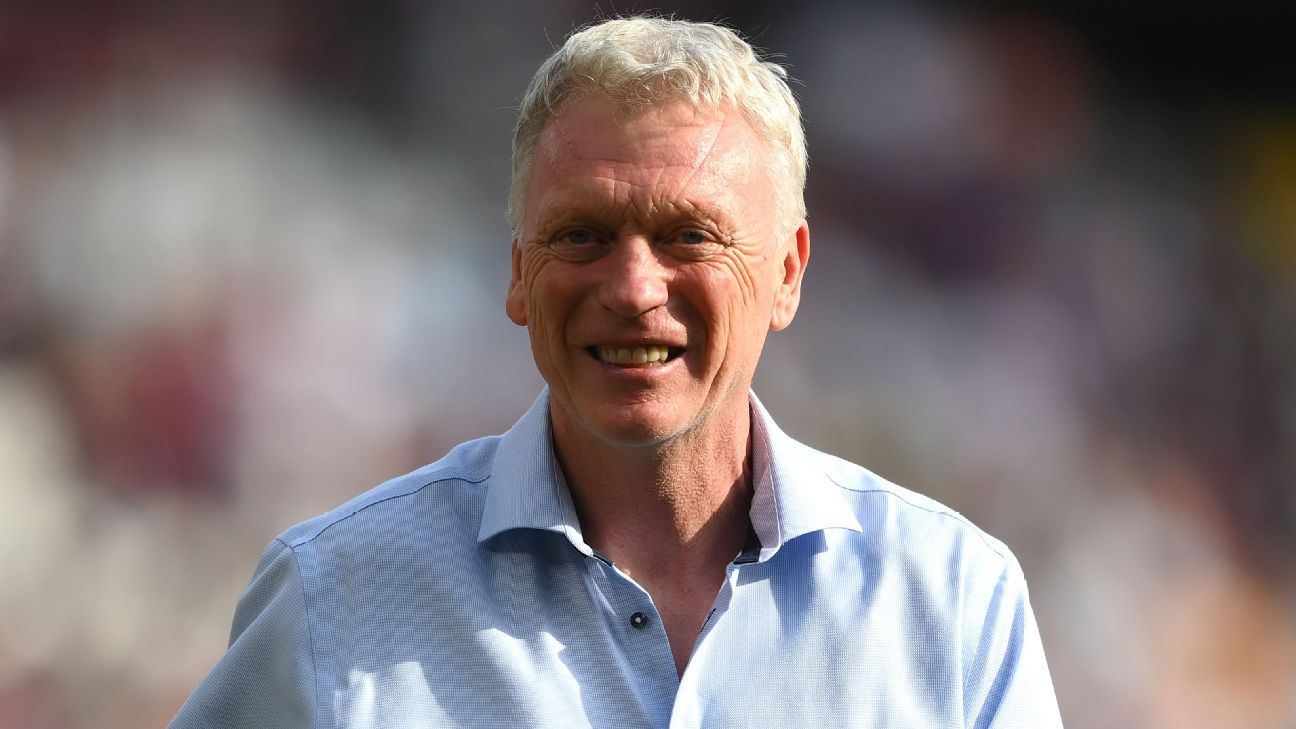
Everton’s Strategic Shift: David Moyes Returns as Manager
In a bold move, Everton has reappointed David Moyes as their manager, stepping in to replace Sean Dyche. This decision comes as the club navigates challenging circumstances, raising questions about its future direction and ambitions. Moyes, who previously enjoyed a successful tenure at Goodison Park from 2002 to 2013, faces the daunting task of revitalizing a squad that has struggled in recent seasons. His return is not just a nostalgic callback but a strategic shift aimed at restoring the club’s former glory.
The Context of Everton’s Current Situation
Everton Football Club, steeped in history and tradition, finds itself in turbulent waters. The departure of Sean Dyche, who was unable to steer the club away from the relegation zone, highlights the precarious state of affairs. The Toffees have faced a combination of poor performances, injuries, and a lack of cohesion on the pitch, leading to mounting pressure on the management and the players alike.
Moyes’ reappointment comes at a time when the club’s identity and ambitions are being closely scrutinized. The club’s board is under pressure from fans and stakeholders to not only avoid relegation but also to build a competitive squad that can challenge for European spots in the future. The strategic shift towards Moyes signals a commitment to stability and experience, qualities that the club desperately needs right now.
David Moyes: A Familiar Face
David Moyes is no stranger to Everton. During his initial spell, he transformed the club from a mid-table team into regular contenders for European qualification. His tactical acumen, ability to nurture young talent, and strong man-management skills were pivotal in establishing a robust foundation for the club. Key players such as Leighton Baines, Joleon Lescott, and more recently, the likes of Romelu Lukaku flourished under his guidance.
Upon his departure in 2013 to manage Manchester United, Moyes left behind a legacy that is still fondly remembered by many Evertonians. His return is viewed by many as a potential turning point for the club. However, Moyes must confront the reality of a squad that is in need of rejuvenation and tactical realignment.
What This Means for Everton’s Future
The reappointment of Moyes is not merely a nostalgic gesture; it represents a strategic shift aimed at re-establishing Everton’s identity in the Premier League. The club’s management believes that Moyes possesses the tools necessary to navigate the current challenges and build a squad that can compete effectively.
- Stability: Moyes’ familiarity with the club and its culture provides a foundation of stability that the players can rally around.
- Experience: His extensive experience in the Premier League equips him to handle pressure and make informed decisions during critical match situations.
- Youth Development: Moyes has a history of developing young talents, which is crucial for Everton, given their recent emphasis on integrating youth into the first team.
Challenges Ahead
While the reappointment is a strategic shift towards stability, it does not come without its challenges. Moyes will need to address several pressing issues:
- Squad Depth: Everton’s squad has faced injuries that have severely limited their options. Moyes will need to assess the fitness and form of his players quickly.
- Tactical Flexibility: Adapting to the evolving nature of the Premier League is essential. Moyes must ensure that his tactics are both adaptable and effective against various opponents.
- Fan Expectations: The expectations from the fans are high, and Moyes will need to manage these expectations while focusing on long-term goals.
Strategic Goals for the Future
The reappointment of David Moyes sets the stage for several strategic goals that the club must pursue in the coming months:
- Preventing Relegation: The immediate priority is to secure enough points to avoid relegation, which would have dire financial and reputational consequences for the club.
- Building a Competitive Team: Increasing the squad’s quality and depth through smart transfers will be essential. Moyes’ knowledge of the market can be advantageous here.
- Re-engaging the Fanbase: Reinstating the connection with the fans, who have been disillusioned with recent performances, is crucial. Engaging with the community can foster a supportive atmosphere at Goodison Park.
The Role of Leadership in a Strategic Shift
Leadership plays a vital role in any strategic shift. Moyes will need the support of the club’s board and a clear vision for the future. A collaborative approach involving the board, coaching staff, and players can lay the groundwork for a successful transformation. Communication will be key; fans and players alike must understand the direction in which the club is headed.
Furthermore, the board must provide Moyes with the necessary resources to implement his vision. This includes financial backing for player acquisitions, investment in training facilities, and ensuring that the club’s long-term strategy aligns with Moyes’ philosophy.
Conclusion: A New Dawn for Everton?
Everton’s strategic shift in reappointing David Moyes marks a pivotal moment for the club. It embodies a return to the principles that once saw the Toffees thrive in the Premier League. While the road ahead is fraught with challenges, Moyes’ experience and familiarity with the club offer a glimmer of hope. As Everton navigates these turbulent times, the commitment to stability, development, and a clear vision for the future will be paramount. The fans, ever passionate and loyal, will be watching closely as their beloved club embarks on this new chapter under the stewardship of a familiar face.
See more Highlights Daily


