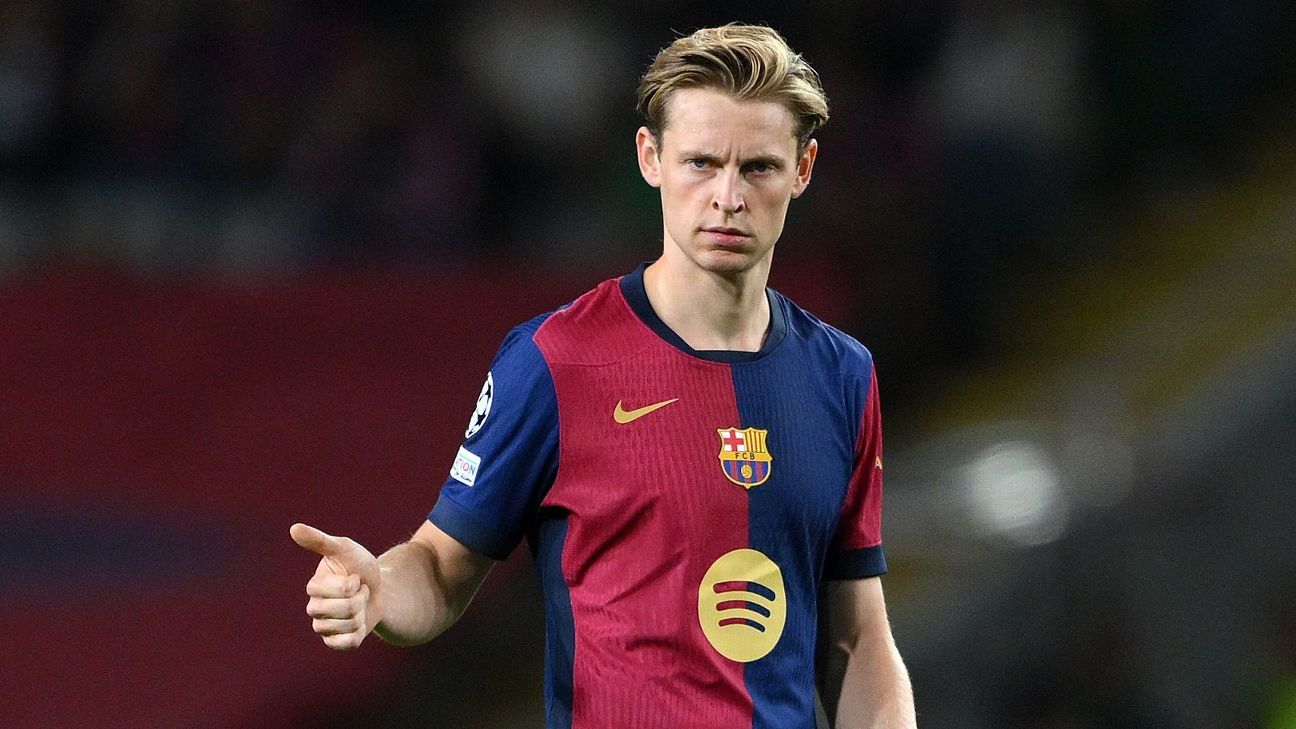
Frenkie de Jong Reflects on Barcelona’s Trophy Drought
As Barcelona finds itself in a challenging period marked by a notable absence of silverware, star midfielder Frenkie de Jong has openly shared his reflections on the team’s struggles. The emotional weight of unmet expectations and the implications for the club’s future ambitions are matters he has addressed, shedding light on what many fans and analysts are deeming a disappointing era for one of football’s most storied clubs.
The Current Landscape of Barcelona’s Performance
Barcelona, once synonymous with success, has faced a stark reality in recent seasons. The club has struggled to capture major trophies, leading to a sense of disillusionment among players and supporters alike. De Jong’s insights come at a time when the footballing world is keenly observing how the team navigates this challenging period.
In recent years, the Catalan giants have experienced a series of ups and downs. With managerial changes, financial turmoil, and a shift in player dynamics, the consistency that once defined Barcelona’s game has waned. The departure of legendary figures such as Lionel Messi has left a significant void that has yet to be filled. De Jong’s perspective is crucial, as he embodies the new generation of players tasked with revitalizing the club’s fortunes.
Frenkie de Jong’s Perspective on the Trophy Drought
In a recent interview, Frenkie de Jong expressed his feelings regarding the current state of the team. “It’s difficult to accept not winning trophies, especially when you know the potential we have. We train hard, and we genuinely believe we can achieve great things,” he stated, highlighting the emotional toll that the lack of success has had on the squad.
De Jong emphasized that the expectations at Barcelona are incredibly high, and when they aren’t met, the disappointment is palpable. This sentiment resonates deeply within the fanbase, who have long been accustomed to a winning culture. The absence of trophies not only affects the players’ morale but also the club’s standing in the footballing hierarchy.
Analyzing the Causes of Barcelona’s Struggles
The reasons behind Barcelona’s trophy drought are multifaceted, encompassing various aspects of the club’s structure and strategy:
- Financial Issues: The financial instability that has plagued the club has resulted in a restricted budget for player acquisitions and renewals. This has hindered the team from bringing in top talents who could make an immediate impact.
- Managerial Changes: Frequent changes in management have disrupted the team’s tactical coherence. Each new manager brings a different philosophy, making it challenging for players to adapt and find consistency on the pitch.
- Player Development: While Barcelona has a rich history of nurturing talent through its famed La Masia academy, the recent emphasis on immediate results has led to an over-reliance on established players rather than integrating youth.
- Injuries: Injuries to key players at critical moments have further derailed potential successes in competitions.
The Emotional Toll on Players and Fans
For players like Frenkie de Jong, the emotional stakes are high. The pressure to perform at a club with such a prestigious history can lead to frustration when results don’t match expectations. De Jong elaborated, “Every match feels like a final. We want to win, not just for ourselves but for the fans who support us through thick and thin.” This dedication to the supporters reflects a common thread among players who are keenly aware of the club’s legacy.
Fans have also felt the impact of this drought. The once-celebrated atmosphere of Camp Nou has often been tinged with disappointment in recent seasons, as the team has fallen short in both domestic and international competitions. The passionate supporters expect nothing less than excellence, and their emotional investment means that each failed opportunity stings even more.
Looking Ahead: Can Barcelona Rebuild?
Despite the current challenges, Frenkie de Jong remains optimistic about Barcelona’s future. He noted, “Every era has its challenges, but I believe we have the talent and determination to turn things around. We must learn from our experiences, adapt, and strive to return to winning ways.”
This optimism is echoed by many within the club, who believe that with the right strategies and continued investment in youth development, Barcelona can reclaim its position among the elite. As the club looks to the future, several key areas need attention:
- Youth Integration: Emphasizing the development of young players from La Masia can provide a fresh influx of talent and energy. Investing in youth can yield long-term benefits that align with the club’s philosophy.
- Strategic Signings: Smart acquisitions that complement the existing squad without straining the budget will be crucial. The focus should be on players who enhance the team’s dynamics.
- Stability in Management: A consistent managerial approach can foster a sense of continuity, allowing players to thrive under a unified tactical framework.
Conclusion: A Path Forward
Frenkie de Jong’s reflections on Barcelona’s trophy drought encapsulate the emotional and psychological challenges faced by players and fans alike. While the current era may be disappointing, the commitment and optimism expressed by De Jong suggest that a turnaround is possible. With a focus on youth development, smart signings, and managerial stability, Barcelona has the potential to reignite its legacy of success.
As the team works through this difficult phase, it’s essential for everyone involved—from players to fans—to remain united and support one another. The spirit of Barcelona is resilient, and though the road ahead may be rocky, the ambition to restore glory is alive and well. The future may hold promise, and with players like de Jong leading the charge, hope springs eternal for the return of trophies to the Camp Nou.
See more Highlights Daily


