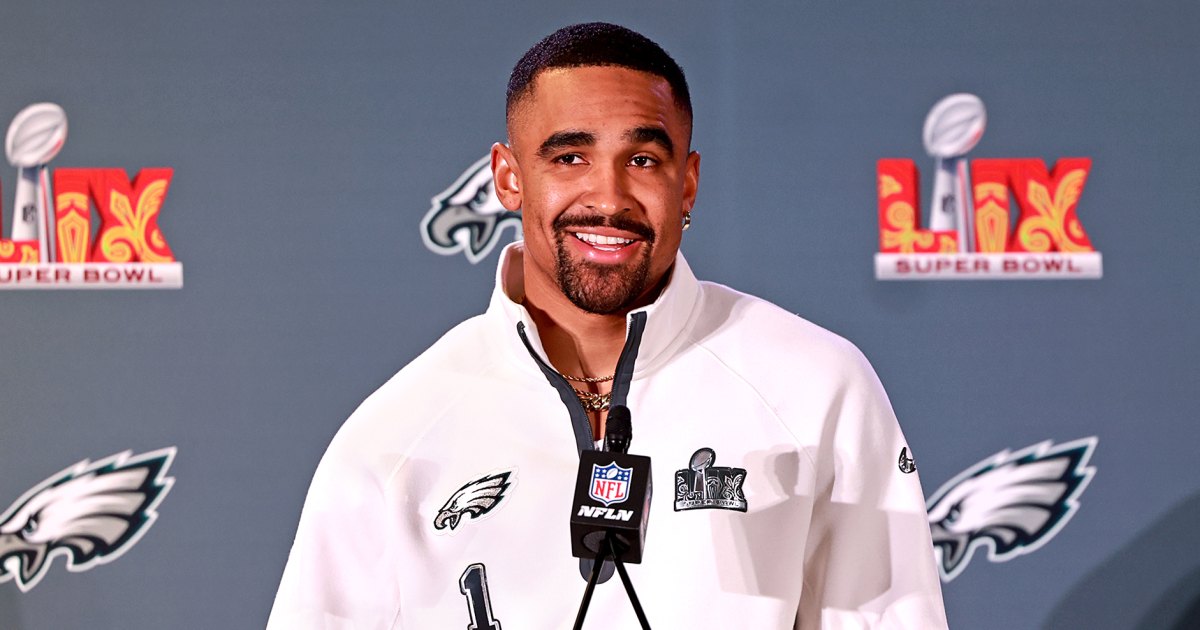
Jalen Hurts Reflects on the Unique Challenges of Being a Black Quarterback in the NFL
In the world of professional football, the role of a quarterback is often seen as the pinnacle of athletic achievement. However, for Jalen Hurts, the Philadelphia Eagles quarterback, this role comes with a unique set of challenges, particularly as a Black athlete in a predominantly white league. In a recent candid discussion, Hurts opened up about the complexities, pressures, and societal expectations he faces, shedding light on the broader issues of race and representation in professional sports. His insights not only reflect his personal journey but also echo the experiences of many Black quarterbacks in the NFL.
The Historical Context of Black Quarterbacks
The history of Black quarterbacks in the NFL has been fraught with challenges and stereotypes. For decades, the position was dominated by white players, leading to a perception that Black athletes were less capable of executing the cerebral aspects of the game. This notion was not only erroneous but detrimental, as it marginalized the talents of countless Black players. Over time, however, the landscape has shifted. Pioneers like Doug Williams and Warren Moon broke barriers, leading the way for future generations.
Today, Black quarterbacks like Patrick Mahomes, Lamar Jackson, and Jalen Hurts are changing the narrative. Yet, Hurts recognizes that while progress has been made, significant challenges remain. “There’s still a lot of work to do,” he notes. “It’s about breaking down barriers and showing that we belong in these roles.”
The Pressure to Perform
As a starting quarterback, the pressure to perform is immense for any player. However, for Black quarterbacks, this pressure can be amplified due to the weight of expectations placed upon them. Hurts understands that his performance is not just a reflection of his skills but also of his identity. “Every game I play, I feel like I’m representing more than just myself,” he explains. “There’s a whole community watching, hoping that I succeed.”
- Expectations: The expectation to excel is not merely personal; it’s cultural. Hurts feels the need to elevate not only his game but also the perception of Black quarterbacks as a whole.
- Media Scrutiny: The media often scrutinizes Black quarterbacks more intensely, focusing on their mistakes rather than their successes. Hurts points out, “It’s a double-edged sword. You have to be perfect, but perfection is an impossible standard.”
Identity and Representation
For Jalen Hurts, being a Black quarterback means carrying a sense of identity that transcends the football field. He recognizes the importance of representation, both for young athletes and for the broader community. “It’s crucial for kids to see someone who looks like them in positions of power and influence,” he states. “I want to inspire the next generation.”
Representation in sports can lead to greater opportunities and aspirations among young athletes. Hurts often reflects on the profound impact that successful Black athletes had on his own journey. “I grew up watching guys like Michael Vick and Russell Wilson,” he recalls. “They showed me that it was possible to achieve greatness, no matter the obstacles.”
The Intersection of Race and Sports Culture
Hurts’ reflections also touch upon the broader cultural dynamics at play within the NFL. The league has made strides in promoting diversity and inclusion, but Hurts believes there is still much to be done. “We need to have more conversations about race and how it affects the game,” he urges. “It’s not just about hiring more coaches or staff; it’s about creating an environment where everyone feels valued.”
- Mentorship: Hurts emphasizes the importance of mentorship programs that connect young Black athletes with established figures in the sport.
- Community Engagement: Engaging with the community and using his platform to address social issues is something Hurts is passionate about. “I want to be a voice for change,” he asserts.
Personal Experiences and Growth
Throughout his career, Jalen Hurts has faced adversity, including setbacks and criticisms. Each challenge has contributed to his growth as both a player and an individual. “I’ve learned to embrace my journey, the ups and downs,” he reflects. “Every experience shapes you. It’s about resilience.”
His time at Alabama and Oklahoma provided him with invaluable lessons, but it was the challenges he faced in transitioning to the NFL that truly tested his character. “I had to prove myself at every level,” Hurts admits. “And that’s the reality for a lot of Black quarterbacks.”
Looking Forward: A Message of Hope
Despite the challenges, Hurts remains optimistic about the future. He believes that the NFL is gradually becoming more inclusive and that the next generation of athletes will benefit from the strides being made today. “I see a lot of young Black quarterbacks coming up, and that gives me hope,” he says with a smile.
His message to aspiring athletes is clear: “Keep pushing, keep striving for greatness. Your skin color doesn’t define your abilities. It’s about hard work, dedication, and the courage to be yourself.”
Conclusion
Jalen Hurts’ reflections on the unique challenges of being a Black quarterback in the NFL provide a powerful lens through which to view the complexities of race and representation in professional sports. As he continues to break barriers and inspire others, his journey serves as a reminder of the ongoing fight for equality and recognition in all areas of life. By sharing his experiences, Hurts is not only paving the way for future generations but also challenging the status quo, proving that diversity in sports enriches the game for everyone.
See more Highlights Daily


