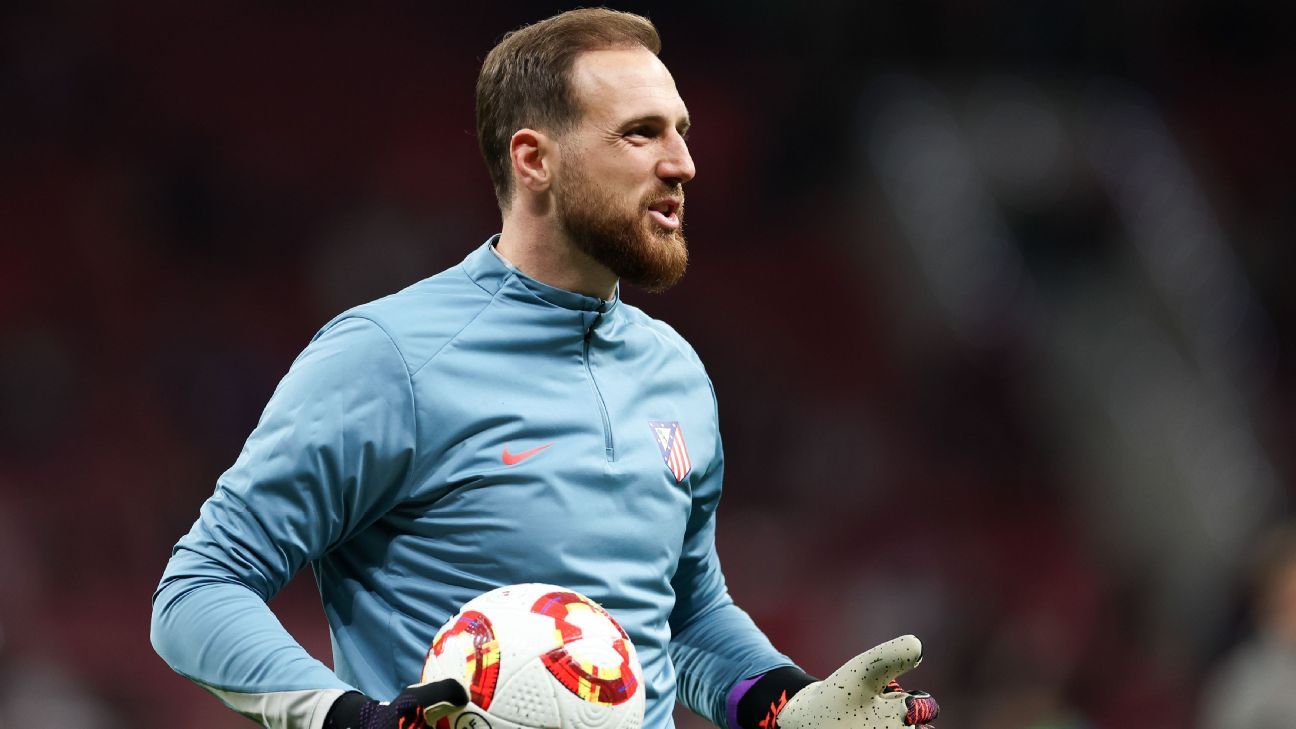
Jan Oblak Speaks Out: A Call for Respect Towards Match Officials
In recent times, the beautiful game has been marred by escalating tensions surrounding officiating, particularly highlighted by complaints from top teams like Real Madrid. At the center of this discussion, Atlético Madrid’s goalkeeper, Jan Oblak, has stepped forward with a crucial message: it’s time to show greater respect towards match officials. His bold statement not only addresses a pressing issue in football but also emphasizes the essence of sportsmanship that should prevail in the sport.
The Context of Complaints Against Officials
Football, like any competitive sport, thrives on passion and emotion. However, it is this very fervor that sometimes leads clubs and fans to voice their dissatisfaction with refereeing decisions. Real Madrid, a club with a storied history and immense pressure to perform, has been vocal about certain officiating decisions that they believe have adversely affected their matches. Such grievances are not uncommon in football; they arise whenever the stakes are high.
Oblak’s remarks come at a time when the football community is increasingly polarized over officiating. The introduction of VAR (Video Assistant Referee) was meant to alleviate some of these issues, but instead, it has often sparked further debate. Critics argue that VAR has complicated the decision-making process rather than simplifying it. In light of this, Oblak’s call for respect towards referees is particularly poignant.
Jan Oblak’s Perspective on Respect for Match Officials
Jan Oblak, known for his professionalism and commitment to the game, expressed his thoughts on the matter during a recent press conference. He stated, “Referees have a tough job to do. They’re human, and like all of us, they can make mistakes. Instead of criticizing them at every opportunity, we should respect their decisions and recognize the challenging environment they operate in.”
This statement resonates deeply in a sport where players, coaches, and fans often forget the humanity behind the whistle. Oblak’s emphasis on mutual respect advocates for a culture where players and officials can coexist without the animosity that has become all too common.
The Importance of Sportsmanship in Football
The fundamental principle of sportsmanship advocates for respect, fairness, and responsibility on the field. Oblak’s call to respect match officials aligns perfectly with these values. Sportsmanship is not just about how players interact with each other; it extends to how they engage with referees and the broader community of the sport.
- Respecting the Referee’s Authority: Referees are the enforcers of the rules, and their decisions must be acknowledged, regardless of personal opinions.
- Fostering a Positive Atmosphere: When respect is emphasized, it encourages a more positive environment for all participants, including fans, players, and officials.
- Encouraging Accountability: If players hold themselves accountable for their actions, they should also extend that accountability to referees, recognizing that they are part of the game.
Implications of Oblak’s Statement
Oblak’s remarks could have significant implications for how teams and fans approach officiating in football. By advocating for respect, he sets a precedent that could inspire others in the sport to follow suit. Here are a few potential outcomes of his call for respect:
- Reduction in Hostility: If players adopt a more respectful approach towards referees, it could lead to a decrease in hostility on the pitch and in the stands.
- Better Decision-Making: Referees might feel more empowered to make decisions without fear of backlash, knowing that their authority is respected.
- Enhanced Reputation of Officials: A respectful environment could lead to a more favorable perception of referees, which is crucial for the integrity of the sport.
Comparative Perspectives: Other Sports and Referee Treatment
Looking beyond football, it is interesting to see how other sports manage their officiating and the respect shown towards referees. In sports like basketball and rugby, players are often seen engaging with referees in a more constructive manner. For instance, in basketball, players are generally expected to address referees with respect, and there are strict penalties for unsportsmanlike conduct.
This comparative analysis raises the question: why is football often more contentious when it comes to officiating? The answer may lie in the sport’s immense global following and the pressure that comes with it. However, Oblak’s plea serves as a reminder that respect should transcend the pressures of competition.
Moving Forward: Creating a Culture of Respect
To foster a culture of respect towards match officials, several steps can be taken:
- Education: Clubs should engage in educational programs that teach players about the importance of respect towards referees and the role they play in the game.
- Support from Governing Bodies: Football associations and governing bodies should implement stricter penalties for abuse directed at referees, sending a clear message that disrespect will not be tolerated.
- Encouraging Positive Role Models: Players like Jan Oblak can serve as role models, promoting a respectful attitude towards match officials.
Conclusion: A Unified Call for Respect
Jan Oblak’s powerful statement serves as a timely reminder of the importance of respect in football. As the sport continues to grapple with the complexities of officiating, it is crucial for players, teams, and fans to embrace a culture of respect towards match officials. By doing so, the football community can enhance the integrity of the game and ensure that the focus remains on the sport itself, rather than on controversies surrounding officiating.
Ultimately, Oblak’s call to action is a step towards a more harmonious football environment where respect reigns supreme, allowing the beautiful game to flourish in its truest form.
See more Highlights Daily


