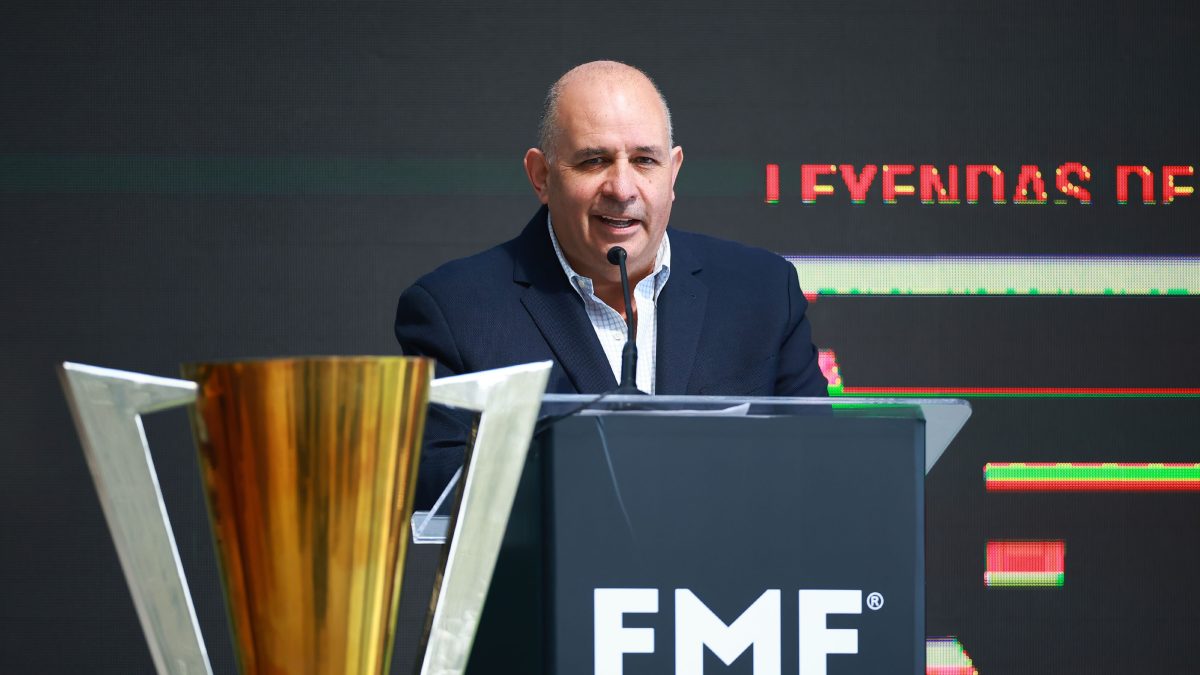
The Quiet Exit of Juan Carlos Rodríguez: Implications for Mexican Football
Juan Carlos Rodríguez’s recent departure from the Mexican Football Federation (FMF) has sent shockwaves through the football community, prompting discussions about the future trajectory of the sport in Mexico. Rodríguez, who played a significant role in shaping the administration of Mexican football, left behind a legacy marked by both achievements and controversies. His exit, described as a “bombshell” by sports analysts, opens the door to potential shifts in leadership and strategy, which could have profound implications for the future of the national teams, club football, and the overall structure of the sport in Mexico.
Understanding the Context of Rodríguez’s Departure
Juan Carlos Rodríguez’s tenure as the head of the FMF was a complex one. Appointed in 2018, he faced a myriad of challenges, including navigating the turbulent waters of the COVID-19 pandemic, which disrupted the sports world globally, and managing the expectations of a passionate fanbase eager for international success. Under his leadership, the Mexican national team aimed to build on its rich footballing heritage, but the results on the pitch have often fallen short of the lofty aspirations set by supporters and stakeholders alike.
Rodríguez’s exit comes at a time when Mexican football is at a crossroads. With the looming 2026 FIFA World Cup—set to be co-hosted by the United States, Canada, and Mexico—there is heightened urgency for the FMF to align its strategies to ensure that the national team is competitive on the world stage. Rodríguez’s departure raises important questions about who will fill the leadership void and what new direction the federation will take.
Potential Leadership Changes and Their Implications
The leadership transition within the FMF could herald significant changes in the organization’s approach to development, marketing, and international relations. Possible candidates to succeed Rodríguez include seasoned professionals within the sport, former players, or even international figures who could bring fresh perspectives. Each potential successor will bring different philosophies and priorities, impacting:
- Player Development: A focus on nurturing homegrown talent through academies and youth programs could be prioritized.
- Coaching Strategy: The new leadership may choose to hire a coaching staff that emphasizes a different tactical approach, potentially leading to a shift in playing style.
- Fan Engagement: Enhancing the connection between the federation and fans through better communication and transparency about decision-making processes.
The Role of the Mexican National Team in International Competitions
The Mexican national team has long been a source of pride for the nation, consistently qualifying for the FIFA World Cup since 1994. However, the team’s performance has often been criticized for failing to advance beyond the Round of 16. As the FMF prepares for the next World Cup, the new leadership will need to address key issues:
- Talent Identification: There is a pressing need to scout and develop talent from diverse regions in Mexico, ensuring that the best players are given opportunities.
- Fitness and Conditioning: With the physical demands of international football, improving player fitness programs could enhance performance.
- Psychological Preparedness: Addressing the mental aspects of competing at the highest levels is crucial for overcoming historical performance bottlenecks.
Domestic Football: Challenges and Opportunities
The implications of Rodríguez’s exit extend beyond the national team, impacting club football across Mexico. Liga MX, the premier professional football league in Mexico, has seen significant investment and growth over the past decade. However, it faces challenges that new leadership must navigate:
- Financial Sustainability: Ensuring that clubs operate within their means while still competing effectively on the pitch is crucial for long-term success.
- Globalization: As Liga MX seeks to attract international talent and partnerships, it will need to adapt to global trends while maintaining its unique identity.
- Fan Experience: Enhancing matchday experiences and leveraging technology to engage fans can help grow the sport’s popularity both locally and internationally.
Broader Implications for Mexican Football
Rodríguez’s departure could also influence the broader football landscape in Mexico. The FMF’s strategic decisions impact various stakeholders, including:
- Women’s Football: With growing interest and investment in women’s leagues, the new leadership will need to prioritize gender equity in resources and opportunities.
- Grassroots Initiatives: Developing grassroots programs can help cultivate young talent, ensuring a bright future for Mexican football.
- International Relations: Strengthening ties with other football federations can open doors for friendly matches and joint training programs, enhancing the national team’s competitiveness.
Conclusion: A Pivotal Moment for the Future of Mexican Football
Juan Carlos Rodríguez’s exit from the FMF marks a significant turning point for Mexican football. As the federation braces for a leadership transition, there is a unique opportunity to reassess and realign strategies for player development, competitive performance, and fan engagement. The decisions made in the coming weeks and months will shape the landscape of Mexican football for years to come, impacting not only the national teams but also the domestic leagues and grassroots programs.
As stakeholders reflect on the past and envision the future, one thing is certain: the path forward will require a collaborative effort that embraces innovation, inclusivity, and a relentless pursuit of excellence. Mexican football stands at a crucial juncture, and the choices made now will echo through the generations.
See more Highlights Daily


