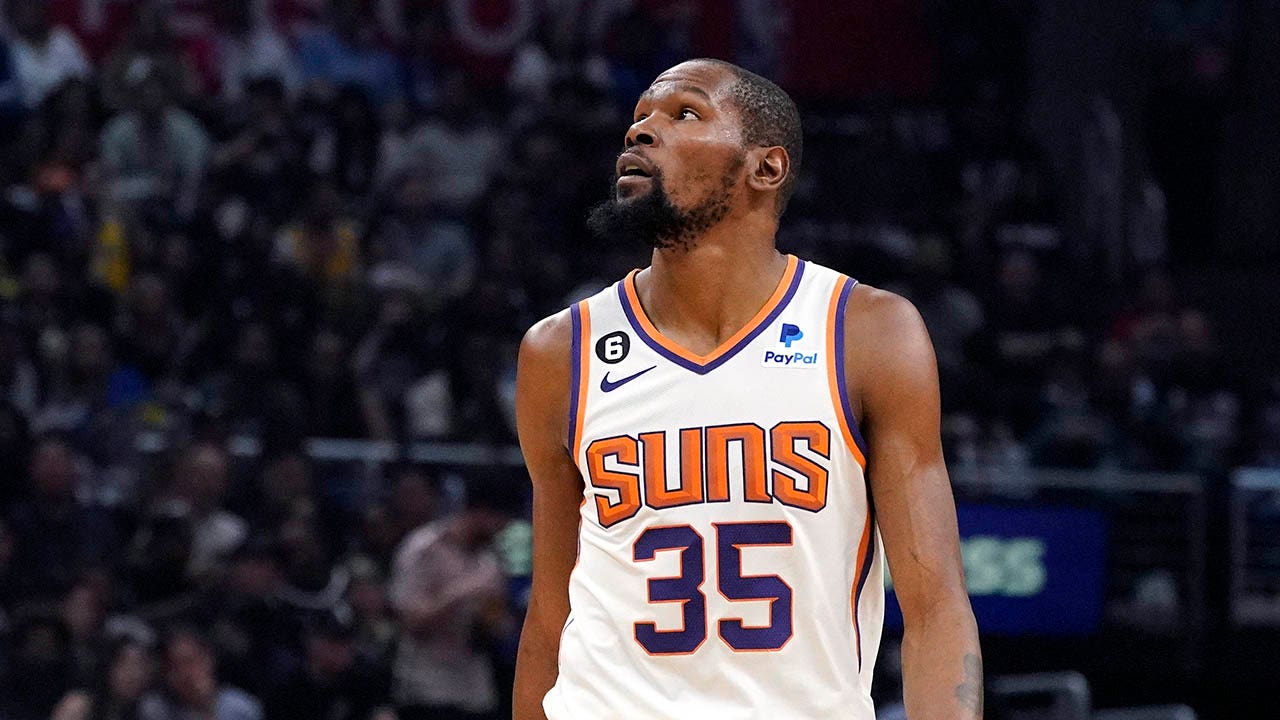
Kevin Durant Challenges NBA Loyalty Standards: Are Players Held to a Different Bar?
In a recent discussion that has stirred the pot in the world of basketball, Kevin Durant has brought to light the often-unequal expectations of loyalty within the NBA. He argues that while players are scrutinized for their decisions, teams often act without the same level of accountability. This commentary not only highlights a significant disparity but also opens up a broader conversation about loyalty in professional sports. Are players held to a different bar when it comes to loyalty, and what are the implications of this for athletes and franchises alike?
The Nature of Loyalty in Professional Sports
Loyalty, in the context of professional sports, is a multifaceted concept. It encompasses commitments made by players to their teams, as well as the expectations placed upon them by fans, media, and even the organizations themselves. Traditionally, athletes are celebrated for their loyalty to one franchise, often leading to a narrative of heroism and dedication. However, this narrative is complicated when considering the actions of the teams themselves.
- Players: Expected to stay with a team for the long haul, endure losses, and invest emotionally and physically.
- Teams: Often seen as businesses first, making decisions based on profit margins, player performance, and marketability.
This contrast raises important questions: Why are players expected to remain loyal while teams frequently make changes without concern for the individuals involved? Durant’s comments shine a light on these contradictions, suggesting that the loyalty bar is indeed set differently for players versus teams.
Kevin Durant’s Perspective
Kevin Durant, a two-time NBA champion and one of the most prolific scorers in the league’s history, has found himself at the center of loyalty debates throughout his career. His moves from Oklahoma City to Golden State, and then from Golden State to Brooklyn, have drawn both ire and admiration. In his recent statements, Durant emphasized that while players face backlash for seeking better opportunities, teams routinely trade players without a second thought.
Durant pointed out that players often bear the brunt of the blame when they leave for greener pastures, but teams are rarely held accountable for their own decisions. This double standard has significant implications for how players make career choices, potentially leading them to prioritize their own professional interests rather than adhering to notions of loyalty.
The Business of Basketball
Understanding the NBA as a business is crucial in this discussion. Teams operate under financial pressures, constantly evaluating player performance, potential trades, and salary caps. The reality is that franchises often make decisions that prioritize their bottom line over sentimental attachments to players. This creates a culture where loyalty is not reciprocated.
For example, consider the following:
- Player Trades: Teams can trade players with little warning, often citing performance metrics or financial motivations.
- Contract Negotiations: Players may be cut from rosters despite their contributions, as teams look to reshape their lineup.
- Free Agency: When a player enters free agency, they are often criticized for exploring other options, even if the team has shown no commitment to keep them.
This business-first mentality can lead to a feeling of disposability among players, contributing to the notion that they are held to a different standard of loyalty.
Fan Expectations and Media Influence
Another layer to this complex issue is the role of fans and media in shaping loyalty narratives. Fans often idolize players who stay with a team for a long period, creating a perception that loyalty is synonymous with success and integrity. When a player chooses to leave, whether for personal or professional reasons, public opinion can swiftly turn against them.
The media amplifies this scrutiny, often portraying players as traitors or mercenaries when they switch teams. This narrative can overshadow the legitimate career aspirations and personal circumstances that motivate these decisions. As Durant highlighted, the same level of scrutiny is rarely applied to teams making similar moves.
The Psychological Impact on Players
Living under the pressure of loyalty expectations can have profound psychological effects on players. The constant fear of judgment can lead to stress and anxiety, potentially impacting their performance on the court. Moreover, the need to conform to loyalty standards can compel players to stay in environments that may not be conducive to their growth or happiness.
Durant’s insights reveal a need for a cultural shift within the NBA—one that acknowledges the complexities of player decisions and recognizes the business realities of the sport. By fostering an environment where players feel empowered to make choices without fear of backlash, the league can promote healthier dynamics between athletes and franchises.
Building a New Framework for Loyalty
As the conversation around loyalty evolves, it’s essential for the NBA to consider establishing a more balanced framework. This could involve:
- Transparent Communication: Encouraging open dialogue between players and management to foster understanding and mutual respect.
- Supporting Player Mobility: Recognizing that player movement can be beneficial for both parties, allowing for personal and professional growth.
- Redefining Loyalty: Shifting the narrative to include loyalty to one’s career and well-being, rather than solely to a franchise.
By adopting these strategies, the NBA can create a more equitable landscape for players, where loyalty is a two-way street, rather than a one-sided expectation.
Conclusion: Rethinking Loyalty in the NBA
Kevin Durant’s challenge to the NBA loyalty standards is a necessary dialogue that highlights the discrepancies in how loyalty is perceived and valued. As the league continues to evolve, it must address these disparities and create an environment where both players and teams can navigate their paths with mutual respect and understanding.
Ultimately, the future of loyalty in the NBA may not solely depend on the players’ choices but also on how teams choose to engage with their athletes. As we rethink what loyalty means in professional sports, we may find that a more balanced approach benefits everyone involved—from the players who dedicate their lives to the game, to the fans who cheer them on.
See more Highlights Daily


