Examining the Leadership Void in the Mexican National Soccer Team
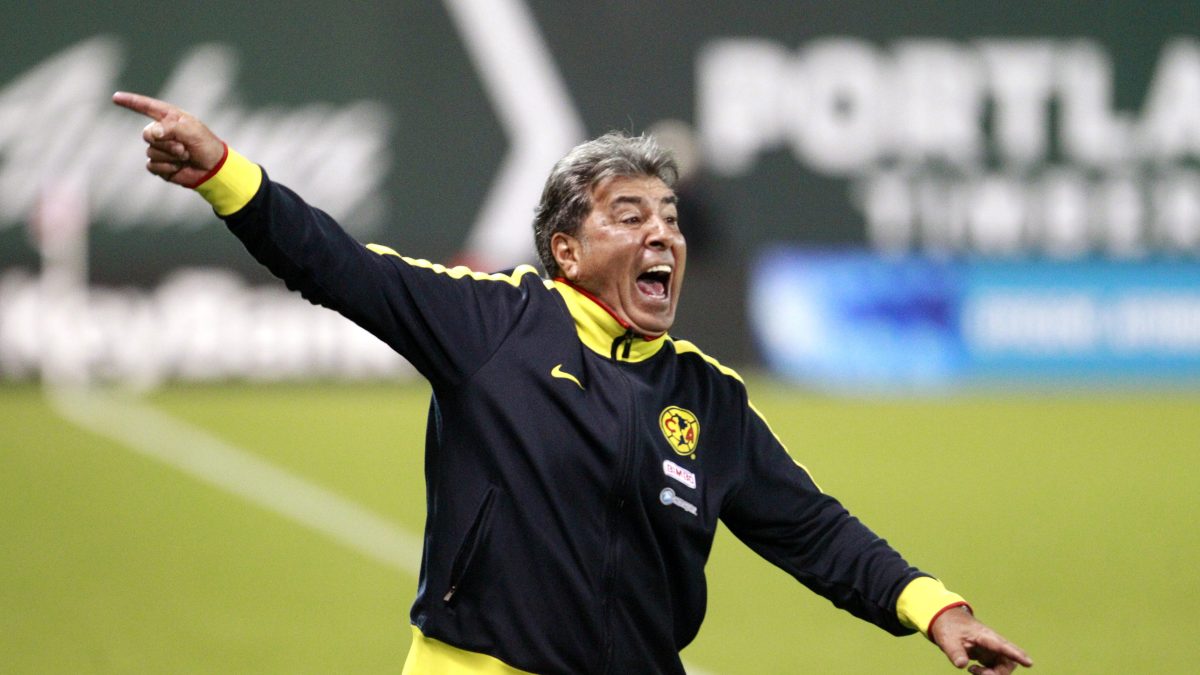
The Mexican National Soccer Team, a staple in the world of football, has long been a source of pride for its supporters. However, recent performances have left fans and analysts alike questioning the team’s cohesion and effectiveness on the field. Veteran player Carlos Reinoso has raised a critical point regarding the apparent lack of strong leadership within the squad. This discussion aims to delve into the implications of this leadership void and its profound impact on the team’s performance.
The Current State of the Mexican National Team
As the Mexican National Soccer Team prepares for major tournaments, including World Cup qualifiers and friendly matches, the pressure to perform has never been higher. Yet, the team has struggled with consistency, often falling short in pivotal moments. This inconsistency raises questions about whether the players have the necessary guidance and motivation to succeed.
Veteran players like Reinoso, who have experienced the highs and lows of international competition, emphasize that leadership extends beyond the coaching staff. The absence of a unifying figure on the field can lead to disarray, particularly when matches become tense. During crucial moments, players need a leader to rally them and instill a sense of confidence. The current squad appears to lack that figure, which is a significant concern.
The Importance of Leadership in Sports
Leadership in sports is not merely about wearing the captain’s armband; it involves influencing teammates, setting an example, and providing direction under pressure. In soccer, a leader can be the difference between victory and defeat. They help maintain morale, focus, and a strategic mindset during matches. When a team lacks a strong leader, it can lead to:
- Increased Frustration: Players may become disheartened or lose focus when they feel directionless.
- Poor Communication: Without leadership, on-field communication can falter, leading to misunderstandings and mistakes.
- Loss of Identity: A team without a clear leader may struggle to define its style of play and overall mission.
Reinoso’s Insights on Leadership
Reinoso’s comments resonate with many who have followed the Mexican national team closely. He highlights that the current roster includes talented players, yet the absence of a natural leader diminishes their potential. The players, while skilled, may lack the assertiveness and confidence needed to elevate their game when it matters most.
It’s crucial to recognize that leadership can manifest in different forms. While some players may exhibit vocal leadership, others might lead by example through their work ethic and commitment. The Mexican team seems to be missing both types. The ability to inspire others and drive performance is essential, especially in a high-stakes environment like international soccer.
Historical Context: Leadership in Mexican Soccer
Historically, the Mexican National Soccer Team has been home to strong leaders who have left an indelible mark on the sport. Figures such as Cuauhtémoc Blanco and Rafael Márquez exemplified what it meant to lead both on and off the pitch. Their influence extended beyond strategies; they embodied the spirit of Mexican soccer, rallying teammates and fans alike.
Comparatively, the current squad appears to lack such iconic leadership. While players like Andrés Guardado and Guillermo Ochoa have extensive experience, their leadership styles may not resonate with younger teammates as effectively as past legends did. This generational shift highlights the need for emerging players to step up and embrace leadership roles.
Implications of the Leadership Void
The implications of a leadership void are far-reaching. On-field performance may suffer, but the effects can also trickle down into off-field dynamics. Team morale may dip, affecting training sessions and overall team cohesion. Moreover, the perception of the team among fans can shift negatively, leading to a lack of support during crucial matches.
As the team prepares for upcoming competitions, addressing the leadership gap should be a priority. It’s essential for coaches and management to identify potential leaders within the squad and foster their growth. This can be achieved through mentorship, empowering younger players to take charge, and creating an environment where leadership is encouraged and celebrated.
Potential Solutions to Foster Leadership
To remedy the leadership issues plaguing the Mexican National Team, several strategies can be implemented:
- Mentorship Programs: Pairing younger players with seasoned veterans can help cultivate leadership skills and instill confidence.
- Encouraging Open Communication: Creating a culture where players feel comfortable expressing their thoughts and ideas can improve team dynamics.
- Leadership Workshops: Providing training on leadership skills can help players understand the importance of their role within the team.
- Defining Roles Clearly: Ensuring that each player understands their responsibilities can help in creating a more cohesive unit.
Looking Ahead: A Hopeful Future for Mexican Soccer
While the challenges facing the Mexican National Soccer Team are significant, addressing the leadership void presents an opportunity for growth. By recognizing and tackling these issues head-on, the team can work towards establishing a new era of strong leadership.
As fans, we remain hopeful that the players will rise to the occasion, channeling their passion and skills into the pursuit of excellence. With a renewed focus on leadership, the Mexican National Team can not only improve its performance but also reinforce its identity within the world of soccer.
In conclusion, the leadership void in the Mexican National Soccer Team is a pressing concern that, if addressed, could lead to greater success on the international stage. By fostering leadership and unity, the team can overcome its current challenges and reclaim its status as a formidable force in soccer.
See more Highlights Daily


