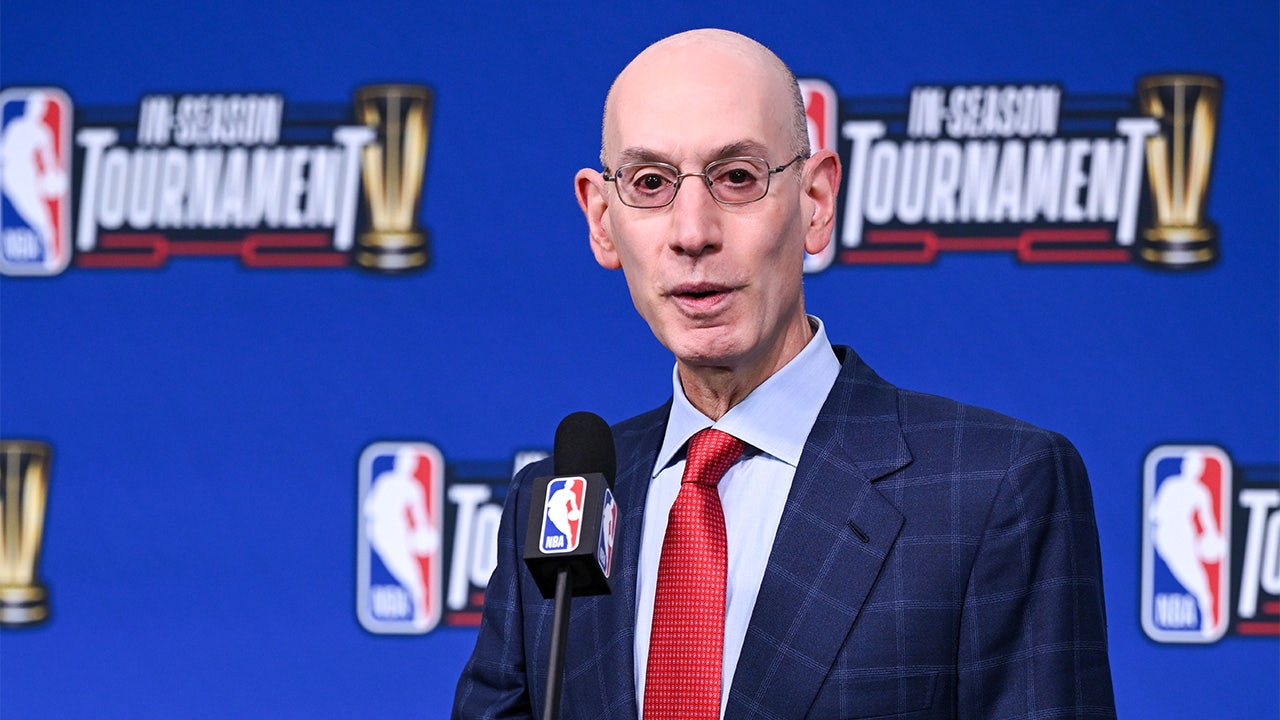
NBA Commissioner Adam Silver Advocates for Revolutionary Quarter Format
In a groundbreaking proposal that has captured the attention of basketball enthusiasts worldwide, NBA Commissioner Adam Silver has expressed strong support for transitioning to a revolutionary quarter format. This new format would consist of four quarters, each lasting 10 minutes, a significant shift from the traditional 12-minute quarters currently in play. This initiative aims to enhance the pace and excitement of the game, potentially reshaping the future of basketball.
The Rationale Behind the Change
Adam Silver’s advocacy for this change stems from a desire to improve the overall viewing experience for fans and to adapt to the evolving landscape of sports entertainment. In recent years, the pace of play in the NBA has drawn scrutiny, with some analysts arguing that the game can become sluggish, especially in the later stages. By shortening the quarters, the NBA hopes to increase scoring opportunities and maintain a high level of excitement throughout the game.
Silver has remarked, “Basketball is a fast-paced sport, and we want to ensure that our fans experience the thrill of the game from start to finish.” The proposed format aims to keep players engaged and energized, allowing for a more dynamic style of play that could captivate both in-arena audiences and television viewers alike.
Potential Benefits of the New Format
- Increased Scoring: Shorter quarters could lead to more possessions per game, which might translate into higher scores. This could enhance the entertainment value and keep fans on the edge of their seats.
- Improved Pacing: With a focus on maintaining momentum, games could become less prone to lulls that sometimes occur during longer quarters, particularly in the second half.
- Player Health: Shorter quarters may reduce player fatigue, potentially leading to fewer injuries. This could extend players’ careers and maintain a higher level of performance throughout the season.
- Excitement in Clutch Moments: With games being shorter, every possession becomes more critical. This could heighten drama in the closing moments, as teams scramble to capitalize on limited opportunities.
Opposition and Concerns
While the proposal has gained traction, it has not been without its critics. Opponents of the format change argue that the traditional 12-minute quarter system has been a staple of the NBA for decades. They express concerns that altering the game’s structure could diminish the significance of certain moments, particularly in close games where strategy plays a crucial role.
Additionally, some analysts believe that a reduction in game time might impact revenue generated through advertising and broadcast rights, as fewer minutes could lead to fewer commercial breaks. It’s a delicate balance between enhancing the game and maintaining financial viability.
Fan Reactions and Debate
The basketball community is divided regarding this proposal. Some fans are excited about the prospect of a faster-paced game, while others are more cautious, wanting to preserve the traditions that make the NBA unique. Social media platforms have become arenas for discussion, with hashtags like #ShorterQuarters trending as fans share their opinions.
Supporters of the change argue that the NBA should evolve with the times, reflecting the fast-paced nature of modern entertainment. Critics, on the other hand, lament the potential loss of historical context and the intricate strategies that unfold over longer periods of play.
Historical Context of the Game
The NBA has a rich history, and changes to its format have often sparked debate. The introduction of the three-point line in the 1979-80 season, for example, transformed the way basketball was played, leading to a more perimeter-oriented game. Similarly, the shot clock was implemented to speed up play in the 1954-55 season, a move that has become fundamental to the modern game.
Silver’s proposal could be viewed in this light, as part of the ongoing evolution of basketball. However, many fans and analysts are keen to remember the traditions that have shaped the game, and any change would need to be carefully considered.
Next Steps for the NBA
As discussions continue, Silver has indicated that the league will engage with players, coaches, and team owners to gauge support for the proposed quarter format. Feedback from stakeholders will be crucial in determining whether this bold move will be implemented.
Additionally, the NBA may consider testing this new format in the G League or during summer league games to assess its impact on gameplay and fan engagement. Such pilot programs could provide valuable insights into the viability of the proposed changes.
Conclusion: A New Era for Basketball?
As NBA Commissioner Adam Silver champions the idea of a revolutionary quarter format, the basketball world stands at a crossroads. The potential benefits of increased pace, heightened excitement, and improved player health present a compelling case for change. However, the concerns regarding tradition, strategy, and financial implications cannot be overlooked.
Ultimately, the decision will rest on the voices of players, coaches, and fans alike. The NBA has always been a league that embraces innovation while respecting its roots. As this debate continues, one thing is certain: the future of basketball could be on the brink of a significant transformation, and whether fans will welcome this change remains to be seen.
See more Highlights Daily


