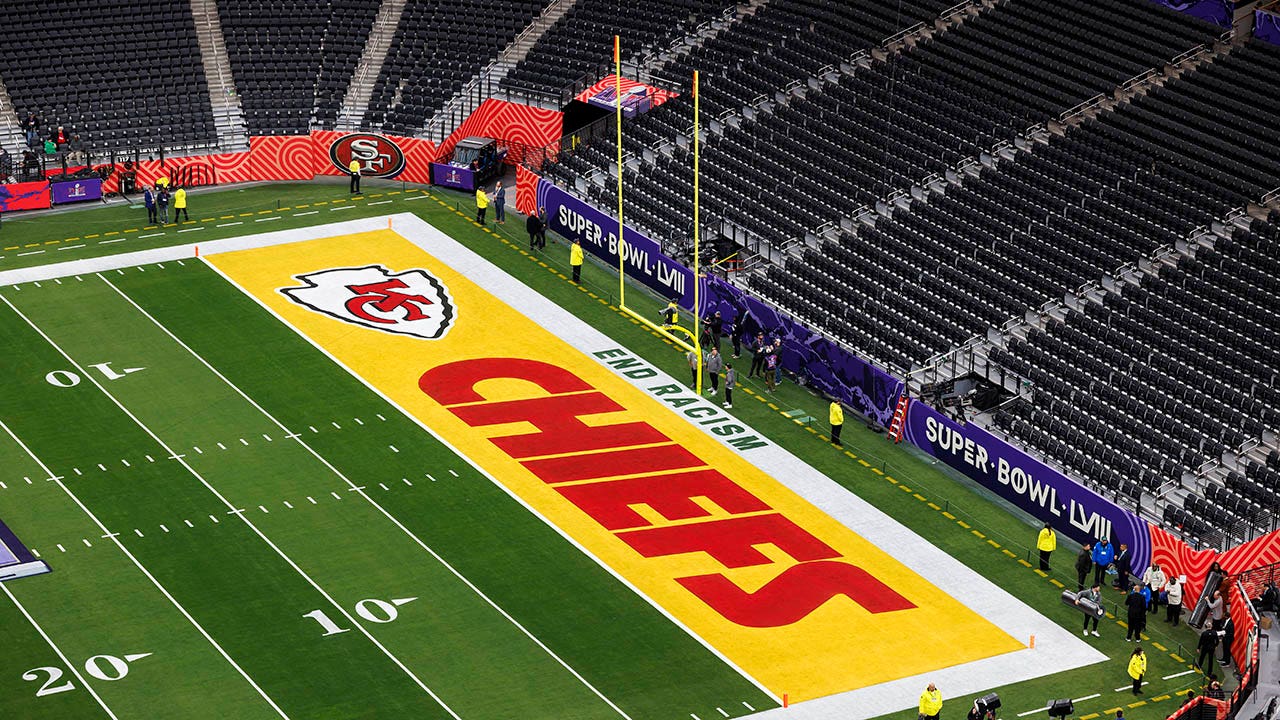
NFL to Eliminate ‘End Racism’ Messaging from Super Bowl LIX End Zones
The NFL has made headlines recently with its decision to remove the ‘End Racism’ slogan from the end zones for Super Bowl LIX. This announcement has sparked a wide array of reactions from fans, players, and advocates of social justice. The move raises pressing questions about the league’s ongoing commitment to addressing systemic racism and promoting equity within its ranks and among its vast audience.
The Background of ‘End Racism’ Messaging
Introduced in 2020 amidst a global reckoning on racial justice, the ‘End Racism’ message was part of the NFL’s broader initiative to confront issues of inequality and injustice. The league faced significant scrutiny for its past handling of player protests against racial injustice, particularly those led by former quarterback Colin Kaepernick. In response, the NFL pledged to be more proactive in its support for social justice causes, which included the introduction of various slogans and initiatives aimed at fostering dialogue and awareness.
With the backdrop of social movements like Black Lives Matter, the NFL sought to show solidarity with its players and the communities they represent. The decision to incorporate the ‘End Racism’ slogan into the end zones was seen as a bold statement of intent—one that acknowledged the league’s historical missteps and aimed to create a more inclusive environment.
Why the Change Now?
The decision to eliminate the ‘End Racism’ slogan from the Super Bowl LIX end zones has left many questioning the timing and reasoning behind it. The NFL has stated that it wants to focus on celebrating the game and the players rather than political statements. This rationale has been met with skepticism, particularly from those who believe that social justice initiatives are integral to the sport’s evolution and relevance.
Some analysts suggest that the removal could stem from a desire to appeal to a broader fan base, which may include individuals who feel alienated by overt political messaging during sporting events. The NFL’s view seems to reflect a balancing act—trying to engage with social issues while not alienating segments of its audience who prefer to keep politics out of sports.
The Impact on Players and Fans
For many players, the NFL’s decision to eliminate the ‘End Racism’ messaging has implications that extend beyond the playing field. Numerous athletes have been vocal advocates for social justice, using their platforms to speak out against racial inequality. Removing such messages from high-profile events like the Super Bowl may hinder their efforts to raise awareness and engage fans in critical conversations surrounding racism.
- Player Reactions: The response from players has been mixed. Some endorse the NFL’s decision, believing that it allows for a more focused celebration of sport. Others feel that it undermines the progress made over the past few years and diminishes the urgency of addressing racial issues.
- Fan Sentiment: Fans are also divided. While some appreciate a return to a more traditional game experience, others express disappointment, seeing the removal as a retreat from the league’s responsibility to address social issues.
Broader Implications for the NFL’s Social Justice Initiatives
The NFL’s decision could have far-reaching implications for its social justice initiatives. Critics argue that eliminating the ‘End Racism’ slogan may signal a withdrawal from the league’s commitment to meaningful change. This step back could affect partnerships with organizations dedicated to social justice and could also influence the league’s public image, potentially leading to decreased trust among players and fans.
Moreover, the NFL’s relationship with its sponsors might be affected. Many brands are increasingly aligning themselves with social justice causes, and a perceived lack of commitment from the league could lead to reconsiderations in partnership strategies. The economic ramifications of this decision could unfold in various ways, impacting everything from advertising dollars to merchandise sales.
Alternatives for Social Justice Messaging
As the NFL navigates this controversial decision, there are alternative pathways it could consider for promoting social justice without the end zone messaging. Some potential strategies include:
- Community Engagement: Reinvigorating community outreach programs that directly address issues of racial inequity and support local initiatives could serve as a powerful alternative to slogan-driven messaging.
- Player-Led Initiatives: Empowering players to lead social justice initiatives can create a more organic and authentic approach to advocacy. Allowing athletes to share their stories and initiatives through various platforms can resonate more deeply with fans.
- Charity Collaborations: Partnering with nonprofits dedicated to racial justice and equity could reinforce the league’s commitment to these causes through tangible actions rather than slogans.
Looking Ahead: The Future of Social Justice in the NFL
The decision to eliminate the ‘End Racism’ messaging from the Super Bowl LIX end zones is a pivotal moment for the NFL, one that could set the tone for future initiatives. As the league prepares for this significant event, it must remain mindful of its responsibilities—not just to its fans and players but to society at large.
In a landscape where social justice remains a critical issue, the NFL has the opportunity to lead by example. By exploring innovative methods to engage with these topics, the league can continue to be a platform for change while also celebrating the sport that millions love.
Ultimately, the path forward for the NFL is not merely about removing or keeping slogans; it’s about fostering an environment where all players, fans, and communities feel valued and heard. The conversation surrounding race and equality is far from over, and how the NFL chooses to engage with it will undoubtedly shape its legacy for years to come.
See more Highlights Daily


