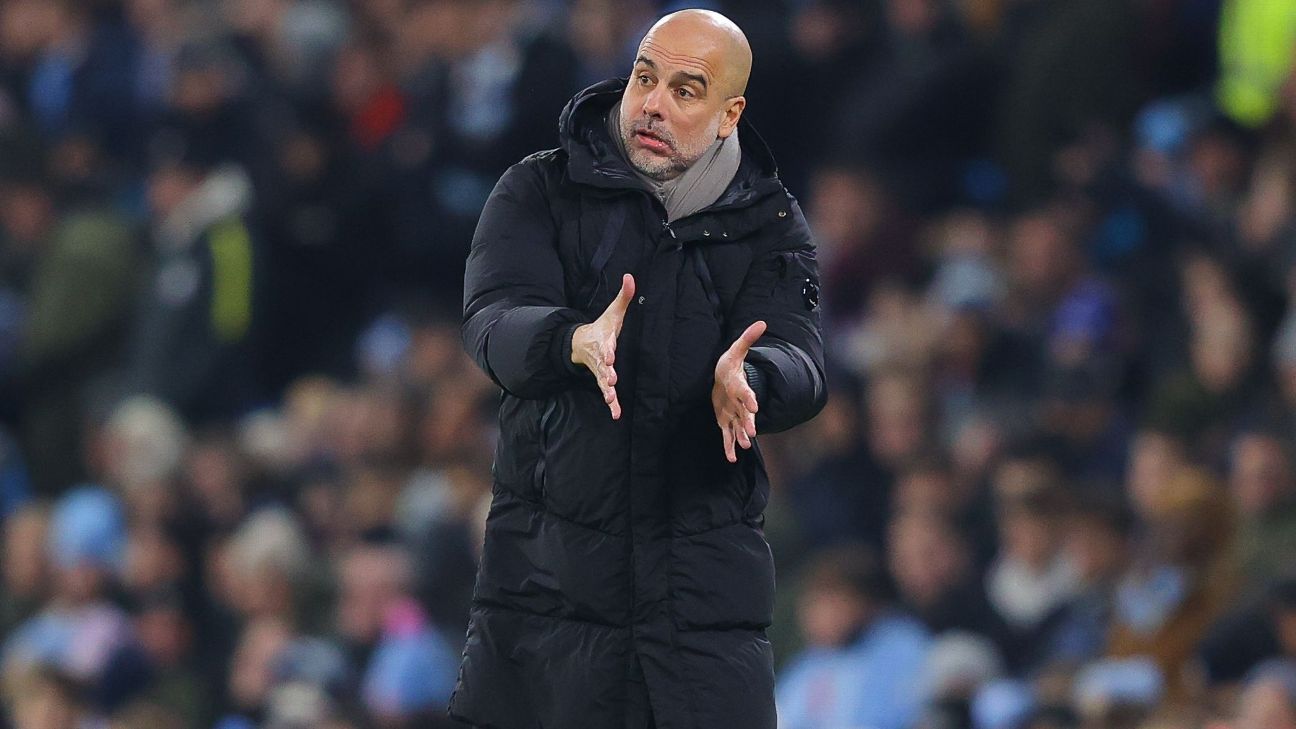
Pep Guardiola’s Strategic Decision: The Summer Transfer That Almost Was
In the world of football, summer transfer windows often evoke excitement, speculation, and sometimes disappointment. Fans eagerly anticipate the arrival of new stars, while coaches ponder how to reshape their squads to achieve greater success. This summer, however, brought a surprising twist as Manchester City manager Pep Guardiola chose against a significant overhaul. This decision not only raised eyebrows but also sparked discussions about the team’s future direction and Guardiola’s long-term strategy.
The Context of Guardiola’s Decision
After a remarkable season where Manchester City secured the Premier League title and the UEFA Champions League, expectations were high. Traditionally, clubs that achieve such success often look to reinforce their squads, bringing in fresh talent to maintain momentum. However, Guardiola’s choice to retain the core of his team suggests a deeper level of confidence in his existing players.
Guardiola’s managerial philosophy has always revolved around building a cohesive unit, emphasizing teamwork and understanding among players. By opting against a major transfer strategy, Guardiola might be signaling his belief that the current squad can continue to perform at an elite level. This decision aligns with his history of developing players within the system, enhancing their skills to fit his tactical framework.
The Underlying Strategy: Trust in the Current Squad
One of the key takeaways from Guardiola’s summer transfer decision is his evident trust in the current squad. With notable talents like Kevin De Bruyne, Phil Foden, and Erling Haaland already in place, Guardiola appears to believe that they can continue to deliver exceptional performances without the need for new signings. This trust reflects a broader strategy that values player development as much as it does external acquisitions.
Moreover, by forgoing high-profile transfers, Guardiola may be looking to foster internal competition. Players who may have felt secure in their positions could now face the challenge of maintaining their spots in the lineup. This competition often leads to improved performance, as players push each other to excel.
Understanding the Financial Landscape
The financial implications of the transfer market cannot be ignored. The football industry has seen a significant shift in recent years, with clubs being more cautious about spending due to the economic impacts of the COVID-19 pandemic. Clubs are now more focused on sustainable financial practices. Guardiola’s decision could also reflect a strategic alignment with Manchester City’s broader financial goals.
- Financial Discipline: By avoiding potentially extravagant signings, Guardiola’s approach may indicate a commitment to financial prudence.
- Investment in Youth: The decision to rely on existing talent opens the door for young players from the academy to step up, potentially leading to a more sustainable model.
- Long-Term Vision: Focusing on player development rather than short-term fixes can create a squad that is not only competitive now but also for the future.
Potential Risks and Rewards
While Guardiola’s decision to avoid a major summer transfer overhaul demonstrates confidence, it is not without risks. The Premier League is notoriously competitive, and teams are constantly evolving. Failing to adapt could leave Manchester City vulnerable to rivals who are actively strengthening their squads.
Possible Risks
- Stagnation: Relying solely on the existing squad could lead to stagnation if players do not continue to develop or if injuries occur.
- Increased Pressure: The absence of new signings may place additional pressure on the current players to perform consistently at a high level.
- Response to Rivals: Competitors like Liverpool, Chelsea, and Manchester United are likely to bolster their squads, making it crucial for City to maintain their competitive edge.
Potential Rewards
- Cohesion: A stable squad can lead to improved teamwork and understanding on the pitch, which is often vital for success.
- Developing Talent: Continued investment in young players can yield long-term benefits, as seen with the emergence of talents like Foden.
- Strategic Depth: A focus on squad depth through internal development can create a more resilient team capable of handling the demands of multiple competitions.
The Role of Tactical Adaptability
Guardiola’s managerial acumen extends beyond simply choosing players; it also involves tactical adaptability. While the current squad may not see significant changes in personnel, Guardiola is known for his ability to tweak formations and strategies based on the opponent and the context of the game.
This adaptability can often compensate for any perceived shortcomings in the squad. Guardiola’s system has proven effective, utilizing players in versatile roles that maximize their strengths. For example, the ability of players like Bernardo Silva and Joao Cancelo to interchange positions allows for fluid attacking movements and defensive stability.
Looking Ahead: The Future of Manchester City
As the season progresses, all eyes will be on Manchester City to see how Guardiola’s decision unfolds. Will the existing squad rise to the challenge, or will the lack of new talent prove detrimental? The answers to these questions will shape the narrative for the club’s future.
In conclusion, Pep Guardiola’s strategic decision to forgo a major summer transfer overhaul reflects his confidence in his current squad and aligns with a broader vision for sustainable success. As he continues to develop and challenge his players, the footballing world will be watching closely to see whether this gamble pays off. The balance between trust in existing talent and the need for reinforcements is a delicate one, and Guardiola’s ability to navigate this will be crucial for Manchester City’s ambitions both domestically and in Europe.
See more Highlights Daily


