Understanding Utah’s Ski Patrol Strike and Its Implications for Park City Mountain
After a tense standoff, the recent ski patrol strike at Park City Mountain has concluded, marking a significant moment for both the workers involved and the future of the resort as the winter season approaches. With safety protocols and employee rights at the forefront of discussions, this resolution raises important questions that could shape the ski industry in Utah and beyond.
The Background of the Strike
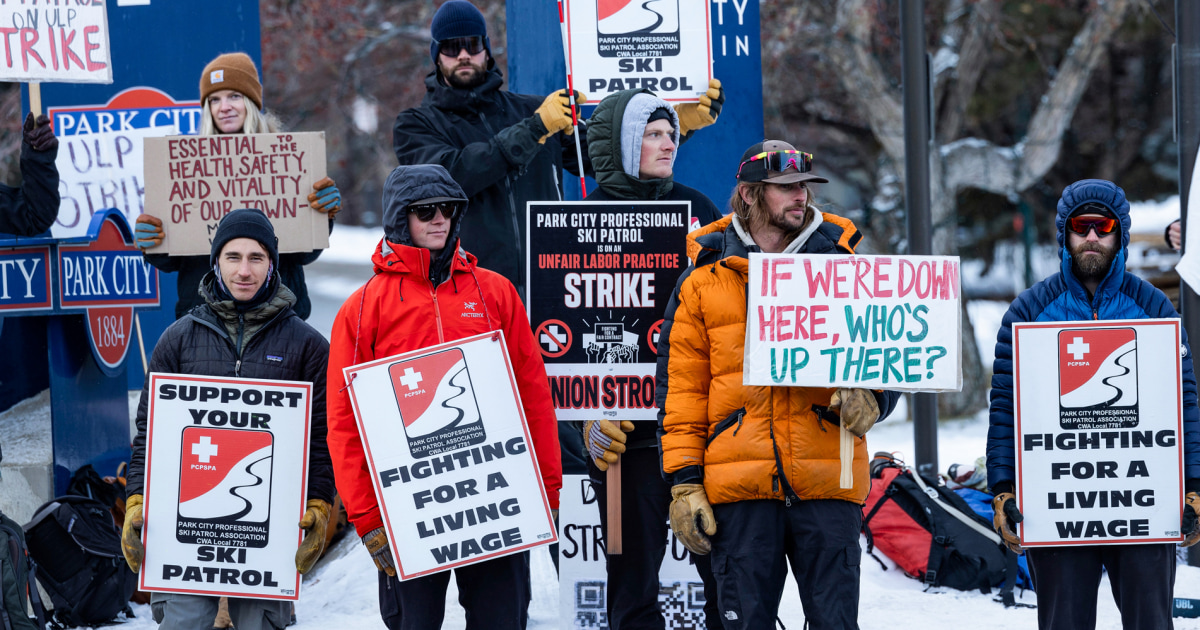
The ski patrol strike at Park City Mountain began amid growing concerns over working conditions, safety protocols, and compensation. Ski patrol members, who play a crucial role in ensuring the safety of skiers and snowboarders, expressed dissatisfaction with the current management practices and lack of adequate support. The strike was not simply about pay; it highlighted deeper issues regarding the treatment of ski patrol workers, who often face high-stress situations in challenging environments.
As the strike unfolded, many in the skiing community began to take notice. Park City Mountain is one of the largest ski resorts in the United States, and its operations significantly impact the local economy. The strike garnered attention not only from resort staff but also from skiers who rely on the expertise and safety measures provided by the ski patrol.
What the Resolution Means for Safety Protocols
With the conclusion of the ski patrol strike, one of the most critical areas of focus will be the re-evaluation of safety protocols. The ski patrol team is responsible for assessing conditions, responding to emergencies, and ensuring that safety measures are effectively communicated to both staff and guests. The strike has brought to light several key issues that need addressing:
- Training and Resources: Ski patrol members require ongoing training and adequate resources to perform their duties effectively. This includes access to the latest safety equipment and regular drills to prepare for emergencies.
- Communication with Management: Establishing clear lines of communication between ski patrol and resort management is essential. Workers need to feel heard, and their concerns addressed promptly.
- Emergency Response Protocols: The effectiveness of emergency response can mean the difference between life and death on the slopes. Revising these protocols based on the feedback from ski patrol workers will enhance overall safety.
Employee Rights in the Ski Industry
The resolution of the ski patrol strike also highlights the critical issue of employee rights within the ski industry. As more resorts face similar disputes, it becomes clear that workers are advocating for fair treatment and equitable conditions. This strike is not an isolated incident; it reflects a broader trend of workers in various industries pushing for better rights and protections.
Key aspects of employee rights that emerged during the strike include:
- Fair Compensation: Ensuring that ski patrol members are compensated fairly for their expertise and the risks they take is paramount. This includes not only wages but also benefits such as health insurance and retirement plans.
- Work-Life Balance: Ski patrol workers often endure long hours during peak seasons. Advocating for reasonable schedules and adequate time off is crucial for their well-being.
- Job Security: Employees should feel secure in their positions, with clear pathways for advancement and recognition of their contributions to resort safety.
The Community’s Response
The ski patrol strike has sparked considerable discussion within the Park City community, with local residents, skiers, and business owners weighing in on the implications of the standoff. Many community members expressed support for the ski patrol, acknowledging their integral role in maintaining safety and enjoyment on the slopes.
Local businesses that rely on winter tourism are also watching closely. A prolonged strike could deter visitors, impacting the economy during the crucial winter months. Therefore, the swift resolution to the strike is seen as beneficial not just for the ski patrol but for the entire Park City community.
Looking Ahead: The Future of Park City Mountain
As Park City Mountain prepares for the upcoming winter season, the resolution of the ski patrol strike will undoubtedly influence its operations. The resort’s management has an opportunity to implement changes that can improve worker satisfaction and safety, benefiting everyone involved. Here’s what the future may hold:
- Enhanced Safety Measures: With a renewed focus on safety protocols, guests can expect a safer experience on the slopes, which could enhance the resort’s reputation.
- Stronger Worker Relations: Building a strong relationship between management and ski patrol could lead to a more collaborative environment, fostering trust and open communication.
- Increased Community Engagement: The resort may prioritize community engagement initiatives, recognizing the importance of local support in maintaining its status as a premier ski destination.
Conclusion
In conclusion, the ski patrol strike at Park City Mountain has underscored significant issues regarding safety protocols and employee rights in the ski industry. The resolution of this strike is a pivotal moment that not only enhances the working conditions for ski patrol members but also ensures a safer environment for all skiers and snowboarders. As the winter season approaches, the eyes of the skiing community will be on Park City Mountain to see how these changes unfold. The actions taken today may very well set a precedent for other ski resorts facing similar challenges, paving the way for a more equitable and safe ski industry in the future.
See more Highlights Daily


