Super Bowl Security: What Officials Are Really Saying About Threats Post-Attack
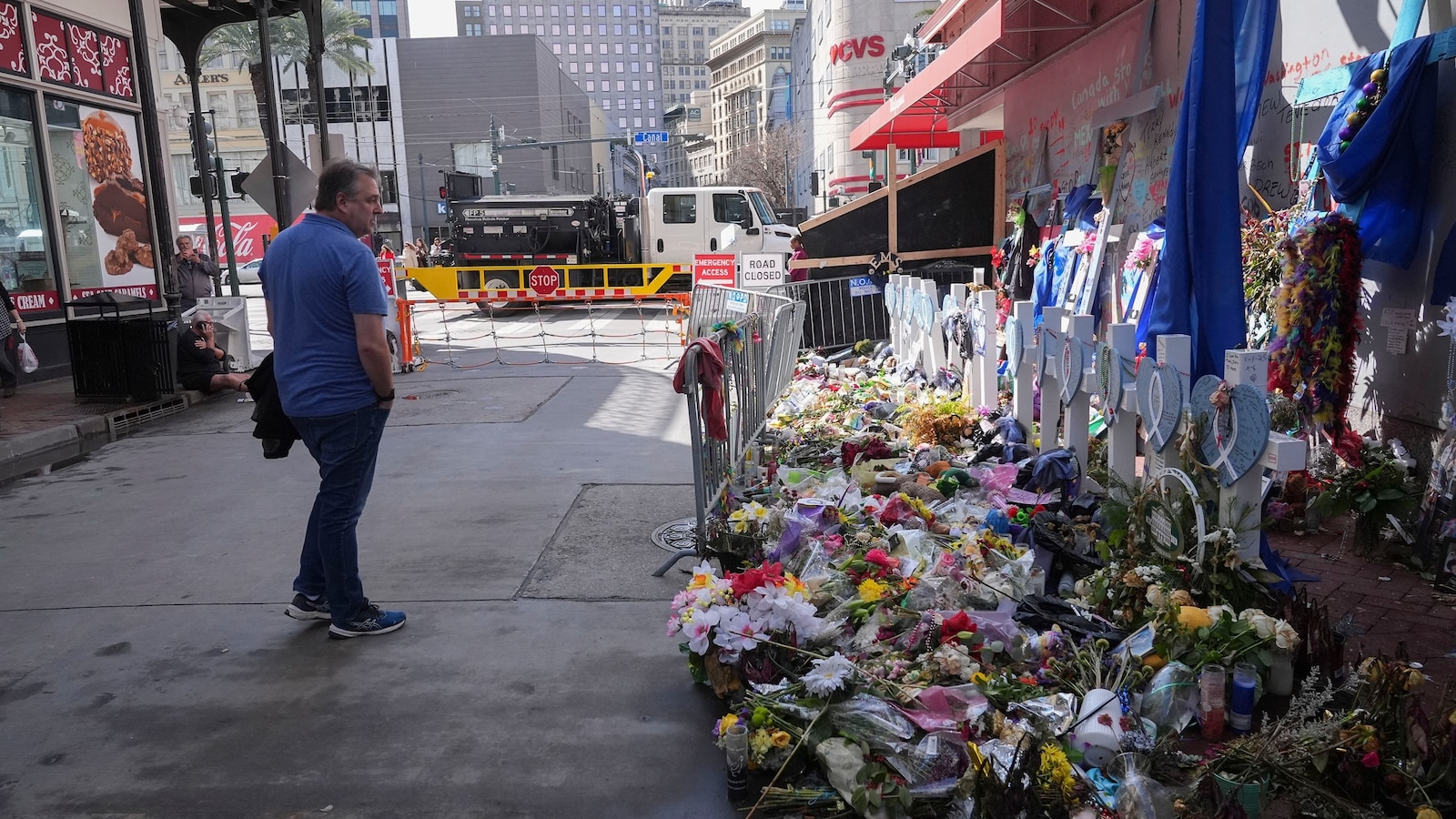
In light of a recent terror attack that has rattled national security, officials are stepping forward with assurances that the upcoming Super Bowl poses “no credible threats.” However, these statements only scratch the surface of the extensive security protocols and measures being implemented behind the scenes to guarantee the safety of players, attendees, and the broader community. As millions prepare to tune into one of the most-watched sporting events in the world, the complexities of Super Bowl security come into sharp focus.
The Landscape of Modern Security Challenges
Super Bowl security is not just about preventing potential attacks; it is about navigating a complex landscape rife with challenges. In a world where mass gatherings are increasingly vulnerable targets, security officials must consider a multitude of factors:
- Threat Assessment: Security agencies continually assess various threats, from lone-wolf attackers to organized terrorist groups.
- Intelligence Gathering: Information is collected from various sources, including local law enforcement, the FBI, and intelligence agencies, to create a comprehensive threat profile.
- Public Sentiment: After a terror incident, public anxiety can heighten, necessitating a tailored approach to communication and reassurance.
This multifaceted approach ensures that security measures are not only reactive but proactive, addressing potential issues before they escalate.
Behind the Scenes of Super Bowl Security
While officials may publicly declare the event safe, the reality is that an intricate web of security measures is being woven to protect everyone involved. Here’s a detailed look at what goes into Super Bowl security:
Enhanced Surveillance
One of the most visible components of Super Bowl security is the increased surveillance. Advanced technology plays a crucial role:
- CCTV Cameras: Thousands of high-definition cameras will be strategically placed around the venue to monitor for suspicious activity.
- Drones: Unmanned aerial vehicles may be deployed to provide aerial surveillance and crowd monitoring.
- Facial Recognition Technology: This technology can identify individuals on watch lists or those behaving suspiciously.
These tools not only enhance security but also deter potential threats by showcasing the event’s robust protective measures.
Access Control and Screening
Another critical aspect of Super Bowl security is access control. This involves:
- Rigorous Screening Processes: Attendees will undergo thorough bag checks and metal detectors before entering the venue.
- Credentialing: All personnel, including vendors and security staff, will carry identifiable credentials to ensure only authorized individuals access restricted areas.
- Mobile Apps: Some events now utilize mobile apps for ticketing and access, which can include features like digital ID verification.
These measures create a layered security environment that is difficult to breach.
Collaboration Across Agencies
The coordination among various agencies is pivotal to Super Bowl security. Local police, state authorities, federal agencies, and even private security firms work together to form a cohesive security strategy. This collaboration includes:
- Joint Task Forces: Specialized units from different agencies may form task forces to address specific threats.
- Emergency Response Plans: Comprehensive plans are developed to manage any potential incidents, including evacuation procedures and medical response protocols.
- Communication Networks: Real-time communication systems ensure that all agencies involved can share information swiftly and efficiently.
This level of collaboration enhances preparedness and response capabilities, ensuring a unified approach to security.
Community Engagement and Public Awareness
In the aftermath of a terror attack, public perception and awareness play a significant role in security. Officials are keenly aware of the need to engage with the community:
- Public Information Campaigns: Authorities may launch campaigns to inform the public about safety measures and encourage vigilance.
- Community Watch Programs: Engaging local communities in reporting suspicious activity can create a proactive security environment.
- Social Media Monitoring: Tracking social media platforms can provide insights into potential threats or public concerns.
By fostering a sense of community involvement, officials can enhance security and reassure attendees that their safety is a priority.
Looking Ahead: The Future of Super Bowl Security
As threats evolve, so too must security measures. The future of Super Bowl security will likely include:
- Increased Use of AI: Artificial intelligence can enhance threat detection and predictive analytics, allowing for more effective security measures.
- Behavioral Analysis: Training personnel to recognize suspicious behavior can improve the ability to prevent incidents before they occur.
- Cybersecurity Measures: With the rise of digital threats, safeguarding data and communications will become increasingly important.
These innovations will contribute to creating a safer environment for all participants and spectators.
Conclusion
While officials assure the public that the upcoming Super Bowl poses “no credible threats,” the reality is that a tremendous amount of work goes into ensuring security. From advanced surveillance to collaborative efforts among various agencies, the complexities of Super Bowl security are vast and multifaceted. By understanding these measures, attendees can feel more at ease, knowing that their safety is being prioritized. In a charged atmosphere, the commitment to secure this iconic event remains steadfast, embodying the spirit of resilience and community.
See more Highlights Daily


