Trump’s Controversial Executive Order: A New Era for Women’s Sports?
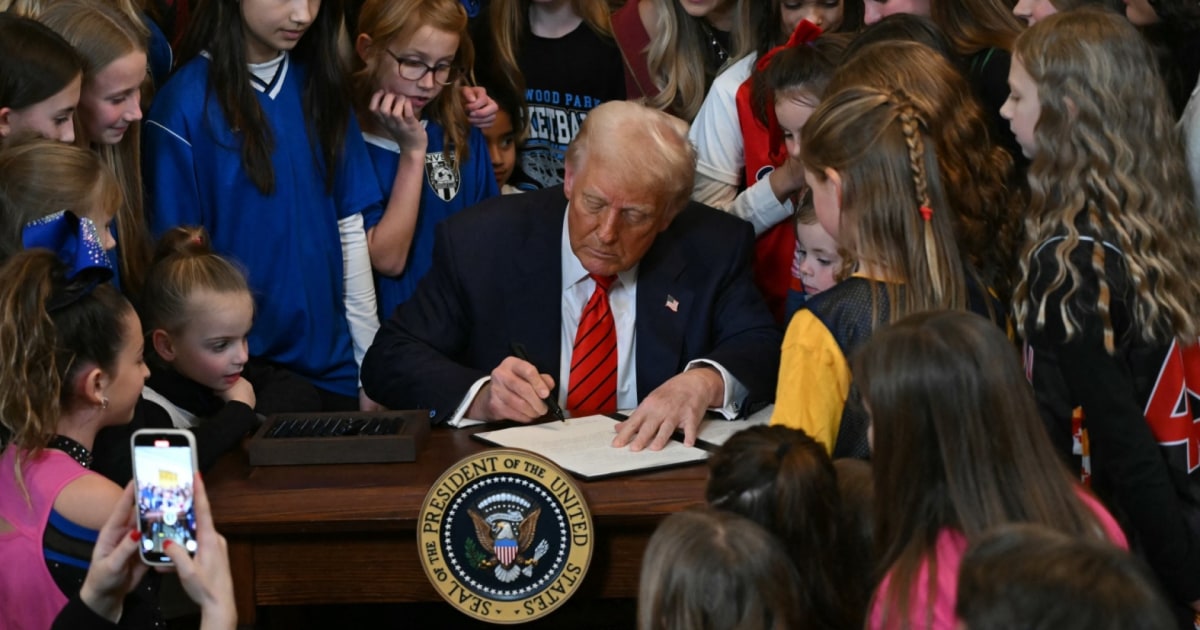
In a bold and contentious move, former President Donald Trump has signed an executive order that bans transgender athletes from competing in women’s sports. This decision has sparked a heated national debate surrounding gender identity, fairness, and the landscape of athletics in the United States. As society grapples with issues of inclusion and equality, this executive order represents a significant shift that could redefine the future of women’s sports.
The Context of the Executive Order
Trump’s executive order comes amid a growing wave of legislation at both state and federal levels aimed at regulating transgender participation in sports. Advocates for women’s sports argue that allowing transgender women to compete against cisgender women undermines the principles of fair competition. They stress that physiological differences, such as muscle mass and bone density, can provide inherent advantages in athletic performance.
On the other hand, opponents of the order argue that it discriminates against transgender individuals, denying them the right to participate in activities that align with their gender identity. They believe that sports should be inclusive and highlight the need for policies that promote equality rather than division.
The Arguments For and Against the Ban
Arguments Supporting the Ban
- Fairness in Competition: Advocates argue that biological differences can create an uneven playing field. They contend that cisgender women may face challenges in fair competition if transgender women are allowed to compete.
- Protection of Women’s Sports: Proponents of the ban often express concerns about the integrity and future of women’s athletics, fearing that the participation of transgender athletes may lead to a decline in opportunities for cisgender women.
- Safety Concerns: In contact sports, there are worries about safety, with claims that physiological advantages can lead to increased risk of injury.
Arguments Against the Ban
- Human Rights and Dignity: Critics assert that the executive order is a violation of the rights of transgender individuals. They argue that everyone should have the opportunity to compete in sports that correspond with their gender identity.
- Scientific Evidence: Some studies suggest that hormone therapy can mitigate physical advantages, thereby leveling the playing field. Critics of the ban emphasize the need for evidence-based policies rather than blanket restrictions.
- Inclusivity in Sports: Many advocate for a more inclusive approach to sports, arguing that sports should be a platform for celebrating diversity rather than exclusion.
Impact on Athletic Organizations
In response to Trump’s executive order, numerous athletic organizations are faced with the challenge of navigating this new regulatory landscape. Organizations like the NCAA and various state high school athletic associations must reconcile their inclusion policies with federal mandates.
For example, the NCAA has historically supported transgender athletes’ rights to compete in accordance with their gender identity, often following guidelines that require hormone therapy for a specified period. The new executive order could force these organizations to reconsider their policies, potentially leading to a fragmented approach to transgender participation across different states and levels of competition.
Legal Ramifications
This executive order is likely to face legal challenges. Civil rights groups have already indicated a readiness to fight against what they perceive as discriminatory practices. Lawsuits could arise, claiming violations of the Equal Protection Clause of the Fourteenth Amendment, which guarantees equal treatment under the law.
Moreover, the implementation of such an order might lead to a patchwork of policies across the nation, where some states adopt the ban while others continue to embrace inclusivity. This could create confusion for athletes, coaches, and administrators trying to navigate the rules governing participation in sports.
Public Reactions and Societal Implications
The public reaction to Trump’s executive order has been deeply polarized. Supporters laud the decision as a necessary step to protect women’s sports, while opponents view it as a regressive move that stifles progress towards equality and inclusion.
Social media platforms have become battlegrounds for this debate, with passionate arguments made on both sides. Hashtags promoting either support or opposition to the ban have trended nationally, reflecting the urgency and importance of the issue in contemporary society.
The Future of Women’s Sports
As we look to the future, the implications of Trump’s executive order on women’s sports remain uncertain. The ongoing debate is likely to shape public policy, athletic governance, and societal attitudes towards gender identity for years to come.
In the face of division, there lies an opportunity for dialogue and understanding. Sports can serve as a unifying force, providing a platform for all individuals to showcase their talents and celebrate their identities. Moving forward, it is crucial that discussions surrounding athletics be framed with compassion and respect for all athletes, regardless of their gender identity.
Conclusion
Trump’s controversial executive order banning transgender athletes from competing in women’s sports marks the beginning of a new chapter in the ongoing discourse about gender and athletics. As this issue continues to unfold, it is vital for stakeholders—from athletes to policymakers—to engage in constructive dialogue that prioritizes fairness, inclusivity, and respect for all individuals involved in sports.
Ultimately, the future of women’s sports will depend on how society chooses to address these complex issues and whether it can find a path that honors both the spirit of competition and the rights of every athlete.
See more Highlights Daily


