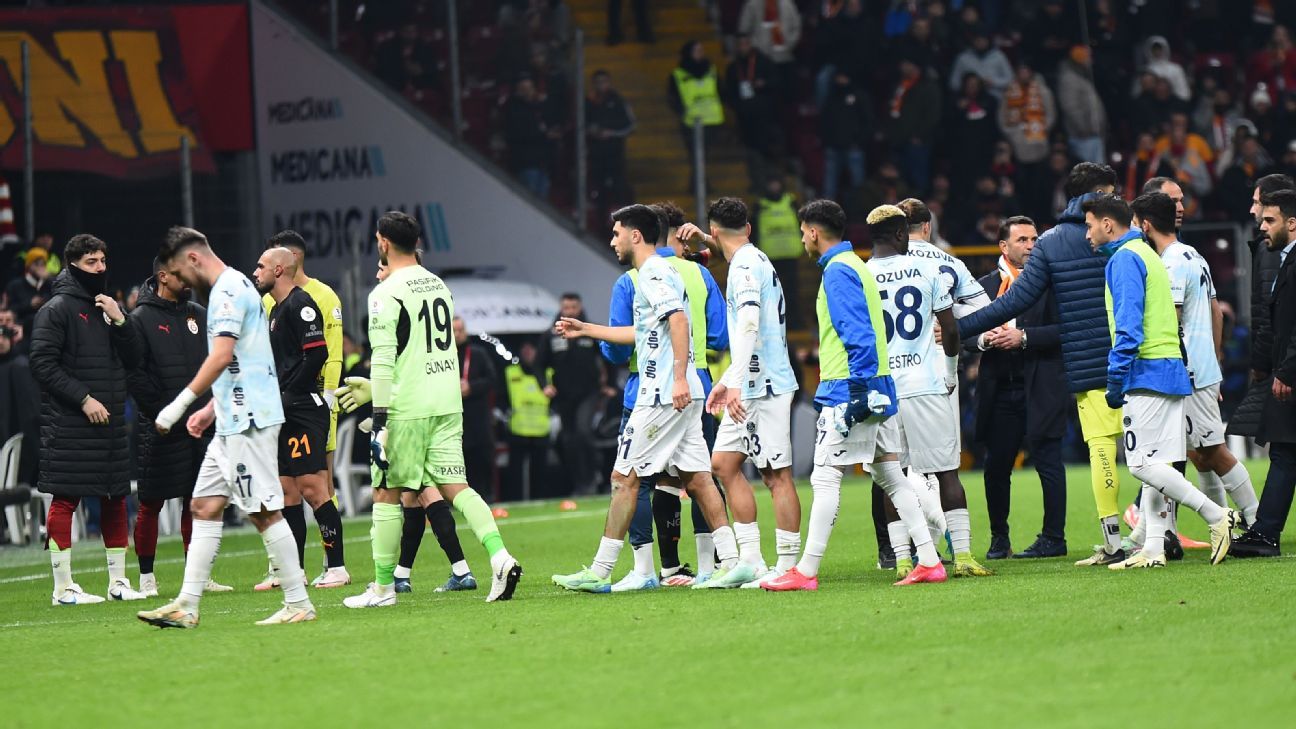
Adana Demirspor’s Bold Stand: The Protest Against Officiating
In a shocking and unprecedented move, players of Adana Demirspor left the pitch just 30 minutes into their match, staging a protest against what they deemed controversial officiating. This bold stand has not only stirred the emotions of fans and players alike but also ignited a broader conversation about accountability and fairness in sports. Such actions raise pressing questions about the role of referees in the game, the impact of their decisions, and what it means for the integrity of football.
The Context of the Protest
To understand the significance of Adana Demirspor’s protest, we must delve into the context surrounding the match. Adana Demirspor faced an opponent that was seen as a formidable rival in the league. However, the match quickly turned contentious due to several referee decisions that the players and coaching staff believed were unjust. Players reported feeling that the officiating was not only erratic but also favored the opposing team in crucial moments.
In a league where the stakes are high, every decision made by the referee can have a profound impact on the outcome of a match. This incident is part of a larger trend where players and teams express their frustration over officiating standards. The players, unified in their stance, decided that they could no longer tolerate what they perceived as a blatant disregard for fairness in the game.
What Prompted the Walk-Off?
The decision to walk off the field was not made lightly. Key moments in the match included:
- Controversial Yellow Cards: Several players received yellow cards for what appeared to be minor infractions, while more serious fouls by the opposing team went unpunished.
- Disallowed Goals: Adana Demirspor had a goal disallowed under contentious circumstances, leading to an uproar from players and fans.
- Inconsistent Calls: The refereeing seemed inconsistent, leading to confusion and frustration among players regarding what constituted a foul.
These incidents culminated in a growing sense of injustice among the players, prompting them to take a stand. The walk-off was a symbolic act, intended to draw attention to the pressing issue of officiating standards in football.
The Reactions
The reaction to Adana Demirspor’s bold stand has been mixed. Fans rallied behind their team, applauding their courage to stand up against perceived injustices. Social media erupted with support, as many fans expressed their solidarity with the players. Hashtags related to the protest trended, highlighting the passionate response from the football community.
However, not all reactions have been positive. Critics argue that walking off the field is an extreme measure that could set a dangerous precedent. They contend that while officiating may sometimes be flawed, players should focus on playing the game rather than resorting to protests.
Officiating in Football: A Deep-Rooted Issue
The incident involving Adana Demirspor shines a light on a long-standing issue within football: the quality of officiating. Referees are often placed in incredibly difficult positions, having to make split-second decisions that can change the course of a match. Unfortunately, human error is an inherent part of the game. Nevertheless, the advent of technology such as Video Assistant Referee (VAR) has been introduced to help reduce errors, yet its implementation has been met with mixed reviews.
The debate about officiating extends beyond the current match. For many players and teams, the frustration with referees is a recurring theme. High-profile matches have seen players and coaches express their grievances, and some leagues have even instituted measures to improve officiating standards through training and accountability systems.
The Implications of the Walk-Off
Adana Demirspor’s walk-off could have significant implications for the league and for the sport as a whole. Here are a few potential outcomes:
- Increased Scrutiny on Referees: This protest may lead to heightened scrutiny of officiating standards in the league, prompting governing bodies to reevaluate their training and evaluation processes for referees.
- Support for Player Advocacy: The incident may inspire other teams to voice their concerns more openly regarding officiating, creating a larger movement for accountability in sports.
- Potential Backlash: Depending on league policies, Adana Demirspor could face disciplinary actions for their protest, which might deter other teams from taking similar actions in the future.
Looking Forward: A Call for Change
The walk-off by Adana Demirspor serves as a powerful reminder of the need for accountability in sports. While the actions of the players may have been controversial, they highlight a critical issue that affects not only their team but the integrity of the sport as a whole. Moving forward, it’s essential for leagues, governing bodies, and referees to engage in open dialogue with players and teams to address these concerns.
As fans, players, and officials continue to navigate the complexities of football, it’s crucial to remember that the spirit of the game thrives on fairness and integrity. Adana Demirspor’s bold stand may just be the catalyst needed for meaningful change in the world of sports officiating.
Conclusion
Adana Demirspor’s dramatic walk-off is a significant event that transcends a single match, provoking discussions about accountability and fairness in sports. While the immediate effects of the protest remain to be seen, it has undoubtedly sparked a conversation that is long overdue in the world of football. As we reflect on this moment, it is clear that the community must work together to ensure that every player receives the fair treatment they deserve, both on and off the pitch.
See more Highlights Daily


