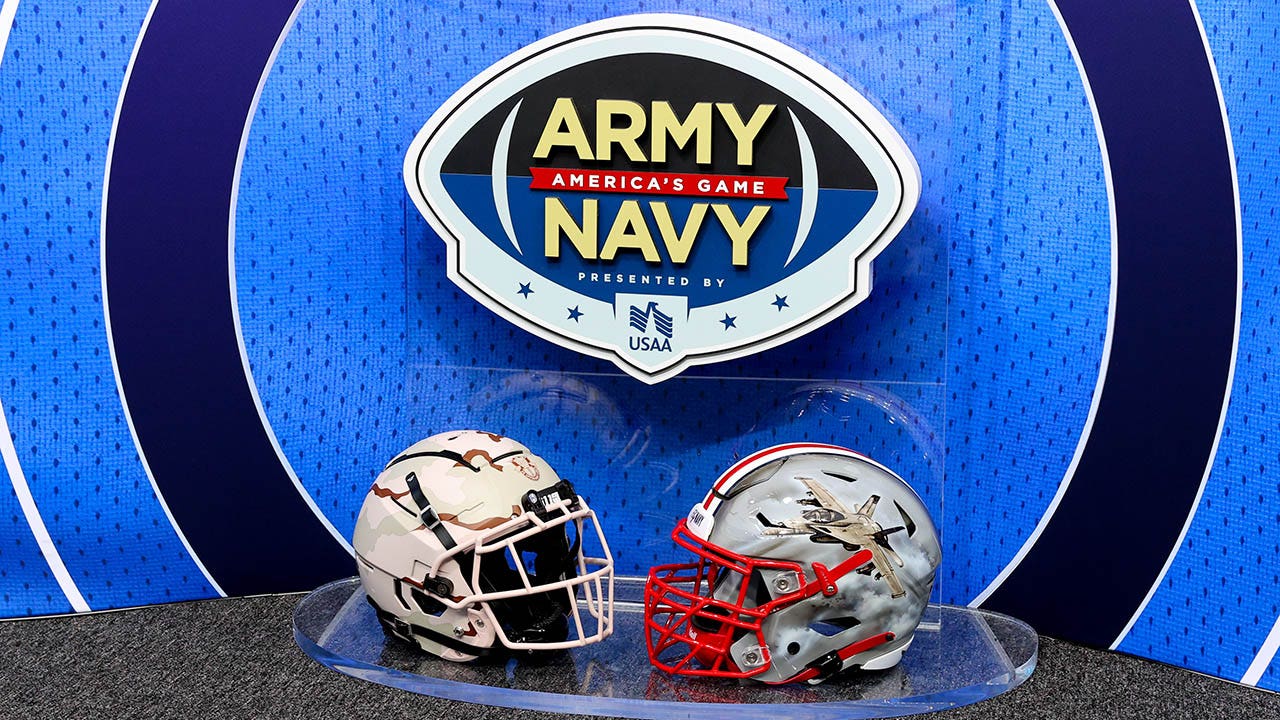
The Army-Navy game stands as one of college football’s most storied traditions, a celebration of rivalry, honor, and teamwork that transcends the commercialized narratives of modern sports. As college athletics grapple with the implications of the Name, Image, and Likeness (NIL) era, the significance of this annual clash between the United States Military Academy and the United States Naval Academy remains steadfast. This article explores the essence of tradition embodied in the Army-Navy game, examining its cultural relevance amidst the evolving landscape of college athletics.
First played in 1890, the Army-Navy game is more than just a football match; it is a historic event steeped in military pride and camaraderie. Each year, thousands of fans gather to witness this fierce rivalry, where the stakes go beyond the scoreboard. The game serves as a rite of passage for cadets and midshipmen, fostering a sense of unity and purpose that resonates throughout their military careers.
The game has evolved into a national spectacle, often drawing millions of viewers on television and filling stadiums to capacity. It represents a convergence of sports, tradition, and patriotism, showcasing the values of discipline, respect, and service that define both academies. Each team embodies the spirit of their respective branches of the U.S. Armed Forces, with players often viewing participation as an honor rather than merely a pathway to professional football.
NIL and Its Impact on College Athletics
The advent of the NIL era has introduced a new dynamic to college sports, enabling athletes to profit from their personal brand and endorsing products and services. This shift has sparked debates about the commercialization of college athletics, with some arguing that it undermines the amateur ethos of college sports.
In this landscape, the Army-Navy game stands apart. While many college football programs are adapting to the pressures of recruitment and financial incentives, the Army-Navy rivalry is grounded in values that resist such commercialization. Here’s how:
- Unity Over Individualism: The focus of the Army-Navy game is on teamwork and collective achievement rather than individual accolades or financial gain. Players are trained to prioritize the mission over personal success, a principle that remains intact even as NIL opportunities arise.
- Commitment to Service: Cadets and midshipmen are bound by a commitment to serve their country. This dedication overshadows any potential financial benefits that might come from NIL deals, ensuring that the integrity of the game is maintained.
- Cultural Significance: The Army-Navy game encapsulates a rich heritage that is celebrated by alumni, current service members, and fans alike. This cultural significance cannot be commodified in the same way as other college sporting events, which often prioritize commercial interests over tradition.
The Perspective of Sponsors and Stakeholders
Sponsors of the Army-Navy game often reflect on its unique character as a sporting event. According to the CEO of a leading sponsor, the game is seen as a testament to the core values of college football—values that have remained unchanged despite the influx of NIL deals in other sports. He noted, “The Army-Navy game is a reminder of what college athletics should be about: integrity, honor, and the spirit of competition. It’s a tradition that stands strong against the tide of commercialization.”
This perspective highlights a broader concern among stakeholders in college sports. Many fear that the rush to monetize athletes’ images could dilute the essence of college sports, leading to a loss of the foundational principles that make these games meaningful. The Army-Navy game serves as a counterexample, illustrating how tradition can coexist with modern developments in the sports industry.
The Broader Implications for College Sports
The resilience of the Army-Navy game in the face of NIL challenges raises important questions about the future of college athletics. As schools across the nation navigate the complexities of NIL, they must consider how to preserve the integrity and values that define their programs. Here are some implications to consider:
- Reevaluation of Values: Institutions may need to reassess their priorities, ensuring that the development of student-athletes remains at the forefront, even amidst the allure of financial gain.
- Strengthening Traditions: Schools might look to enhance their own traditions, creating events that foster camaraderie and school spirit, much like the Army-Navy game.
- Community Engagement: Programs can benefit from engaging with their local communities, emphasizing the importance of service and responsibility, similar to the values upheld by the military academies.
Conclusion: Preserving the Spirit of College Football
The Army-Navy game remains a powerful symbol of what college football can and should represent—integrity, tradition, and the unwavering spirit of competition. As the landscape of college athletics continues to evolve with the introduction of NIL, the lessons from this historic rivalry offer valuable insights into preserving the core values of the sport.
While the NIL era brings opportunities and challenges, the Army-Navy game stands as a reminder that true sportsmanship and camaraderie can endure even in the most commercialized environments. As college football navigates these changes, stakeholders can look to the Army-Navy game for inspiration, reinforcing the importance of tradition amidst the shifting tides of college athletics.
See more Highlights Daily


