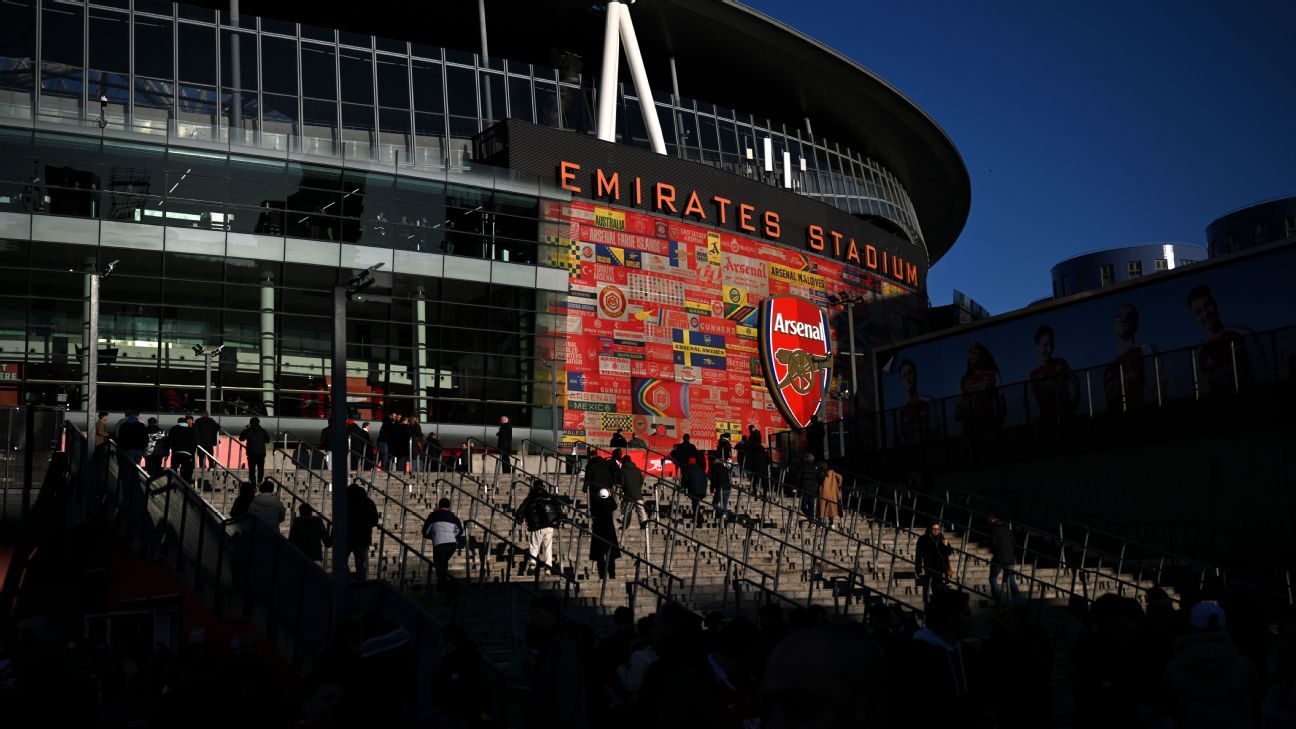
Understanding Arsenal’s £17.7 Million Loss: The Impact of Rising Player Wages
Arsenal Football Club has recently reported a staggering £17.7 million loss, a situation that has raised eyebrows across the footballing world. This financial setback predominantly stems from an increase in player wages, prompting a closer look at the club’s spending strategy and its implications for future performance. As the landscape of football continues to evolve, understanding the financial dynamics at play is crucial for fans, analysts, and stakeholders alike.
The Financial Landscape of Football
The financial health of football clubs often hinges on several key factors: matchday revenues, broadcasting rights, sponsorship deals, and player wages. In recent years, player wages have surged, driven by lucrative broadcasting contracts and increasing commercial revenues. Clubs are eager to attract and retain top talent, resulting in a bidding war that inevitably elevates wage expectations.
Arsenal, a club with a rich history and a dedicated fanbase, finds itself at a crossroads. The £17.7 million loss highlights a broader trend within the Premier League, where clubs are grappling with the balance between competitive success and financial sustainability. But what exactly led to this significant financial downturn?
Rising Player Wages: A Double-Edged Sword
One of the primary contributors to Arsenal’s financial loss has been the significant rise in player wages. The club’s management has made substantial investments in player contracts, aiming to build a squad capable of challenging for the Premier League title and European honors. However, the question arises: is this strategy sustainable?
- Inflation of Wages: The inflation of player salaries is a trend seen across the football world. Clubs are willing to pay exorbitant wages to secure top talent, leading to a ripple effect where even average players command high salaries.
- Impact on Financial Stability: While investing in top-tier players can lead to short-term success, it can also strain a club’s finances. Arsenal’s recent financial report indicates that their wage bill has ballooned, and with it, their losses have escalated.
The club’s strategy may have been well-intentioned, but it begs the question: how can Arsenal balance its ambition to win with fiscal responsibility?
Analyzing Arsenal’s Spending Strategy
Arsenal’s management has adopted a multifaceted approach to spending, focusing on both immediate performance and long-term sustainability. However, the recent financial results suggest that a reevaluation may be necessary. Here are some critical aspects to consider:
- Investment in Youth: One area where Arsenal has historically excelled is in nurturing young talent. By investing in their youth academy, the club can develop homegrown players who can contribute to the first team without the hefty price tag associated with purchasing established stars.
- Financial Fair Play (FFP) Regulations: With UEFA’s FFP regulations in place, clubs must ensure that their spending does not exceed their revenue. Arsenal’s current situation raises concerns about compliance with these regulations if losses continue to mount.
- Commercial Revenue Streams: To combat rising wage bills, Arsenal must enhance its commercial revenue streams. Maximizing sponsorship deals, merchandise sales, and matchday income is essential for improving financial health.
The Implications for Future Performance
Arsenal’s £17.7 million loss is more than just a number on a balance sheet; it has real implications for the club’s future performance. Here are some potential outcomes of this financial situation:
- Squad Depth vs. Financial Stability: The club may be forced to make difficult decisions regarding player contracts. Retaining a competitive squad while managing wage bills could lead to a reduced squad depth, impacting performance in domestic and European competitions.
- Transfer Market Strategy: A focus on youth development may become more pronounced, with the club prioritizing the acquisition of younger players with higher potential rather than established stars with hefty wage demands.
- Fan Engagement: Financial challenges can also affect fan engagement. If the club struggles to perform on the pitch due to financial constraints, it may lead to disillusionment among supporters, impacting matchday attendance and overall revenue.
Looking Ahead: A Path to Recovery
Despite the challenges that lie ahead, there is room for optimism. Arsenal is known for its resilience and ability to adapt to changing circumstances. Here are some strategies the club can implement to move forward:
- Smart Recruitment: Focus on scouting and recruiting players who offer value for money. Identifying talent in lower leagues or abroad can bring fresh energy to the squad without the inflated price tags.
- Enhance Commercial Partnerships: Strengthening commercial partnerships and exploring new revenue streams will be vital. Collaborating with local businesses and expanding global outreach can boost the club’s financial standing.
- Community Engagement: Building strong ties with the community can enhance the club’s reputation and attract local support, which is essential for matchday revenue.
Conclusion
Arsenal’s £17.7 million loss serves as a critical reminder of the complexities of modern football finance. While rising player wages have contributed to this financial setback, the club has the opportunity to recalibrate its strategy for sustainable success. By focusing on youth development, smart recruitment, and enhancing commercial revenue, Arsenal can navigate these challenges and strive toward a brighter future.
In a league where financial acumen is as vital as tactical prowess, Arsenal must find its footing to not only survive but thrive in the competitive landscape of football. The journey may be tough, but with determination and strategic planning, the Gunners can emerge stronger, ready to reclaim their position among the elite of English football.
See more Highlights Daily


