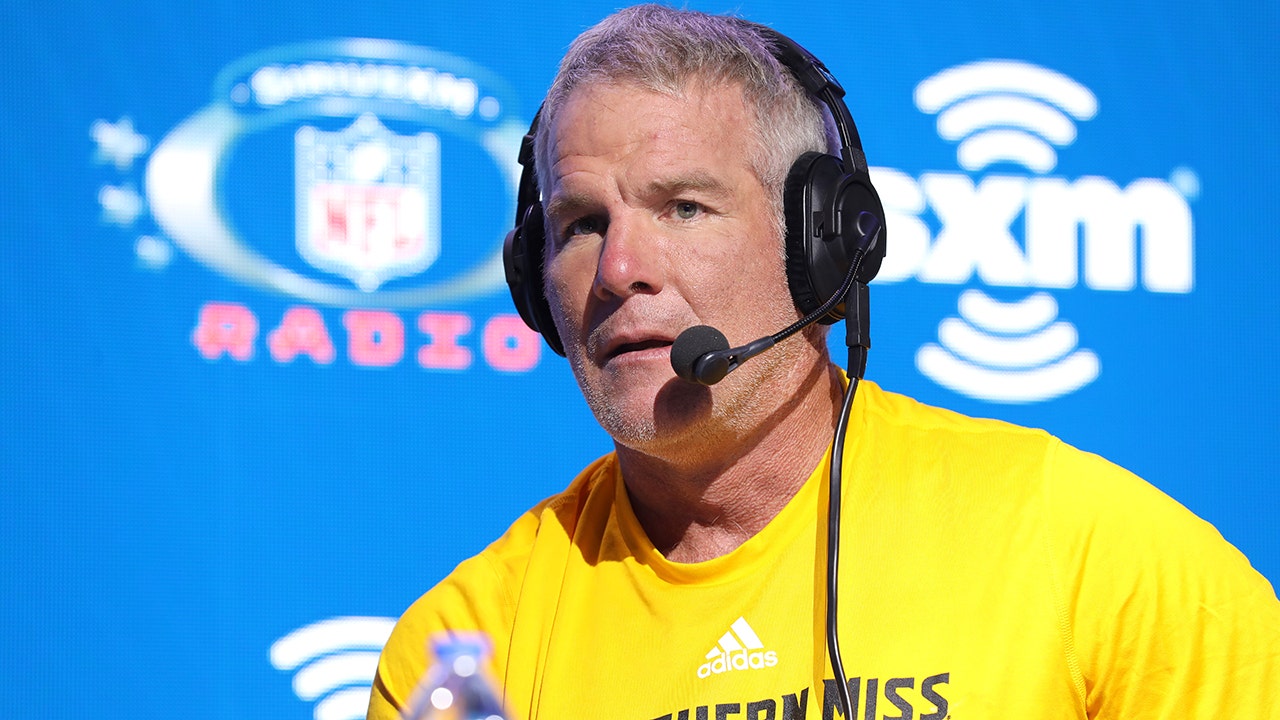
Brett Favre Takes a Stand: A Critique of Allstate CEO’s ‘Woke’ Remarks on the Sugar Bowl
In a world increasingly divided by opinions on social issues, few topics ignite passion quite like the intersection of sports, business, and “woke” culture. Recently, NFL legend Brett Favre has made headlines by taking a stand against remarks made by Allstate CEO Tom Wilson regarding the Sugar Bowl. Favre’s comments have sparked a broader conversation about the implications of corporate messaging in today’s social climate, especially as it relates to sports.
The Context of the Sugar Bowl Remarks
The Sugar Bowl, an iconic college football game, has long been a staple of American sports culture. However, its significance is now being scrutinized through the lens of corporate responsibility and social consciousness. During a recent press conference, Allstate’s CEO Tom Wilson made comments that many interpreted as “woke” in nature. He emphasized the need for corporate leaders to take a stand on social issues, suggesting that companies should not shy away from engaging in societal discourse.
Favre, known for his straightforward demeanor on and off the field, responded sharply to Wilson’s assertions. He expressed concern that such statements could alienate sports fans who prefer to enjoy games without being inundated by corporate politics. This confrontation has ignited a firestorm of debate about the role of corporations in social issues, particularly in relation to sports.
Brett Favre Takes a Stand
Brett Favre’s critique of Allstate’s CEO is not merely an isolated incident but rather a reflection of a growing sentiment among many fans and athletes. Favre’s position can be summarized in a few key points:
- Preserving the Spirit of Sports: Favre argues that sports should remain a space for enjoyment and camaraderie, free from the burdens of corporate messaging about social issues.
- Fan Alienation: He warns that companies taking a strong political stance run the risk of alienating a significant portion of their fanbase, which could ultimately impact their bottom line.
- Authenticity vs. Corporate Responsibility: Favre questions whether corporations genuinely care about social issues or if they are simply using them as marketing strategies to appeal to certain demographics.
The Debate Over ‘Woke’ Culture
The term “woke” has become a polarizing buzzword in recent years. Initially embraced as a call to awareness regarding social injustices, it has since been co-opted by various groups, leading to a backlash against what some perceive as overly politically correct behavior. Favre’s remarks align with a growing movement that argues for a return to traditional values in sports and entertainment.
Supporters of Favre’s stance argue that the essence of sports lies in its ability to unite people from diverse backgrounds, transcending political divides. They contend that using sports as a platform for political statements may fracture this unity.
The Business Perspective
On the other side of the debate, many corporate leaders advocate for “woke” practices as a means of fostering inclusivity and social responsibility. They argue that businesses have a moral obligation to engage with pressing social issues, particularly those that resonate with their consumers. This perspective holds that failing to address these issues could lead to irrelevance in a rapidly changing market.
- Consumer Expectations: As younger generations become the primary consumers, there is an increasing expectation for brands to take a stand on social issues.
- Brand Loyalty: Companies that align themselves with social causes often see increased brand loyalty among consumers who share those values.
- Employee Engagement: A socially responsible corporate culture can lead to higher employee satisfaction and retention rates.
The Ripple Effects in Sports and Business
The exchange between Brett Favre and Allstate’s CEO has broader implications not just for sports, but for the business landscape as a whole. Here are some key takeaways:
- Changing Corporate Strategies: Companies must navigate the fine line between engaging in social issues and alienating their customer base.
- Impact on Sponsorships: Athletes and teams may face pressure from sponsors to adopt certain stances, which could lead to conflicts of interest.
- Unity vs. Division: As sports become a platform for social discourse, the potential for division among fans grows, challenging the unifying power of athletics.
Public Sentiment and Future Trends
As Brett Favre Takes a Stand against corporate “wokeness,” public sentiment appears to be shifting. A significant portion of the fanbase expresses a desire for sports to remain an escape from the complexities of real-world issues. This desire raises questions about the future of corporate engagement in sports.
Looking ahead, several trends are emerging:
- Increased Transparency: Companies may need to be more transparent about their motivations when addressing social issues to build trust with consumers.
- Hybrid Approaches: Businesses might adopt hybrid strategies that include social responsibility while focusing on their core mission and values.
- Consumer Empowerment: Consumers will likely continue to hold brands accountable, pushing for authenticity in their social engagements.
Conclusion
The exchange between Brett Favre and Allstate’s CEO Tom Wilson highlights an ongoing debate about the role of corporations in social issues, especially in the realm of sports. As Favre takes a stand against what he perceives as excessive “woke” rhetoric, he echoes the sentiments of many fans who wish to keep sports a space for enjoyment rather than a battleground for political discourse. The conversation surrounding corporate responsibility and social engagement is far from over, and it’s clear that how businesses navigate these waters will define their relevance in an increasingly socially conscious marketplace.
In this evolving landscape, both athletes and corporations must find a way to balance their roles in society while remaining true to their core missions and the expectations of their audiences. Whether through collaboration or critique, the dialogue initiated by Favre’s bold statements will undoubtedly influence the future of sports and corporate America.
See more Highlights Daily


