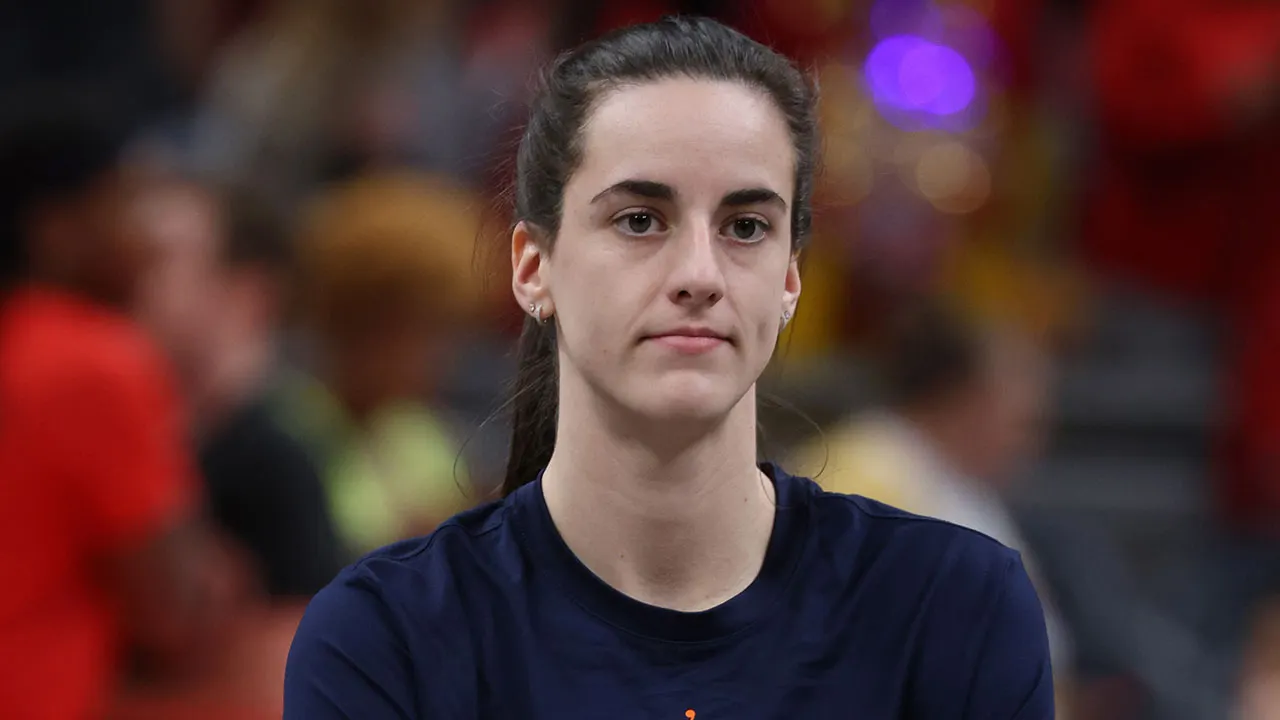
Caitlin Clark Calls for Reform: Should College Transfers Face a Year-Long Sit-Out?
In the realm of college athletics, few discussions stir as much passion and controversy as the topic of player transfers. Recently, Caitlin Clark, the star player for the Iowa Hawkeyes, has made headlines by advocating for a year-long sit-out period for college athletes who choose to transfer. In her view, this measure is essential to combat what she describes as ‘egregious’ recruiting practices that undermine the integrity of college sports. This bold stance invites a deep dive into the implications of transfer rules, the nature of college recruiting, and the overall fairness of the system.
The Current Landscape of College Transfers
The landscape of college athletics has changed dramatically over the last couple of decades. The NCAA has loosened its transfer rules, allowing athletes more freedom to change schools without facing penalties. As a result, the number of student-athletes transferring has skyrocketed. For instance, the NCAA reported that in the 2020-2021 academic year, there were over 2,800 Division I men’s basketball transfers, a significant increase from previous years.
While this newfound freedom has been celebrated for providing athletes with more choices, it has also sparked concerns about the competitive balance and the potential for abuse of the system. With players transferring more frequently, some argue that it creates instability within programs and fosters a culture where loyalty is less valued.
Caitlin Clark’s Perspective on Recruiting Practices
Caitlin Clark’s call for reform stems from her observations of the recruiting landscape. She has characterized certain recruiting practices as ‘egregious,’ suggesting that some coaches may exploit the transfer system to build super teams, often at the expense of the athletes’ well-being and the integrity of college sports. Clark argues that unrestricted transfers enable a ‘win-at-all-costs’ mentality that can lead to negative consequences for both players and programs.
Clark’s experience as a top-tier athlete puts her in a unique position to speak on these issues. Having risen to stardom in college basketball, she has witnessed firsthand the pressures associated with recruitment and transfers. Her advocacy for a year-long sit-out period reflects a desire to foster a more equitable playing field where athletes can make informed decisions about their futures without feeling rushed or coerced.
Analyzing the Proposed Year-Long Sit-Out
The idea of implementing a year-long sit-out for transferring athletes is a controversial one. Proponents argue that this measure would:
- Encourage Commitment: A sit-out period could promote loyalty to programs, encouraging athletes to stick with their initial commitments.
- Reduce Recruitment Pressure: By requiring players to sit out, programs may be less inclined to engage in aggressive recruitment, allowing athletes more time to adjust and evaluate their options.
- Protect Athlete Well-being: A pause could provide student-athletes with the opportunity to reflect on their decision and ensure it aligns with their long-term goals.
However, there are also significant arguments against this proposal:
- Limiting Freedom: Imposing a sit-out period may infringe on the rights of athletes to choose their educational and athletic paths freely.
- Potential for Negative Consequences: For some athletes, a year-long wait could hinder their development and impact their future career prospects.
- Increased Pressure on Coaches: Coaches may face pressure to keep their players from transferring, leading to a more toxic environment.
As the debate unfolds, it’s essential to consider the potential ramifications of such a policy change on the student-athlete experience.
Balancing Fairness and Integrity in College Sports
At the heart of Caitlin Clark’s advocacy is a desire for fairness and integrity in college athletics. The NCAA has a responsibility to create an environment where all athletes can thrive, and this includes establishing clear and fair transfer policies. The question becomes, how can the NCAA balance the interests of student-athletes, coaches, and programs?
One potential solution could be to introduce a hybrid model that addresses both sides of the argument. For instance, allowing transfers but implementing a shorter sit-out period, such as one semester, could strike a balance between athlete freedom and program stability. Additionally, enhancing support systems for athletes during the transition could help mitigate the negative impacts of transferring.
The Broader Impact on College Athletics
The discussion surrounding Caitlin Clark’s call for reform goes beyond just basketball. It touches on the larger issues of athlete rights, institutional loyalty, and the commercialization of college sports. As college athletics continue to evolve, it’s crucial to consider how changes in transfer policies can impact the broader ecosystem.
Moreover, the conversation encourages a reevaluation of the role of coaches and athletic departments. Coaches must not only focus on winning but also prioritize the well-being and development of their players. A culture of mentorship and support can help create an environment where athletes feel valued and respected, regardless of their transfer decisions.
Conclusion: A Call for Thoughtful Reform
Caitlin Clark’s advocacy for a year-long sit-out for college transfers is a bold and thought-provoking stance that raises important questions about fairness and integrity in college athletics. As the landscape continues to shift, it is vital for stakeholders—including athletes, coaches, and administrators—to engage in open dialogue about the future of transfer policies. The goal should be to create a system that respects the rights of student-athletes while promoting a healthy and competitive environment. Ultimately, thoughtful reform can help ensure that college sports remain a valuable and enriching experience for all involved.
As we navigate these complex issues, the insights from players like Caitlin Clark will be invaluable in shaping a fair and equitable future for college athletics.
See more Highlights Daily


