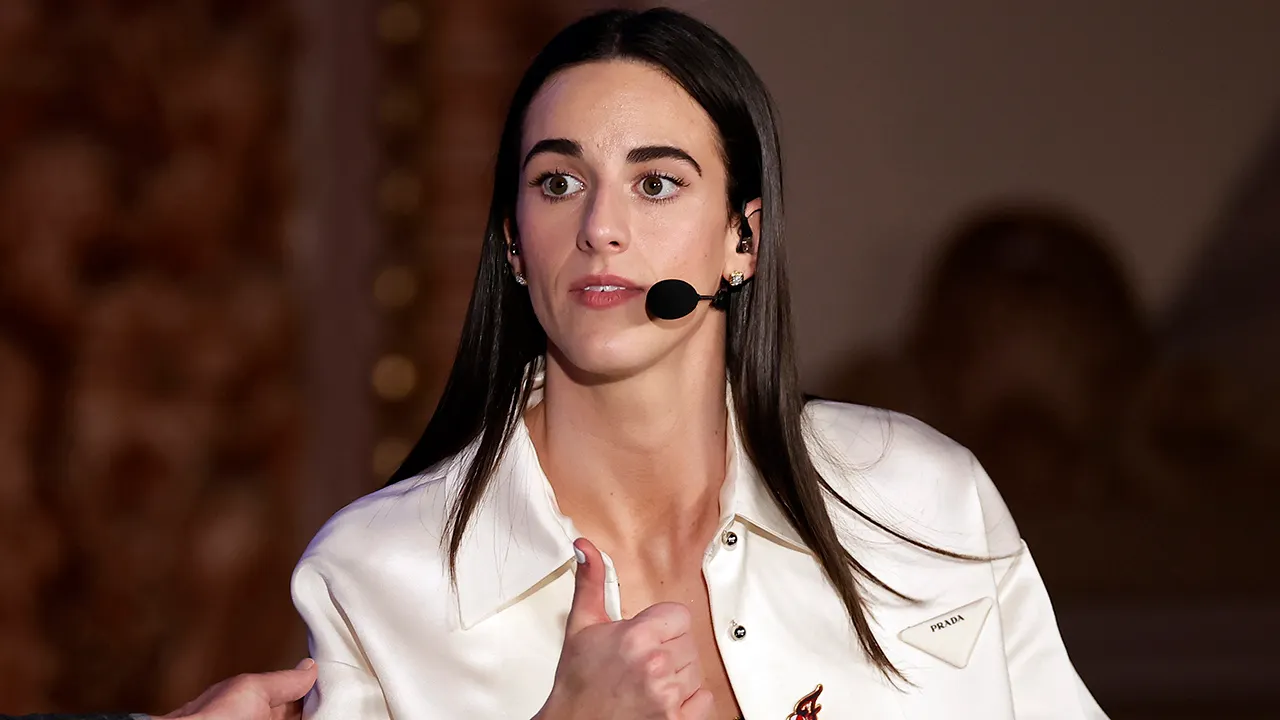
Caitlin Clark Advocates for Olympic Break in WNBA: A Necessary Pause for Players
In the world of women’s basketball, few names have resonated as strongly as Caitlin Clark. The Iowa standout has not only made headlines for her exceptional skills on the court but has also emerged as a powerful voice advocating for the well-being of players transitioning from college basketball to the WNBA. One of her most compelling arguments centers around the necessity of an Olympic break in the WNBA season, a pause that she believes is crucial for player health, performance, and overall career longevity.
The Transition from College to Professional Basketball
The leap from college basketball to the professional ranks is a daunting one. Players often face a whirlwind of challenges, from adapting to a faster pace of play to managing the demands of a more rigorous schedule. Caitlin Clark, having experienced this transition firsthand, stresses the need for a structured break during the WNBA season. Such a break would not only provide players the time to adjust but also help mitigate the physical and mental toll that constant competition can impose.
The Importance of Player Health
Player health is a growing concern in all sports, and basketball is no exception. Athletes are under immense pressure to perform at high levels consistently, which can lead to burnout and injuries. Clark believes that a scheduled Olympic break in the WNBA would serve several purposes:
- Recovery Time: A break would allow players to recover from any minor injuries and fatigue, reducing the risk of long-term issues.
- Mental Health: Continuous play without breaks can lead to mental exhaustion. Time off allows players to recharge psychologically, enhancing their performance when they return.
- Adjustment Period: New players coming from college need time to adapt to the professional game’s pace and style, and a break would facilitate this adjustment.
A Closer Look at the WNBA Schedule
The WNBA season is typically packed, with teams playing in rapid succession. This compact schedule, while exciting for fans, can be grueling for players. Clark’s proposal for an Olympic break would involve restructuring the current calendar to create a dedicated hiatus, allowing players to reflect, rest, and prepare for the second half of the season. This adjustment could mirror practices in other professional leagues, where breaks are integrated to ensure player welfare.
Benefits Beyond the Players
Implementing a scheduled break could have far-reaching benefits beyond the players. For teams and the league as a whole, a well-rested roster means better performance and fewer injuries, leading to a more competitive and entertaining product on the court. Moreover, it could enhance fan engagement as players return refreshed and ready to perform at their best.
Industry Reactions and Support
Caitlin Clark’s advocacy for this Olympic break has garnered support from various quarters within the basketball community. Coaches, former players, and sports analysts have weighed in, recognizing the merit of her argument. They echo her sentiments regarding player health and the need for a sustainable model that prioritizes athletes’ well-being.
For instance, former WNBA star and current coach, Lisa Leslie, has been vocal about the physical demands placed on female athletes. Leslie points out that while the league has made significant strides in promoting women’s basketball, it must also evolve to protect its players. She emphasizes that “the longevity of our athletes should be a priority as we grow the game.”
Potential Challenges in Implementing a Break
While the idea of an Olympic break in the WNBA has many benefits, it’s not without challenges. The league must consider the following:
- Scheduling Conflicts: Finding a suitable time for a break that doesn’t conflict with other basketball events can be tricky.
- Financial Implications: A pause in the season could affect revenue streams, from ticket sales to broadcasting rights.
- Player Commitment: Not all players may participate in Olympic events, so the league must consider how to accommodate those who do and those who do not.
Looking to the Future
Caitlin Clark’s advocacy for an Olympic break in the WNBA represents a broader conversation about athlete welfare and the evolution of women’s sports. As the league continues to grow and attract more attention, initiating discussions around player health and performance is paramount. By prioritizing these factors, the WNBA can set a precedent for other leagues, showcasing a commitment to its athletes’ well-being.
In a sport where physicality and endurance are key, creating a more sustainable model could lead to a higher level of play and extend players’ careers. Clark’s insights shine a light on the need for balance in a demanding sport, emphasizing that even the best players require time to rest and recover.
Conclusion: A Call for Change
As Caitlin Clark continues to advocate for an Olympic break in the WNBA, her voice resonates with many who understand the challenges athletes face. By pushing for this necessary pause, she not only champions the cause of current players but also paves the way for future generations. It’s a call for change that reflects a growing understanding of what it means to be an athlete in today’s competitive landscape.
Ultimately, the success and longevity of the WNBA depend on the health and performance of its players. With champions like Caitlin Clark leading the charge, there is hope for a future where athlete welfare is prioritized, ensuring that the stars of women’s basketball can shine bright for years to come.
See more Highlights Daily


