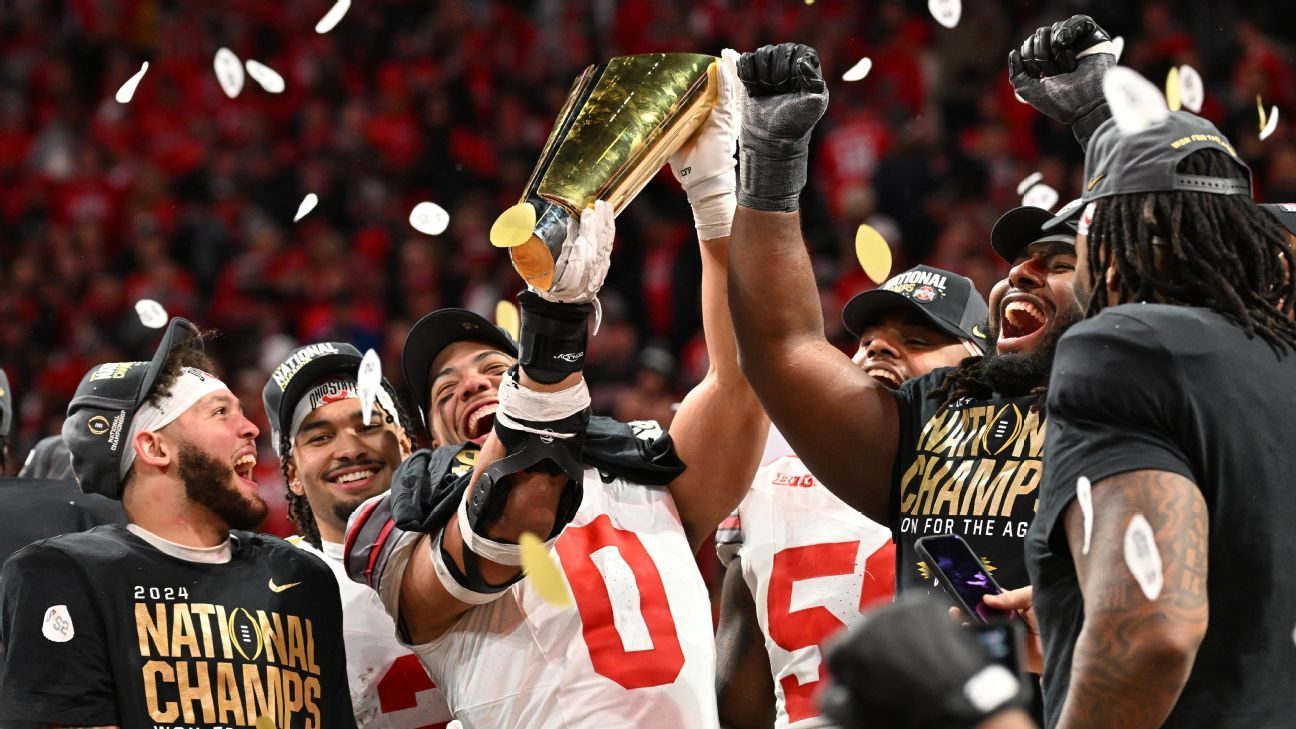
As college football gears up for its long-anticipated playoff expansion, stakeholders are bracing for a seismic shift in the landscape of the sport. The prospect of an expanded playoff system has sparked discussions on its implications for teams, fans, and the integrity of college football. In this exploration, we’ll delve into the challenges and opportunities that lie ahead as we navigate the future of college football.
The Rationale Behind Playoff Expansion
The current College Football Playoff (CFP) format, which features four teams, has faced criticism for its perceived exclusivity. Many argue that it favors a select group of powerhouse programs while marginalizing smaller conferences and deserving teams. The push for a playoff expansion primarily stems from the desire to create a more inclusive and competitive environment.
- Increased Participation: Expanding the playoff field allows more teams the chance to compete for the national championship, which can enhance the overall excitement of the season.
- Greater Revenue Opportunities: More playoff games can translate into increased ticket sales, advertising revenue, and heightened television viewership, benefiting universities and the NCAA alike.
- Enhanced Fan Engagement: With more teams in contention, fans are likely to become more invested in the playoffs, leading to a richer college football culture.
Challenges of Playoff Expansion
While the benefits of playoff expansion are enticing, several challenges must be addressed to ensure a smooth transition. These include:
- Scheduling Conflicts: An expanded playoff system may lead to congested schedules, impacting teams’ ability to compete effectively in their respective conferences.
- Player Safety: More games mean increased physical wear and tear on players, raising concerns about their health and safety.
- Maintaining Competitive Balance: Ensuring that the playoff system remains fair and competitive is crucial. There’s a risk that certain programs may still dominate, negating the intended inclusivity.
Opportunities for Teams and Conferences
The playoff expansion presents a myriad of opportunities for teams and conferences, particularly those from less prominent programs. Let’s consider some of these benefits:
- Spotlight on Emerging Programs: Teams from smaller conferences now have a legitimate path to national recognition. Schools like Cincinnati and Coastal Carolina have demonstrated that they can compete at a high level, and an expanded playoff could allow them to showcase their talents on a national stage.
- Recruitment Advantages: Increased visibility in the playoffs can enhance recruiting efforts, attracting top talent to programs that previously struggled to compete for elite players.
- Economic Benefits: Schools with playoff appearances can experience financial windfalls from increased merchandise sales, sponsorships, and alumni donations.
The Fans’ Perspective
For fans, playoff expansion promises a more thrilling and engaging experience. The excitement of watching more teams compete for a shot at the title can invigorate interest in college football. Fans often express dissatisfaction with the current system, feeling that it doesn’t adequately represent the true landscape of college football. An expanded playoff format can address some of these concerns:
- Increased Interest: More teams in the mix means more meaningful games late in the season, keeping fans engaged and excited.
- Rivalries Revived: Expanded playoffs could reintroduce classic rivalries and matchups that may not have occurred under the previous format.
- Community Engagement: Local communities can rally around their teams, fostering a sense of pride and unity that extends beyond the campus.
Maintaining the Integrity of College Football
As we navigate the future of college football with an expanded playoff system, maintaining the sport’s integrity is paramount. Ensuring that the focus remains on student-athletes and their academic commitments is essential in an age where commercialization can overshadow the core values of college sports.
- Balancing Academics and Athletics: It’s vital that the expanded playoff schedule does not interfere with student-athletes’ academic responsibilities. Universities must prioritize academic support systems to ensure players can succeed both on the field and in the classroom.
- Addressing the NIL Landscape: With the advent of Name, Image, and Likeness (NIL) rights, there’s a new dimension to consider. Universities and the NCAA will need to navigate these changes carefully to maintain competitive balance.
- Preserving Tradition: While change is necessary, it’s also important to honor the traditions that make college football unique, ensuring that they remain an integral part of the sport as it evolves.
Looking Ahead
The future of college football is undoubtedly bright, with playoff expansion offering a wealth of opportunities for teams, fans, and the sport as a whole. However, it’s crucial to approach this transition thoughtfully, addressing the challenges while maximizing the benefits. By fostering an inclusive, competitive environment, college football can enhance its appeal and continue to thrive in the ever-evolving landscape of sports.
As stakeholders come together to navigate this transition, the focus should remain on creating a system that reflects the spirit of college football—one that celebrates the passion of the game, the dedication of the players, and the loyalty of the fans. The journey ahead promises to be exciting, and with careful consideration and strategic planning, we can look forward to a future that honors the past while embracing the possibilities of tomorrow.
See more Highlights Daily


