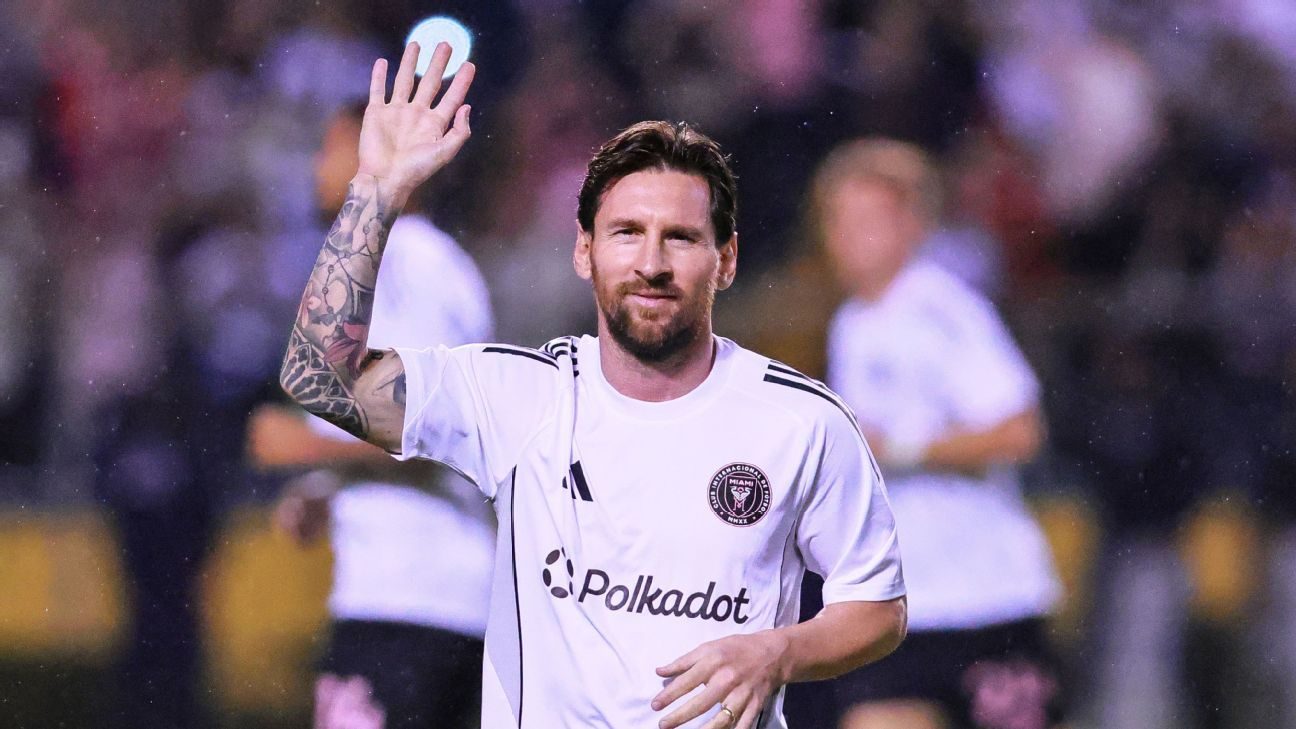
Concacaf Reschedules Miami-Sporting KC Clash Amid Storm Concerns
In a strategic decision, Concacaf has postponed the highly anticipated matchup between Miami and Sporting Kansas City to February 19 due to severe weather conditions. This move aims to ensure the safety of players and fans alike, reflecting the organization’s commitment to responsible event management. The decision underscores the growing importance of safety in sports, particularly as climate-related weather events become more frequent and unpredictable.
The Context of the Postponement
The clash between Miami and Sporting Kansas City was set to be a thrilling encounter in the Concacaf Champions League. Fans were eagerly looking forward to a showcase of talent and intense competition. However, as forecasts indicated an approaching storm with the potential for heavy rain and strong winds, Concacaf made the prudent choice to reschedule the match. This decision not only prioritizes the safety of everyone involved but also exemplifies the organization’s proactive stance in managing events under challenging circumstances.
Understanding the Impact of Weather on Sporting Events
Weather plays a crucial role in the scheduling and execution of sporting events. Inclement weather can turn a thrilling match into a dangerous situation. Here’s how severe weather can impact games:
- Player Safety: Heavy rain and storms can create slippery conditions on the field, increasing the risk of injuries.
- Fan Experience: Attending a match in bad weather can lead to a negative experience for fans, with potential safety hazards in the stands and around the venue.
- Game Integrity: Severe weather can alter the dynamics of the game, affecting player performance and the overall quality of the match.
By rescheduling the Miami-Sporting KC clash, Concacaf demonstrates a commitment to both player and fan safety, setting a precedent for how weather-related challenges should be handled in the future.
Concacaf’s Commitment to Safety
Concacaf, the governing body for soccer in North America, Central America, and the Caribbean, is known for its emphasis on safety and security during events. The decision to postpone the match showcases a broader trend within the organization to prioritize the well-being of players, staff, and supporters. This commitment is vital in maintaining the integrity of the sport and ensuring that fans can enjoy matches without undue concern for their safety.
Community Reactions and Expectations
The announcement of the rescheduled match date has garnered mixed reactions from fans. While many understand and support the decision, there is also a sense of disappointment among those who were looking forward to the original date. Here are some common sentiments expressed by fans:
- Support for Safety Measures: Many fans appreciated the precaution, recognizing that safety should always come first.
- Disappointment: Some expressed their frustration over the delay, especially those who had made travel plans for the original date.
- Excitement for Rescheduled Match: Regardless of the postponement, fans are still eager for the rescheduled clash, anticipating an exciting game in February.
As the new date approaches, anticipation is likely to build, and fans will rally behind their teams, creating an electrifying atmosphere for the match.
Broader Implications for Sporting Events
This incident highlights a crucial issue in the world of sports: the impact of climate change on event planning. As severe weather events become more common, sports organizations must develop strategies to address these challenges. Here are some implications to consider:
- Event Planning: Organizers will need to incorporate weather forecasts and climate models into their planning processes, ensuring they have contingency plans in place.
- Infrastructure Improvements: Stadiums and venues may need enhancements to deal with extreme weather, such as improved drainage systems and weather-resistant materials.
- Fan Communication: Clear communication with fans about potential weather-related changes is essential to maintain trust and ensure safety.
As Concacaf navigates this evolving landscape, it can serve as a model for other sports organizations grappling with similar challenges.
The Road Ahead for Miami and Sporting KC
Looking ahead, both Miami and Sporting Kansas City will have the opportunity to regroup and prepare for their upcoming match. For Miami, this may mean strategizing on player fitness and performance after a brief hiatus. Sporting KC will also have time to assess their lineup and make any necessary adjustments. Here’s what to watch for in the lead-up to the rescheduled game:
- Player Health: Teams will evaluate their players’ conditions to ensure they can field their best squad.
- Tactical Adjustments: Coaches may take this time to refine their tactics in response to the opponent’s strengths and weaknesses.
- Fan Engagement: Both clubs will likely ramp up their engagement efforts to excite fans about the new date and draw attention to the match.
The rescheduled Miami vs. Sporting KC clash promises to be a thrilling encounter, with both teams eager to prove their mettle on the field. As fans look forward to this showdown, the emphasis on safety and responsible event management will remain at the forefront.
Conclusion
In conclusion, the rescheduling of the Miami-Sporting KC clash by Concacaf due to storm concerns is a testament to the organization’s commitment to safety and responsible event management. As sports organizations face increasing challenges related to weather, this decision serves as a model for future practices. Fans, players, and officials alike will benefit from a focus on safety, ensuring that matches can be enjoyed without fear of potential hazards. As February 19 approaches, excitement will build, and the anticipation for a thrilling match will only grow.
See more Highlights Daily


