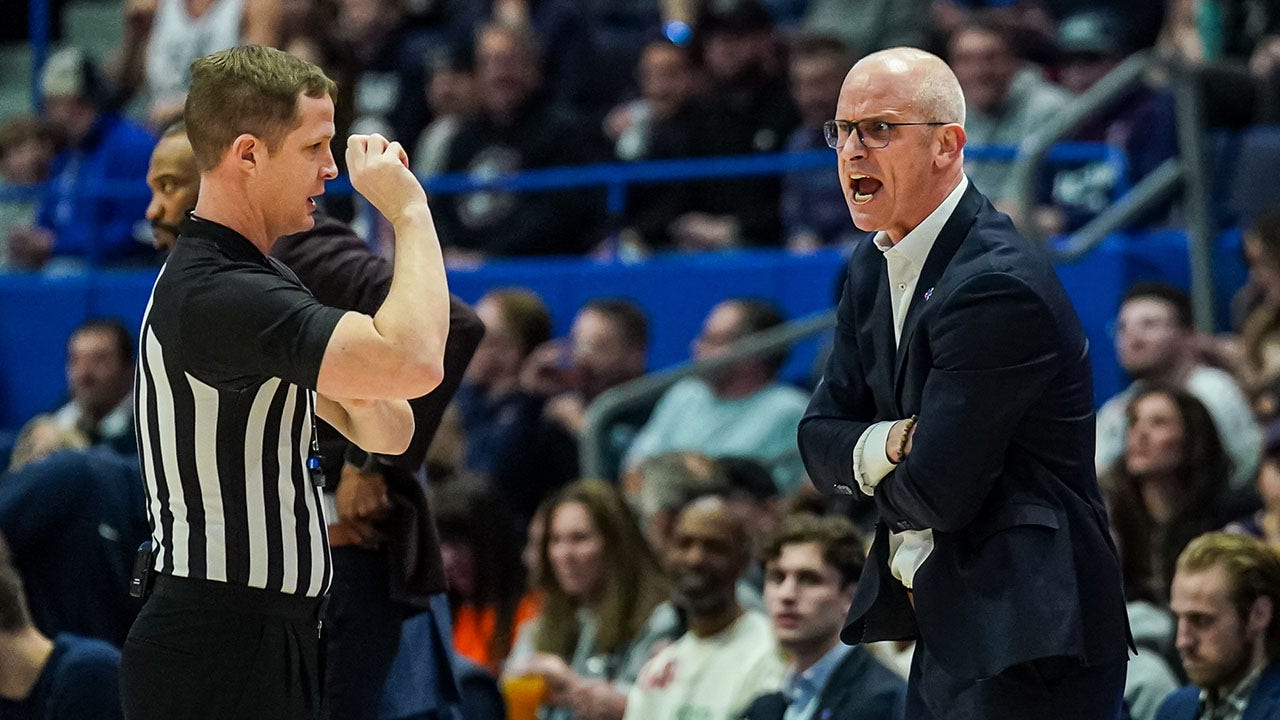
UConn’s Dan Hurley Faces Media Onslaught: Understanding His Strategic Response
As the head coach of the University of Connecticut’s men’s basketball team, Dan Hurley finds himself increasingly in the spotlight, especially during challenging seasons or moments of public scrutiny. Recently, Hurley has faced an intense media onslaught that demands both quick thinking and strategic prowess. This article delves into how Hurley employs misdirection and other tactics to deflect criticism while keeping team morale high. By examining the intricate strategies that coaches like Hurley use, we can gain a deeper understanding of the pressures they face and the methods they utilize to navigate these challenges.
The Nature of Media Scrutiny
In today’s world, media scrutiny can come from various sources, including sports commentators, social media platforms, and dedicated sports journalists. For coaches, this scrutiny can be relentless, especially in high-stakes environments like UConn, where basketball is more than just a game—it’s a tradition. Hurley’s ability to handle this pressure is a testament to his experience and understanding of the media landscape.
- Public Expectations: UConn has a storied basketball history, creating high expectations from fans and alumni.
- Media Dynamics: With the rise of social media, coaches are often second-guessed in real-time.
- Fan Engagement: Coaches must balance public opinions while ensuring their players remain focused on their performance.
Strategic Misdirection: A Key Tactic
One of Hurley’s most effective strategies in dealing with media scrutiny is the use of strategic misdirection. By redirecting the focus away from the immediate criticisms, he can maintain a level of control over the narrative. Here’s how he does it:
- Highlighting Team Achievements: Rather than dwelling on recent losses or poor performances, Hurley often emphasizes the positive aspects of his team. This includes celebrating individual player milestones or team cohesion.
- Focusing on Future Goals: By shifting the conversation toward upcoming games and objectives, he keeps the media and fans looking forward rather than backward.
- Utilizing Humor: A well-timed joke can diffuse tension. Hurley is known for his ability to inject humor into serious conversations, making the media less critical and more engaged.
Maintaining Team Morale Amidst Pressure
For a coach like Dan Hurley, keeping team morale high is just as important as managing media narratives. He employs several techniques to ensure his players remain focused and motivated:
- Open Communication: Hurley fosters an environment where players feel comfortable voicing their concerns. This transparency helps to alleviate anxiety stemming from external pressures.
- Team Bonding Activities: Engaging in team-building exercises can strengthen relationships among players, which is crucial during tough times.
- Positive Reinforcement: Recognizing and rewarding progress, no matter how small, helps build confidence within the team.
The Role of Media Training
To effectively manage media interactions, coaches often undergo media training. Hurley is no exception. This training equips him with the skills necessary to handle tough questions and navigate challenging interviews. Key components of media training include:
- Preparedness: Anticipating questions and preparing thoughtful responses can prevent coaches from being caught off guard.
- Key Messaging: Establishing clear messages to communicate during interviews ensures that the narrative stays aligned with team goals.
- Body Language Awareness: Understanding the impact of non-verbal communication can greatly influence how messages are received.
Building Relationships with the Media
One of the most effective ways Hurley can mitigate criticism is by cultivating strong relationships with the media. A positive rapport can lead to more favorable coverage and a better understanding of the team’s perspective. Here are some strategies that can help coaches build these relationships:
- Transparency: Being open about team strategies and player development can foster trust.
- Accessibility: Regularly engaging with media outlets can create a more favorable environment for communication.
- Respect for Journalists: Treating journalists with respect can lead to more balanced reporting.
Conclusion: A Masterclass in Response Strategy
UConn’s Dan Hurley exemplifies how a head coach can effectively navigate the turbulent waters of media scrutiny. By employing strategic misdirection, maintaining team morale, and building solid relationships with the press, he lays the groundwork for a resilient team culture. Coaches across all sports can learn from Hurley’s approach, recognizing that the pressures of public scrutiny are universal. As he continues to lead his team, fans can expect to see not just a skilled tactician on the court, but also a master of communication off of it.
Ultimately, the challenges faced by coaches like Hurley highlight the complex interplay between sports, media, and public perception. As Hurley continues to adapt and evolve, his strategies will undoubtedly serve as a valuable case study for future generations of coaches.
See more Highlights Daily


