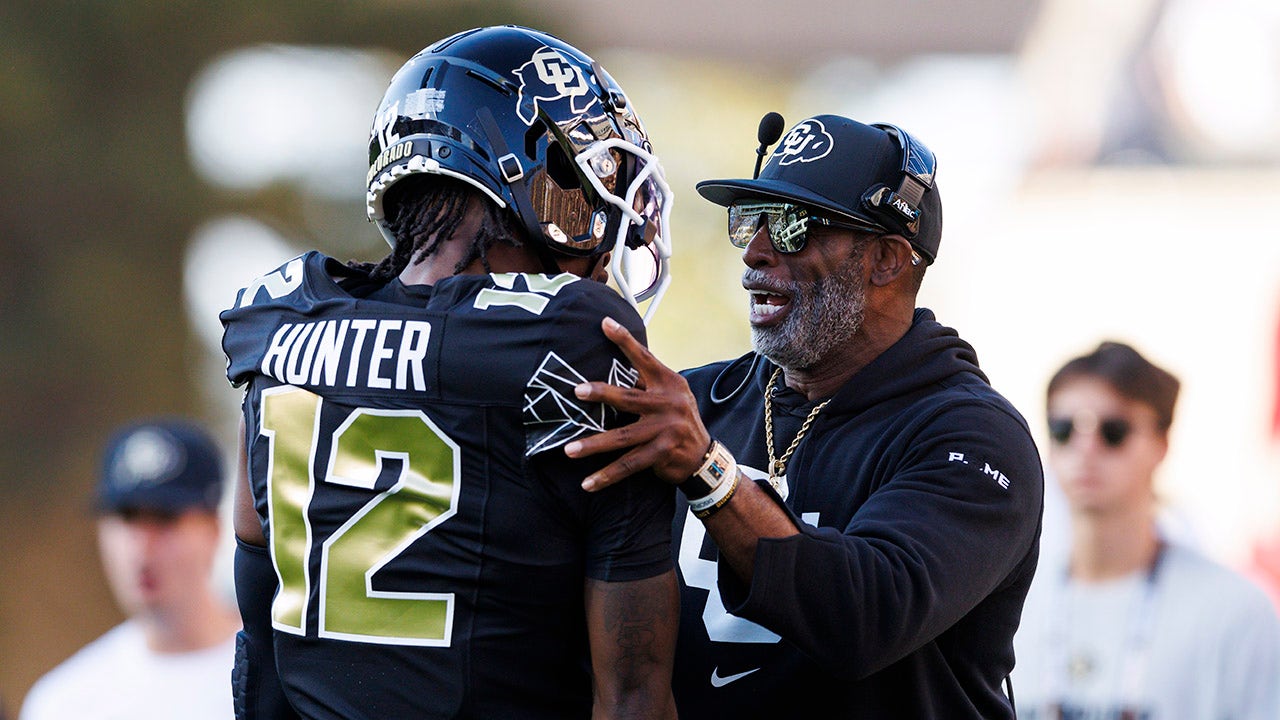
Deion Sanders Calls Out Travis Hunter Over Social Media Silence
In a surprising turn of events, Deion Sanders has publicly criticized his star player, Travis Hunter, for stepping back from social media in the wake of negative comments directed at his fiancée. This incident has ignited discussions about athlete accountability, the role of social media in sports, and the impact of online discourse on personal and professional lives. As the sports world turns its attention to this unfolding drama, it’s essential to analyze the broader implications of Sanders’ remarks and Hunter’s social media strategy.
The Background of the Controversy
Travis Hunter, a standout athlete and a key player for the Colorado Buffaloes, has been making headlines not just for his performance on the field but also for his active presence on social media. However, in recent weeks, he has faced a deluge of negative comments related to his fiancée, prompting him to pull back from social media interactions. This decision has raised eyebrows, especially among fans and analysts who closely follow the dynamics of athlete engagement in the digital age.
Deion Sanders, the head coach of the Buffaloes and a legendary figure in both college and professional football, did not hold back in addressing Hunter’s silence. During a press conference, Sanders emphasized the importance of athletes standing firm in the face of adversity and using their platforms responsibly. He asserted, “In this game, you can’t just retreat when things get tough. You have to face it head-on.” This statement not only reflects Sanders’ coaching philosophy but also raises questions about the expectations placed on young athletes in the public eye.
Social Media’s Double-Edged Sword
Social media can be a powerful tool for athletes. It allows them to connect with fans, promote their brand, and express their thoughts. However, it also exposes them to scrutiny and criticism. For young athletes like Travis Hunter, this duality can be overwhelming. The noise of social media can lead to mental fatigue, and the pressure to respond to every comment can be daunting.
- Connection with Fans: Social media enables athletes to build a rapport with their fan base, share personal milestones, and promote their achievements.
- Criticism and Trolls: Unfortunately, negativity is part of the package. Comments about personal life, especially regarding family and relationships, can be particularly hurtful.
- Brand Management: Athletes are now brands unto themselves, and managing that brand online is crucial for endorsements and public perception.
In the case of Hunter, the negative comments directed at his fiancée were not just a passing issue; they struck at the core of his personal life. While stepping back from social media might seem like a reasonable response, it also raises questions about how athletes manage their mental health and public image.
Deion Sanders’ Expectations of Accountability
Deion Sanders’ comments highlight a critical aspect of athlete accountability. As a mentor, he likely feels a responsibility to guide his players through the complexities of fame. By publicly addressing Hunter’s silence, Sanders is sending a message: athletes must not only excel on the field but also navigate the tumultuous waters of public life with resilience and grace.
In the world of sports, accountability can manifest in various forms:
- On-field performance: Athletes are expected to deliver results and contribute to their team’s success.
- Off-field behavior: Maintaining a positive public image is as crucial as athletic performance.
- Social media presence: Engaging with fans and addressing criticism is part of being a modern athlete.
Sanders’ call for Hunter to be more vocal and engaging online underscores the expectations that come with being a high-profile athlete. However, it also raises the question of whether these expectations are fair, especially for young individuals still maturing in their personal lives.
The Impact of Online Discourse on Mental Health
One of the most pressing issues in the current sports landscape is the impact of online discourse on athletes’ mental health. The constant barrage of comments, both positive and negative, can take a toll on an athlete’s psyche. Studies have shown that athletes are at a higher risk for mental health issues, and social media can exacerbate these challenges.
For Travis Hunter, the decision to withdraw from social media may have been a necessary step to protect his mental well-being. It’s essential to recognize that mental health is just as important as physical health in sports. Coaches, teams, and fans must create an environment where players feel safe to express their struggles and seek help when needed.
Moving Forward: A Balanced Approach to Social Media
As the conversation around Deion Sanders and Travis Hunter continues, it’s crucial to consider how athletes can strike a balance between their public personas and personal lives. Here are some strategies for athletes navigating the complexities of social media:
- Set Boundaries: Athletes should establish clear boundaries regarding their social media use, including when to engage and when to step back.
- Focus on Positivity: Engaging with supportive fans and ignoring trolls can help create a more positive online experience.
- Seek Support: Athletes should feel empowered to seek support from coaches, teammates, and mental health professionals when facing online pressures.
Ultimately, the incident involving Deion Sanders and Travis Hunter serves as a reminder of the challenges athletes face in the modern age. While Sanders’ call for Hunter to be more active on social media may come from a place of mentorship, it’s essential to recognize the complexities and pressures that young athletes endure.
Conclusion
In the realm of sports, where public scrutiny is a constant companion, the balance between personal well-being and professional expectations is delicate. Deion Sanders’ public criticism of Travis Hunter over his social media silence amid controversy underscores the need for open conversations about mental health, accountability, and the role of social media in an athlete’s life. As fans, coaches, and teammates, it’s crucial to support athletes as they navigate these challenges, fostering an environment where they can thrive both on and off the field.
See more Highlights Daily


