ESPN’s Controversial Coverage: The Fallout from the Sugar Bowl After the New Orleans Attack
In the aftermath of a tragic terror attack in New Orleans, ESPN’s decision to adjust its coverage of the Sugar Bowl has ignited heated discussions across various media platforms and among fans. The network’s choice to omit the national anthem and the customary U-S-A chants during the broadcast has raised questions about the role of sports media in times of crisis and the implications of such editorial decisions. This article explores the events surrounding the Sugar Bowl, the reactions from fans and commentators, and the broader implications of ESPN’s coverage choices.
The Context of the New Orleans Attack
On a seemingly routine day, New Orleans was rocked by an unexpected and devastating terror attack that left the community in shock. The incident not only heightened security concerns but also cast a shadow over the upcoming Sugar Bowl, a prominent college football event that attracts thousands of fans and garners national attention. In the wake of such a tragedy, sports events often become venues for collective mourning and solidarity, where national symbols like the anthem and chants take on profound significance.
What Happened During the Sugar Bowl?
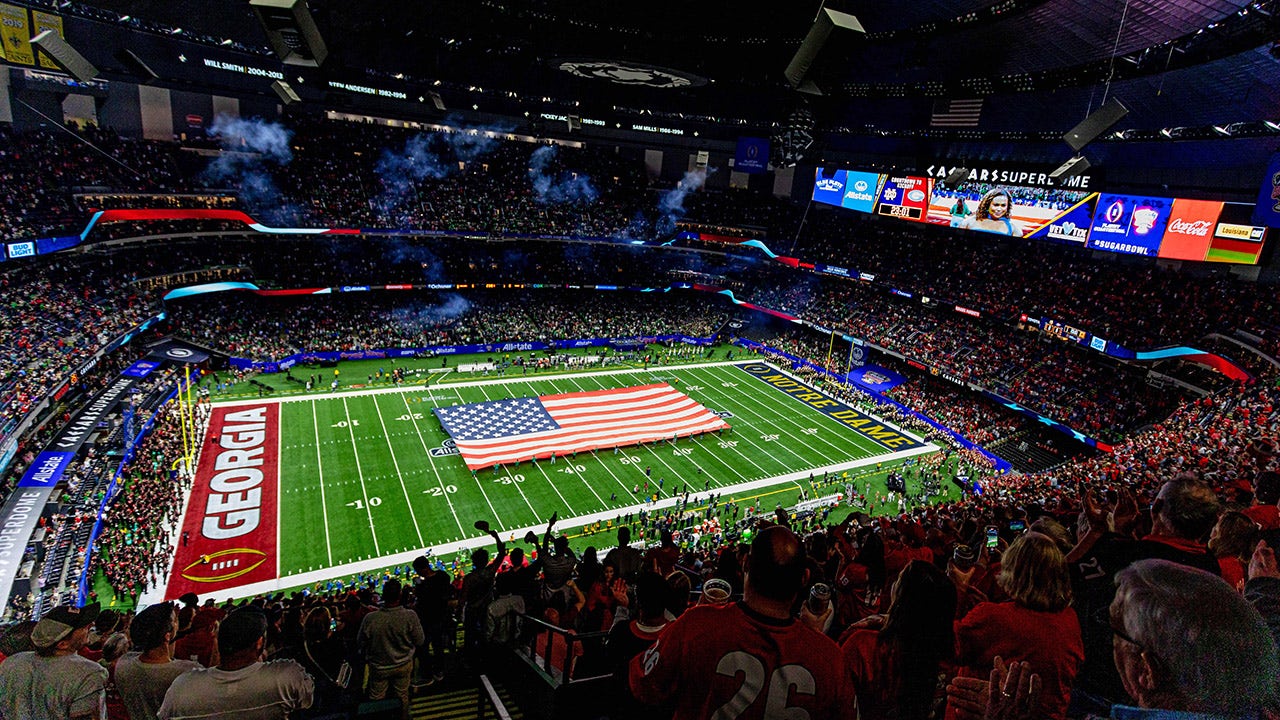
As the Sugar Bowl unfolded, viewers across the country tuned in, expecting to witness the usual pre-game rituals. However, ESPN made the controversial decision to skip the national anthem, a time-honored tradition that typically serves as a patriotic moment of unity. The absence of this iconic display raised immediate eyebrows, and social media platforms erupted with reactions, some praising the decision as a respectful nod to the recent tragedy, while others condemned it as an unnecessary political statement.
Reactions from Fans and Commentators
The reactions to ESPN’s coverage were as polarized as the nation itself. Many fans voiced their disappointment and confusion over the omission of the national anthem. For them, the anthem is not merely a song; it is a symbol of national pride and resilience. A significant portion of viewers felt that bypassing this moment disrespected the very essence of American sports culture.
- Support for the Omission: Some commentators supported ESPN’s decision, arguing that it was an appropriate response to the somber events unfolding in New Orleans. They contended that sports should sometimes take a back seat to social responsibility, particularly in the face of tragedy.
- Criticism of the Decision: On the other hand, many criticized the network, suggesting that bypassing the anthem was a missed opportunity to unite viewers in a moment of collective mourning. Critics argued that the anthem could have served as a rallying point, promoting healing and solidarity in a time of need.
The Broader Implications of ESPN’s Choices
ESPN’s coverage choices during the Sugar Bowl reflect a growing trend in sports media where the line between entertainment and social commentary becomes increasingly blurred. The decision to omit the national anthem raises several important questions:
- What role should sports media play in times of national crisis? Should networks prioritize sensitivity over tradition, or is maintaining sporting rituals essential for national unity?
- Are networks like ESPN prepared to handle the backlash from their decisions? With the advent of social media, the repercussions of such choices can be immediate and far-reaching, leading to boycotts and public outcry.
- How do these decisions affect the relationship between fans and the sport? Understanding fans’ emotional investments and their expectations is crucial for networks as they navigate these complex scenarios.
Historical Precedents in Sports Coverage
The omission of traditional elements like the national anthem is not unprecedented in sports broadcasting. Over the years, various networks have faced scrutiny for their editorial choices during major events. For instance, after the September 11 attacks, many sports broadcasts included heightened patriotic displays, integrating the national anthem into the fabric of the event. This moment showcased how sports can serve as a powerful medium for national healing and solidarity.
Conversely, during moments of social unrest—such as the protests surrounding racial injustice—networks have had to grapple with the implications of their coverage decisions. In these instances, some have chosen to amplify voices calling for change rather than focusing solely on the game itself, illustrating the evolving nature of sports media.
Looking Forward: The Future of Sports Coverage
The events surrounding the Sugar Bowl and ESPN’s subsequent coverage decisions highlight a critical juncture in sports media. As the landscape continues to evolve, networks must navigate the delicate balance of tradition and sensitivity. Here are some potential pathways for the future:
- Enhanced Sensitivity Training: Networks could consider implementing training for their staff to better handle sensitive topics and understand the emotional landscape of their audience.
- Engaging with Fans: Establishing open forums for fan feedback could help networks gauge public sentiment and adjust their coverage accordingly. This dialogue could foster a stronger connection between fans and broadcasters.
- Adapting Traditions: As societal values shift, networks may need to adapt traditional practices to remain relevant and responsive to the audience’s needs.
Conclusion
ESPN’s controversial coverage choices during the Sugar Bowl following the New Orleans attack have ignited a significant debate about the role of sports media in contemporary society. The decision to omit the national anthem and U-S-A chants reflects a broader struggle between tradition and the need for sensitivity in times of crisis. As we move forward, it is essential for sports networks to recognize the emotional weight of their decisions and strive for a balance that honors both the spirit of sports and the sentiments of their audience.
Ultimately, the conversation surrounding ESPN’s coverage is just one example of how deeply intertwined sports, media, and society have become. As we navigate these complex issues, it is crucial to engage in thoughtful discussions that honor the past while embracing the future of sports broadcasting.
See more Highlights Daily


