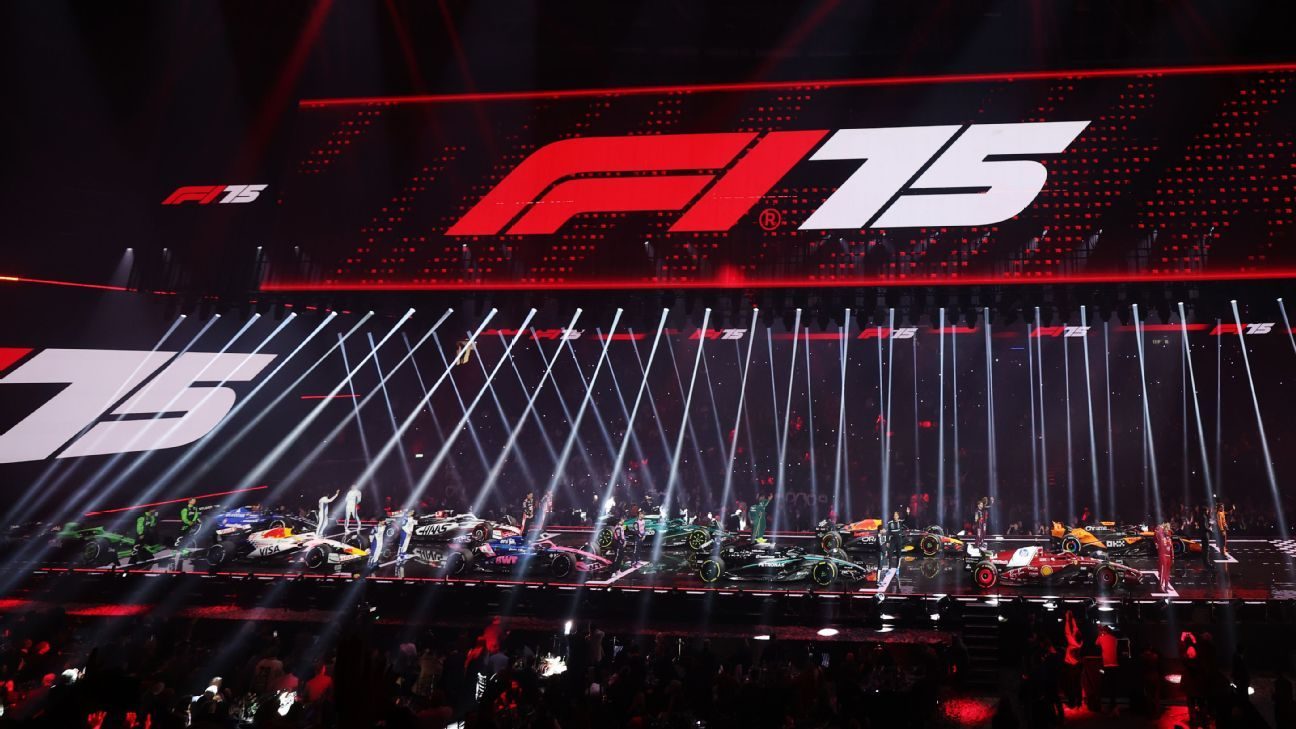
Inside F1 75: Unpacking Successes, Failures, and What Lies Ahead
The world of motorsport has witnessed a remarkable evolution, especially with the introduction of F1 75, a celebration of 75 years of Formula 1 racing. This landmark event has not only highlighted the rich history of the sport but also showcased its current challenges and future directions. In this article, we will delve into the successes and failures surrounding F1 75 and analyze the implications for the future of this iconic motorsport.
Successes of F1 75: A Milestone Celebration
F1 75 has been a significant milestone, marking three-quarters of a century of breathtaking racing, technological innovation, and unforgettable moments. Here are some of the notable successes associated with this event:
- Commemoration of Legacy: F1 75 brought together fans, teams, and legends to celebrate the sport’s illustrious history. Special events and exhibitions showcased legendary cars, and many former champions participated in parades, reigniting the nostalgia associated with iconic racers.
- Technological Showcase: The event served as a platform to exhibit cutting-edge technology in motorsport. Innovations in aerodynamics, safety features, and hybrid engines were highlighted, reflecting the sport’s commitment to sustainability and performance.
- Enhanced Fan Engagement: F1 75 focused on bringing fans closer to the action. Through interactive fan zones, merchandise, and live demonstrations, the event fostered a deeper connection between the sport and its followers, enhancing the overall experience.
- Global Reach: The celebration wasn’t confined to a single location. F1 75 extended its reach through digital platforms, allowing fans from around the globe to participate virtually, thus expanding the sport’s audience and inclusivity.
Failures and Challenges: Lessons Learned
While F1 75 achieved numerous successes, it was not without its challenges and failures. Here are some critical areas where the event fell short:
- Logistical Issues: Despite the grand scale of the event, organizing F1 75 proved to be a logistical challenge. Some fans faced difficulties in accessing events and experiences, leading to frustration and disappointment.
- Environmental Concerns: The motorsport industry has faced increasing scrutiny regarding its environmental impact. While F1 has made strides towards sustainability, some critics argued that the event did not go far enough in addressing these concerns, highlighting a need for more aggressive measures.
- Competitive Balance: The celebration also underscored ongoing issues within the sport regarding competitive balance. Concerns about team dominance and unequal resources were brought to light, prompting discussions about the need for reforms to ensure a more level playing field.
The Cultural Impact of F1 75
F1 75 was not just a motorsport event; it became a cultural phenomenon. It inspired a new generation of fans and players, emphasizing the importance of diversity and inclusion within the sport. The inclusion of various activities, such as music performances and art exhibitions, reflected the broader cultural relevance of Formula 1. This multicultural approach broadened the appeal of F1, bringing in fans from diverse backgrounds and interests.
Looking Ahead: What Lies Ahead for Formula 1?
The future of Formula 1 is bright, but it also faces significant challenges that need addressing to ensure sustainable growth and success. Here’s a look at what lies ahead:
Technological Advancements
As F1 embraces the future, technological innovation will play a crucial role. With the push towards sustainability, we can expect:
- Hybrid Power Units: The continued development of hybrid engines aims to reduce emissions while maintaining performance, ensuring that F1 remains at the forefront of automotive innovation.
- Data Analytics and AI: The utilization of AI and data analytics is set to revolutionize race strategies and car performance, enhancing both team competitiveness and fan engagement through real-time insights.
Regulatory Changes
To address competitive balance, regulatory changes are anticipated. The introduction of new rules aimed at leveling the playing field could include:
- Cost Cap Regulations: Enforcing stricter cost caps could help smaller teams compete more effectively, promoting a more competitive and exciting championship.
- Technical Regulations: Adjustments in technical regulations will be necessary to ensure that no single team can dominate, encouraging more varied and unpredictable races.
Enhancing Fan Experience
As we move forward, enhancing the fan experience will remain a top priority. This could involve:
- Virtual Reality Experiences: Immersive technologies such as VR could allow fans to experience the thrill of racing like never before, creating more interactive and engaging ways to connect with the sport.
- Increased Accessibility: Continued efforts to make F1 more accessible, both in-person and digitally, will be vital in maintaining and growing the fanbase.
Conclusion: A Bright Future for Formula 1
In conclusion, F1 75 was a significant celebration of the sport’s rich history, showcasing both its successes and challenges. As we look ahead, the future of Formula 1 appears promising, driven by technological advancements, regulatory reforms, and a renewed focus on fan engagement. The lessons learned from F1 75 will undoubtedly shape the trajectory of the sport, ensuring that it not only honors its past but also embraces the future with optimism and innovation.
As motorsport continues to evolve, the spirit of competition and the passion of its fans will remain at the heart of Formula 1, driving it forward into a new era.
See more Highlights Daily


