Introduction
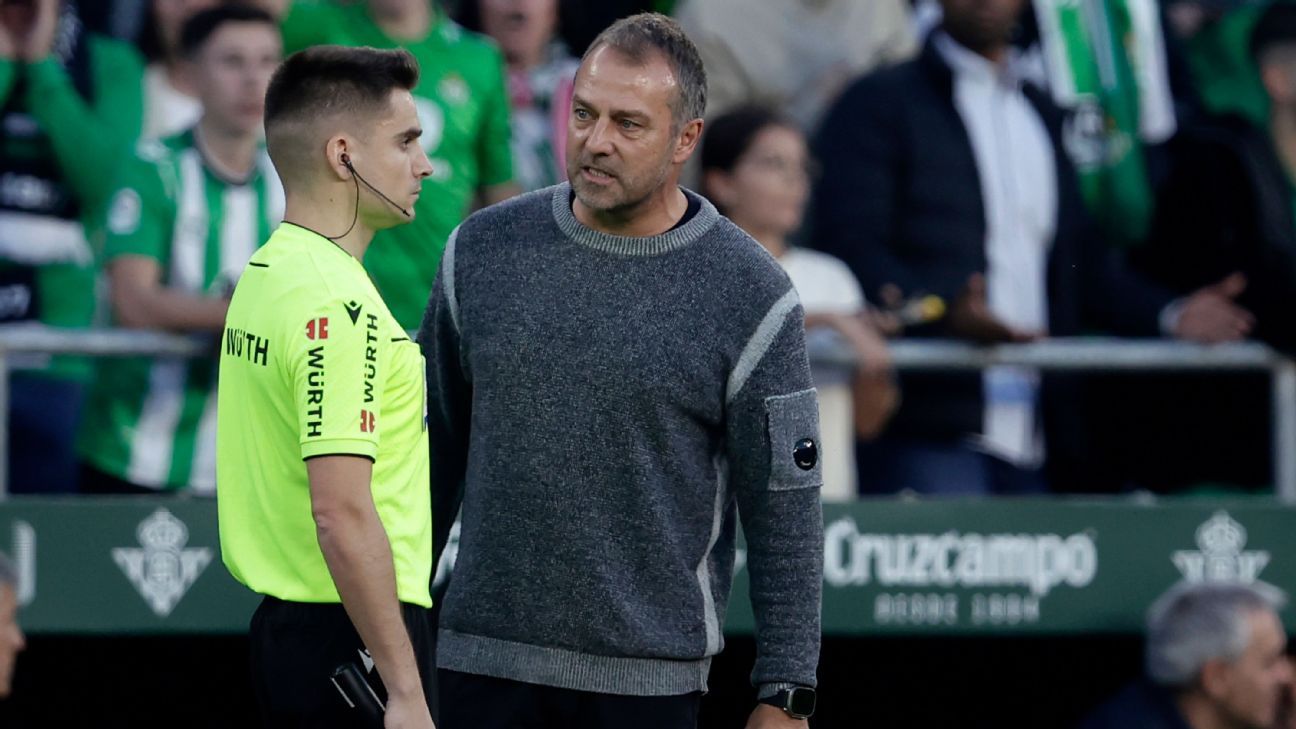
In a surprising turn of events, Hansi Flick, the head coach of FC Barcelona, has been handed a two-game suspension that has sparked widespread discussions about leadership and accountability in sports. Flick’s decision to publicly accept responsibility for his ban is commendable, yet it raises questions about how his absence will affect the team’s performance and morale. As Barcelona navigates this challenging period, the implications of Flick’s suspension extend beyond the pitch, touching on themes of leadership, team dynamics, and the expectations placed on modern coaches.
The Context of Hansi Flick’s Suspension
Hansi Flick’s suspension comes amidst a turbulent season for FC Barcelona, a club that has undergone significant changes in recent years. The team’s performance has been under scrutiny, and Flick’s leadership style has been both praised and criticized. The ban itself is a result of incidents that occurred during recent matches, but the specifics have been overshadowed by the broader implications of his leadership and the team’s accountability.
Understanding Leadership in Sports
Leadership in sports is not solely about tactical acumen or winning matches; it encompasses emotional intelligence, communication skills, and the ability to inspire and unite a diverse group of individuals. Flick’s acceptance of responsibility highlights a crucial aspect of effective leadership: accountability. By owning up to the situation, he sets a precedent for his players, demonstrating that accountability is essential for personal and collective growth.
Impact on Team Performance
Flick’s two-game absence poses a challenge for Barcelona as they face critical fixtures in their campaign. The immediate concern is how the team will adapt to his absence. Here are some key factors to consider:
- Coaching Continuity: Assistant coaches often step up during such absences, but whether they can replicate Flick’s tactical approach remains uncertain. The continuity of coaching philosophy is crucial for maintaining performance levels.
- Player Response: The players’ reaction to their coach’s suspension can significantly influence team dynamics. If they rally around the interim coach, it could lead to a period of resilience and improved performance.
- Motivation Levels: Flick’s acceptance of responsibility may serve as a motivational tool for players. It can foster a sense of unity and commitment to perform well in his absence.
Historical Precedents
Sports history is replete with examples of teams rallying together in the face of adversity. For instance, when coaches like Pep Guardiola or Jürgen Klopp faced suspensions or bans, their teams often responded with impressive performances, fueled by a desire to prove their worth. Barcelona fans will be hoping for a similar outcome during Flick’s absence.
Morale and Team Dynamics
The suspension of a head coach can have varying effects on team morale. Depending on the players’ perspectives and the dynamics established under Flick, the outcome may be positive or negative.
- Unity vs. Division: If players view Flick’s suspension as a collective challenge, it could strengthen bonds within the squad. Conversely, if there are divisions or factions among players, it could lead to a decline in morale.
- Interim Leadership: The choice of interim coach is crucial. A coach who can maintain a positive atmosphere and motivate players will be essential. If the interim coach lacks the respect of the players, it could lead to a dip in performance.
Communication and Transparency
Effective communication is vital during this transitional phase. Flick’s clarity in addressing his suspension will be crucial for maintaining trust within the squad. Transparency about the reasons behind the suspension and the expectations moving forward can help mitigate uncertainty and anxiety among the players.
Broader Implications for Barcelona
The repercussions of Flick’s suspension extend beyond immediate team performance. They touch on the broader issues facing FC Barcelona, including:
- Club Culture: Flick’s leadership style has been instrumental in shaping the club’s culture. How the team responds to his absence will reflect the strength of that culture and the values that the club upholds.
- Future Leadership: This situation may prompt discussions about the long-term vision for leadership at Barcelona. If Flick’s absence leads to significant challenges, it could trigger a reevaluation of coaching strategies and personnel.
- Fan Engagement: The reaction of the fanbase is also crucial. Supporters may rally behind the team during this challenging time, but dissatisfaction with leadership could lead to unrest. The club must manage relations with its fans carefully.
Conclusion
Hansi Flick’s two-game suspension is more than just a disciplinary action; it is a moment that tests the fabric of FC Barcelona as a club. The impact on team performance and morale will depend on how players and interim coaches respond to this challenge. Flick’s acceptance of responsibility is a powerful reminder of the importance of accountability in leadership. As the team looks to navigate this period, the lessons learned and the resilience shown may define their trajectory for the rest of the season.
Ultimately, it is a pivotal moment not just for Flick and the players, but for the entire Barcelona community. How they emerge from this situation could set the stage for future successes or setbacks, making it a defining chapter in the ongoing story of one of football’s most storied clubs.
See more Highlights Daily


