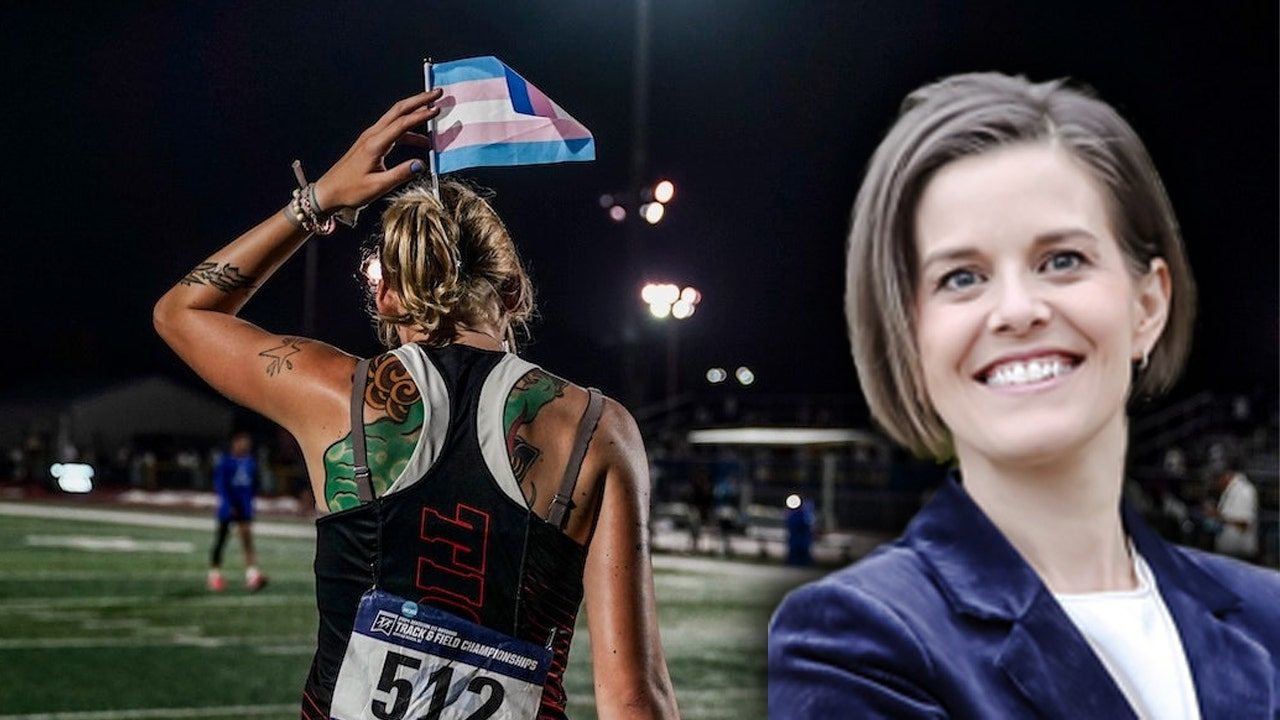
Maine Lawmaker Under Fire: The Controversy Surrounding Trans Athlete Recognition
The recent censure of Representative Laurel Libby by the Maine legislature has sparked a firestorm of debate regarding the inclusion of transgender athletes in women’s sports. This incident shines a spotlight on crucial issues of fairness, representation, and the evolving standards of competitive athletics. As society becomes increasingly aware of the complexities surrounding gender identity and sports, discussions like these are not just timely—they are essential.
The Incident: What Happened?
In a heated legislative session, Rep. Laurel Libby faced backlash for her vocal opposition to transgender athletes competing in women’s sports. The censure stemmed from her remarks, which many interpreted as discriminatory and harmful towards trans athletes. This has raised significant questions about the responsibilities of lawmakers to create an inclusive environment while ensuring fair competition.
Libby’s comments were part of a broader discussion on a bill aimed at protecting the rights of transgender individuals in sports. Her stance has drawn both support and condemnation, illustrating the deeply divided opinions on this topic. Supporters of Libby argue that her concerns are rooted in fairness for cisgender women athletes, while opponents claim that her rhetoric undermines the rights of transgender individuals.
Understanding the Controversy
The controversy surrounding trans athlete recognition is multifaceted, involving various factors such as:
- Fairness in Competition: Critics of transgender inclusion often cite concerns about physical advantages that trans women may have over cisgender women in sports. This is a pivotal argument that fuels the debate.
- Inclusion and Rights: Advocates for trans rights emphasize that sports should be inclusive and affirming for all, regardless of gender identity. They argue that excluding trans athletes is a form of discrimination.
- Scientific Perspectives: The scientific community offers differing views on the physiological aspects of transgender athletes, including the effects of hormone therapy on physical performance.
Fairness vs. Inclusion
The crux of the matter lies in the balance between maintaining fair competition and ensuring that all athletes are treated equitably. The National Collegiate Athletic Association (NCAA) and other governing bodies have implemented policies that allow transgender athletes to compete based on their gender identity, provided they meet specific hormone-related criteria. These policies aim to create a level playing field while acknowledging the rights of all athletes.
However, this approach has not silenced the critics. Many argue that the policies do not adequately address the inherent advantages that some transgender women might possess, particularly in strength and endurance sports. This debate continues to evolve as more data and research become available.
Perspectives from Various Stakeholders
To fully grasp the complexity of the issue, it’s crucial to consider the perspectives of different stakeholders involved:
- Athletes: Many cisgender female athletes express concerns about competing against transgender women, fearing it may undermine their opportunities for scholarships and titles. Conversely, trans athletes often emphasize that sports are a vital part of their identity and self-expression.
- Coaches and Administrators: Coaches are caught in a difficult position, tasked with navigating the evolving rules while fostering an inclusive team environment. Administrators must also consider the legal implications of their policies.
- Parents and Guardians: Parents of cisgender athletes often voice concerns about fairness, while parents of transgender athletes advocate for their children’s right to participate fully in sports.
Legal and Ethical Implications
The legal landscape surrounding transgender inclusion in sports is continually shifting. Various states have enacted laws either supporting or banning transgender athletes from competing in accordance with their gender identity. These laws often lead to legal challenges and public outcry, highlighting the ethical dilemmas faced by lawmakers.
For instance, the American Civil Liberties Union (ACLU) has been active in fighting against laws that they perceive as discriminatory. They argue that such regulations violate the rights of transgender individuals and do not reflect the principles of equality and inclusion that are fundamental to American values.
The Role of Education and Advocacy
Education plays a pivotal role in addressing the controversies surrounding trans athlete recognition. By fostering understanding and dialogue, stakeholders can work towards creating an environment where all athletes feel valued and respected. Advocacy groups are instrumental in this process, providing resources to educate coaches, athletes, and parents about gender identity and the importance of inclusivity.
Moving Forward: A Path to Resolution
As the debate continues, there are several potential pathways to resolution. Some possible approaches include:
- Policy Revisions: Sports governing bodies may need to revisit and revise their inclusion policies based on emerging scientific data, ensuring they reflect both fairness and inclusivity.
- Increased Research: More comprehensive research on the effects of hormone therapy and its impact on athletic performance could help inform policy decisions.
- Community Engagement: Engaging athletes, coaches, and parents in dialogue about these issues can foster understanding and respect for diverse perspectives.
Conclusion
The censure of Rep. Laurel Libby serves as a catalyst for a much-needed conversation about the intersection of gender identity and sports. While the controversy surrounding trans athlete recognition is fraught with challenges, it also presents an opportunity for growth, education, and advocacy.
As society grapples with these complex issues, it is essential to strive for a balance that honors the rights of all athletes while ensuring fair competition. The path forward may be complicated, but with ongoing dialogue and a commitment to understanding, it is possible to create a more inclusive environment for everyone in the world of sports.
See more Highlights Daily


