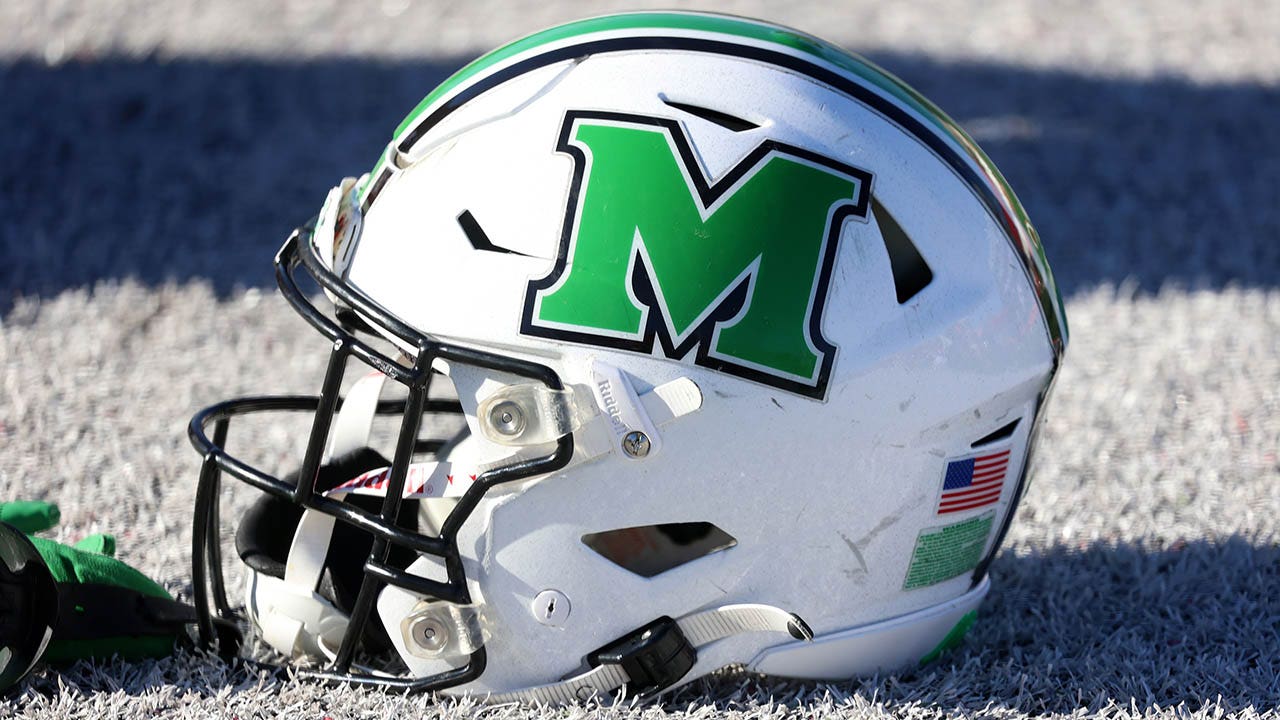
In a surprising turn of events, Marshall University has made the unprecedented decision to opt out of its upcoming bowl game. This bold move not only reflects the changing landscape of college athletics but also raises significant questions about player mobility, team integrity, and the future of postseason play in college football. As the NCAA transfer portal continues to reshape the dynamics of college rosters, Marshall’s decision serves as a critical case study in the evolving relationship between student-athletes and their institutions.
The Context of the Transfer Portal
The NCAA transfer portal has transformed college sports since its introduction in 2018. This system allows student-athletes to declare their intention to transfer from one institution to another, providing them with more control over their athletic careers. As a result:
- The frequency of player transfers has surged, with thousands of athletes entering the portal each year.
- Coaches and programs are forced to adapt to a more dynamic recruiting environment where retaining talent is as crucial as acquiring new players.
- This has led to a more competitive atmosphere, but also to instability within programs as players frequently leave for better opportunities or to find a more suitable fit.
Marshall’s decision to withdraw from the bowl game amidst the portal frenzy highlights the complexities and challenges that institutions face in this new era. The Thundering Herd’s coaching staff must now navigate a roster that may see significant changes as players weigh their options following the season.
Understanding Marshall’s Decision
Marshall’s choice to forgo bowl game participation is not merely a reaction to the transfer portal but a strategic decision to prioritize the long-term health of its football program. Several factors may have influenced this decision:
1. Focus on Player Development
By opting out of the bowl game, Marshall can concentrate on developing its existing players rather than diverting attention to preparing for a potentially low-stakes postseason game. This focus on player development can foster a more cohesive team environment, especially for younger athletes who might benefit from additional training and practice sessions without the distraction of a bowl game.
2. Financial Considerations
Bowl games can be financially beneficial for universities, offering exposure and revenue opportunities. However, if the expected benefits do not outweigh the costs associated with travel, logistics, and player safety, opting out becomes a practical choice. Marshall may have assessed that the potential for injuries or player departures in the wake of a bowl game does not justify the financial implications.
3. Addressing Team Morale and Cohesion
In a landscape where player retention is vital, Marshall’s decision could signal a commitment to team unity. With numerous players entering the transfer portal, maintaining morale and focus becomes essential. By stepping back from bowl game distractions, Marshall can reinforce its commitment to the players who choose to stay, fostering a culture of loyalty and dedication.
The Implications for College Athletics
Marshall’s decision to abstain from bowl participation may set a precedent for other programs facing similar dilemmas. As college athletics grapples with the implications of the transfer portal, several broader issues come to light:
1. Redefining Bowl Game Importance
Bowl games have historically been viewed as the pinnacle of a college football season. However, as more programs opt out or face player turnover, the significance of these games may diminish. Institutions may begin to prioritize player development and recruitment over postseason accolades, leading to a reevaluation of what constitutes success in college football.
2. Player Agency and Mobility
The increase in player mobility has empowered student-athletes, allowing them to make decisions that best suit their personal and professional aspirations. However, this empowerment also raises concerns about the stability of college programs. As players transfer more frequently, maintaining a strong team culture becomes challenging, potentially impacting performance both on and off the field.
3. The Future of NCAA Regulations
The NCAA may need to reassess its regulations surrounding transfers and bowl game participation. As the landscape changes, there is a pressing need for policies that balance player autonomy with the integrity of college programs. This could involve reevaluating transfer rules, scholarship limits, and the timing of player commitments to ensure a fair and competitive environment.
Exploring the Broader Impact on Student-Athletes
Marshall’s decision reflects a broader trend in college athletics where student-athlete welfare is becoming increasingly prioritized. Here are some potential impacts of this trend:
- Increased Support Systems: Colleges may need to enhance their support systems for athletes considering transfers, providing resources for mental health, academic counseling, and career development.
- Reassessment of Athletic Commitments: Student-athletes may reassess their commitments to programs, seeking environments that align more closely with their personal values and aspirations.
- Pressure on Coaches: Coaches may face increased pressure to retain talent, leading to a shift in recruitment strategies that emphasize building long-term relationships with players.
Conclusion: A Pivotal Moment for College Football
Marshall University’s decision to opt out of the bowl game amidst the tumult of the transfer portal signifies a pivotal moment in college athletics. As the landscape continues to evolve, institutions must navigate the complexities of player mobility, financial implications, and team cohesion. By prioritizing player development and morale over postseason appearances, Marshall may be setting a new standard for how programs approach their goals in an era where student-athlete empowerment is paramount.
Ultimately, the implications of this decision extend far beyond Marshall’s football program. It invites a broader discussion on the future of college athletics, the role of postseason play, and the ongoing negotiations between player agency and institutional integrity. As other programs observe Marshall’s bold move, the question remains: will this be the start of a new trend, or a unique response to the challenges of the current college sports climate?
See more Highlights Daily


