Legal Victory for MLS and USSF: A Turning Point in American Soccer
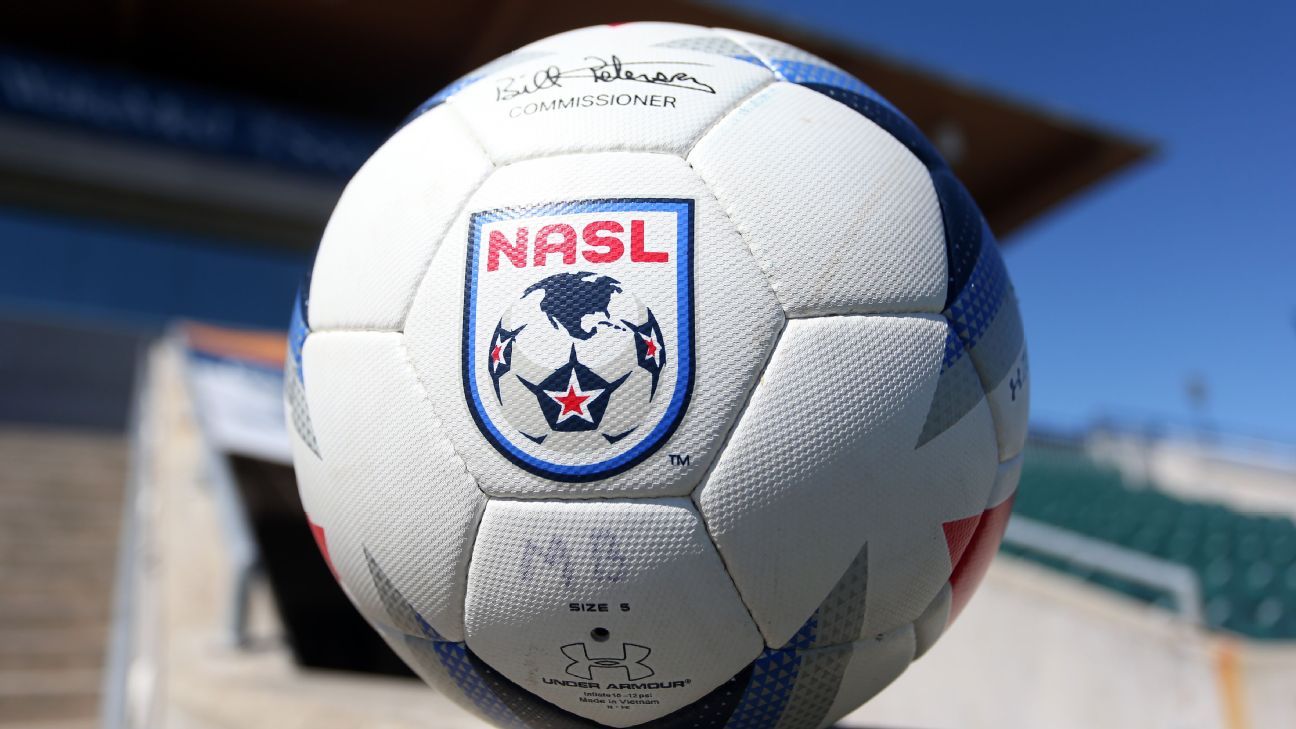
A recent court ruling has favored Major League Soccer (MLS) and the U.S. Soccer Federation (USSF) in an antitrust lawsuit brought forth by the North American Soccer League (NASL). This landmark decision not only shapes the competitive landscape of professional soccer in the U.S. but also raises crucial questions about the future of league structures and collaborations. As soccer continues to grow in popularity across the nation, understanding the implications of this ruling is essential for fans, players, and stakeholders alike.
Background of the Lawsuit
The antitrust lawsuit filed by the NASL against the MLS and USSF stemmed from claims that the two organizations conspired to limit competition in the American soccer market. The NASL argued that the USSF, in its role as the governing body of soccer in the United States, unfairly restricted the league’s growth by denying it the sanctioning it needed to operate at a higher level. The league sought to establish itself as a viable alternative to MLS, which has dominated the American soccer landscape since its inception.
However, the court sided with the MLS and USSF, ruling that their practices did not violate antitrust laws. This decision has significant implications for the future of soccer in America.
Implications for League Structures
With the ruling favoring the MLS and USSF, the future of league structures in American soccer is poised for consolidation. Several key implications arise from this decision:
- Stability for MLS: The ruling reinforces MLS’s position as the premier professional soccer league in the U.S. This stability allows the league to continue attracting top talent, sponsors, and broadcasters, fostering its growth and popularity.
- Challenges for Alternative Leagues: Other leagues looking to establish themselves as competitors to MLS may face significant hurdles. The ruling may deter potential investors who might have considered starting new leagues, fearing that they would encounter similar legal challenges.
- Collaboration and Sanctioning: The USSF’s role as a sanctioning body remains critical. This ruling may encourage more collaboration between the USSF and MLS, streamlining the processes for league operations, player registration, and development.
Impact on Player Development
Another significant consequence of this legal victory is how it could affect player development in the United States. MLS has been investing heavily in youth academies and development programs, aiming to cultivate homegrown talent. With the consolidation of the league structure, we may see:
- Increased Investment in Youth Programs: As MLS solidifies its status, the league is likely to continue investing in youth development. This could lead to a stronger pipeline of talent for both MLS and the national teams.
- Better Opportunities for Young Players: With a clear pathway from youth academies to professional leagues, young players may have more opportunities to play at higher levels, increasing the overall quality of soccer in the country.
The Role of USSF Moving Forward
The ruling has also reinforced the USSF’s authority in managing soccer in the United States. With this legal victory, the USSF is empowered to make decisions that prioritize the growth and stability of the sport. This bodes well for the national teams, as a strong domestic league leads to:
- Improved National Team Performance: A thriving MLS can contribute to better training environments for players, which in turn enhances the performance of both the men’s and women’s national teams.
- International Competitiveness: As the quality of soccer in the U.S. improves, the nation may become more competitive on the international stage, potentially leading to better results in tournaments.
Fan Engagement and Community Impact
For soccer fans, the legal victory for MLS and USSF signals a commitment to long-term growth and sustainability. Fans can expect:
- Increased Engagement: With a stable league structure, MLS can focus on fan engagement initiatives, enhancing the overall matchday experience and building a loyal fan base.
- Community Programs: The league is likely to expand its community outreach programs, strengthening ties between teams and their local communities.
Looking Ahead: Opportunities for Growth
As soccer continues to gain traction in the United States, the ruling in favor of MLS and USSF opens up numerous opportunities for growth. The decision encourages investment in infrastructure, marketing, and fan engagement, all of which are vital for the sport’s future. Some potential areas of growth include:
- Expansion of MLS: The league may consider expanding to new markets, especially in cities with a growing interest in soccer. This can lead to more teams, more fans, and increased revenue.
- Strengthening Women’s Soccer: With the success of the U.S. Women’s National Team, there is a clear opportunity to further develop women’s soccer leagues, enhancing visibility and support for women in sports.
- International Partnerships: MLS might explore partnerships with international clubs for talent exchange, joint training camps, and promotional tours, enriching the soccer culture in the U.S.
Conclusion
The recent legal victory for MLS and USSF not only establishes a strong foundation for professional soccer in America but also opens the door for a bright future. The implications of this ruling extend far beyond the courtroom, affecting players, fans, and the overall development of the sport in the country. As soccer continues to evolve in the U.S., stakeholders must embrace the opportunities presented by this legal decision, ensuring that the sport thrives for generations to come.
See more Highlights Daily


