Urgent Call for Change: NCAA’s Trans Policy and the Future of Women’s Sports
The NCAA’s trans policy has become a focal point of intense debate as the organization faces growing pressure to reform its regulations. This urgent call for change transcends mere policy adjustments; it touches upon the very essence of inclusivity and the integrity of women’s sports. As discussions unfold, critical questions arise: How can the NCAA balance the rights of transgender athletes with the need to protect women’s competitive spaces? This article delves into the complexities of the issue, exploring the implications of current policies, the perspectives of various stakeholders, and the potential paths forward.
The Current State of the NCAA’s Trans Policy
In recent years, the NCAA has implemented policies allowing transgender athletes to compete in accordance with their gender identity. This progressive stance aims to foster an inclusive environment in college sports. However, the implementation of such policies has not been without controversy. Critics argue that allowing transgender women (biological males who identify as female) to compete in women’s sports creates an uneven playing field, potentially undermining the achievements and opportunities for cisgender female athletes.
As it stands, the NCAA requires transgender women to undergo a minimum of one year of hormone therapy to compete in women’s sports. This requirement is intended to mitigate advantages that may arise from physiological differences. Yet, many argue that the policy doesn’t go far enough to ensure fair competition. With mounting pressure from various advocacy groups and stakeholders, the NCAA’s trans policy is increasingly under scrutiny.
Perspectives on Inclusivity vs. Fairness
The debate surrounding the NCAA’s trans policy often hinges on two conflicting principles: inclusivity and fairness. Proponents of inclusivity argue that all athletes—regardless of gender identity—deserve the opportunity to compete and pursue their passions. They emphasize that sports should be a welcoming space where everyone can participate. Additionally, many highlight the mental health benefits that come from being active and engaged in sports, especially for transgender individuals who often face discrimination and social isolation.
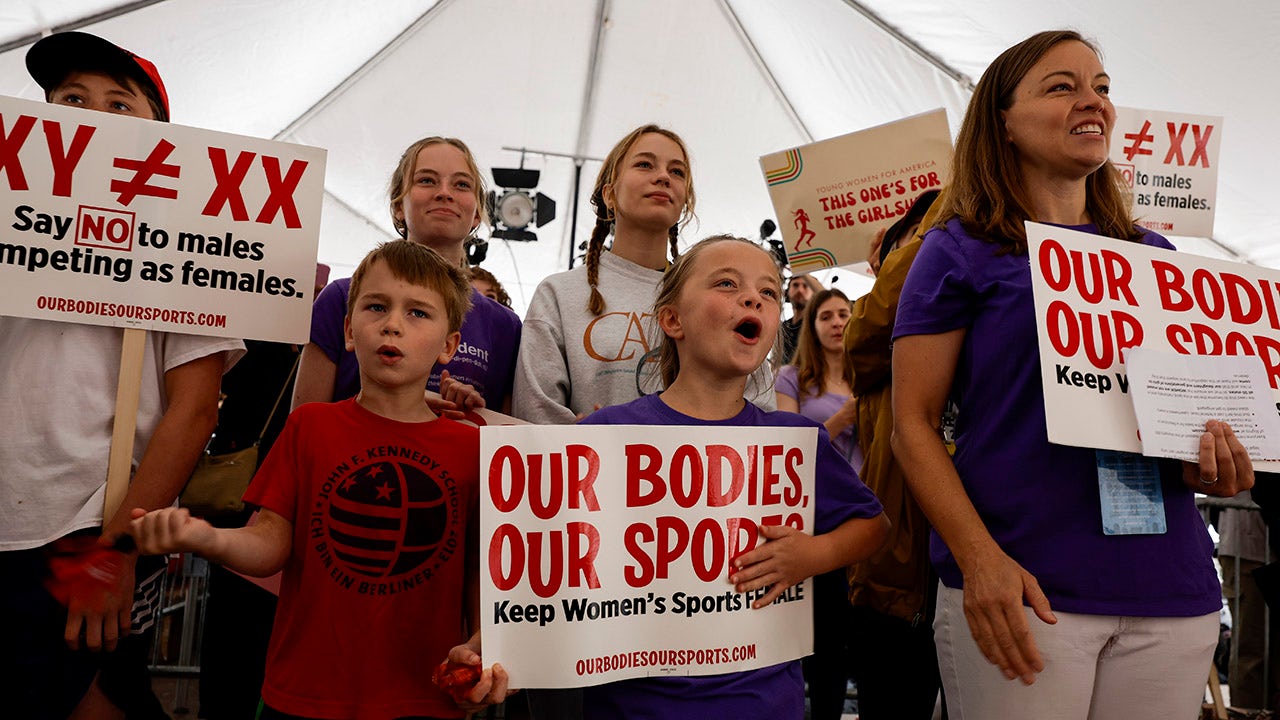
On the other hand, advocates for fairness in women’s sports assert that biological differences can provide certain advantages, particularly in strength, speed, and endurance. They argue that the integrity of women’s sports must be preserved to ensure that female athletes have equal opportunities to succeed. This perspective is often backed by scientific research that indicates lingering physiological advantages may not be completely offset by hormone therapy.
To better understand the implications of the NCAA’s trans policy, it’s essential to listen to the voices of those directly affected. Female athletes have expressed concerns regarding competition fairness. For instance, some have shared experiences of competing against transgender women and feeling outmatched, leading to feelings of frustration and hopelessness.
Conversely, transgender athletes have shared their struggles to find acceptance and their desire to compete authentically. One notable example is the story of a transgender swimmer who, after transitioning, fought to be recognized as a woman in the sport. She described her journey as a quest for identity and belonging, asserting that sports provided a vital outlet for self-expression.
- Transgender Athlete Perspective: “I just want to compete in a space where I feel comfortable and accepted. Sports are my life, and being able to participate is crucial for my mental well-being.”
- Cisgender Female Athlete Perspective: “I train hard for my sport, and it feels disheartening when I see someone who has physical advantages competing against me. It raises questions about fairness and opportunity.”
Potential Paths Forward: Striking a Balance
As the NCAA grapples with these complex issues, several potential paths for reform emerge. A balanced approach could involve a combination of revising current policies while considering the diverse needs of all athletes. Here are a few suggestions that could pave the way for more comprehensive solutions:
- Enhanced Research and Data Collection: The NCAA should invest in research to better understand the impact of transgender participation on women’s sports. Gathering data on performance metrics could inform more equitable policy adjustments.
- Individualized Assessments: Instead of a one-size-fits-all approach, the NCAA could consider individual assessments to determine eligibility based on a range of factors, including hormone levels and physical attributes.
- Education and Awareness Programs: Promoting education about transgender issues within sports organizations can foster understanding and reduce stigma, creating a more inclusive environment for all athletes.
The Role of Stakeholders in Driving Change
The future of women’s sports within the framework of the NCAA’s trans policy will largely depend on the collaboration of various stakeholders. Coaches, athletes, administrators, and policymakers must engage in open dialogues to address concerns and seek solutions. By fostering a culture of respect and understanding, it may be possible to navigate the complexities of this issue while ensuring that all athletes feel valued.
Conclusion: A Call for Thoughtful Reform
As the NCAA faces an urgent call for change regarding its trans policy, the implications for women’s sports are profound. The challenge lies in finding a harmonious balance between inclusivity and fairness, ensuring that all athletes can thrive. It is essential for the NCAA to consider diverse perspectives and gather comprehensive data as it works toward reform. Through thoughtful dialogue and collaboration, there is potential for a future where both transgender and cisgender athletes can compete on a level playing field while fostering a spirit of inclusivity that defines the essence of sports.
Ultimately, the goal should be to create an environment where every athlete, regardless of their gender identity, can pursue their dreams without compromising the integrity of the sport. As we move forward, let us embrace the spirit of sportsmanship, understanding, and respect for all.
See more Highlights Daily


