Uncovering the Disappearance of NFL’s Small-School Prospects
As the NFL draft approaches each spring, an air of anticipation fills the league, but there’s an underlying concern that many fans and analysts are pondering: the decreasing representation of small-school prospects in professional football. Once a reliable source of hidden gems, small schools are seeing fewer of their players make the leap to the NFL. This article delves into the evolving dynamics of talent scouting, the challenges faced by small-school athletes, and the implications for the future of the league.
The Changing Landscape of Talent Evaluation
The NFL has always prided itself on being a meritocracy, where talent and hard work should shine through regardless of the player’s background or collegiate affiliation. However, the reality is that the landscape of talent evaluation has changed dramatically over the years. With advancements in technology and data analytics, scouts and general managers are relying more on measurable metrics and advanced statistics rather than the traditional scouting methods that often yielded success stories from small colleges.
Small-school athletes often face an uphill battle in getting noticed. Unlike their counterparts in major Division I programs, they don’t have the same level of exposure or access to competitive environments. The spotlight of national television games and high-profile recruiting means that players from larger schools are often evaluated more closely, leaving small-school prospects to fight for visibility. This lack of exposure can lead to a cycle where small-school players are overlooked, even if they possess the talent and skills to succeed at the next level.
Challenges Faced by Small-School Prospects
The challenges that small-school prospects encounter can be categorized into several key areas:
- Limited Exposure: Players from smaller programs typically play against less competitive teams, which can skew perceptions of their abilities.
- Scouting Resources: Scouts may prioritize larger programs with established pipelines to the NFL, leading to fewer resources devoted to discovering talent in smaller schools.
- Perception Bias: There’s a prevalent belief that players from bigger schools are inherently better, which can lead teams to overlook the potential of athletes from less recognized institutions.
- Development Opportunities: Small-school athletes may lack access to high-level coaching and training facilities, which can affect their readiness for the professional game.
Data Over Intuition: The Shift in Scouting Philosophy
In recent years, NFL teams have increasingly turned to analytics to inform their decisions. This data-driven approach offers valuable insights into a player’s potential, but it can also create blind spots, particularly when it comes to evaluating players from smaller programs. While data can provide a clearer picture of a player’s performance, it often misses the intangible qualities and game-day instincts that smaller-school players can bring to the table.
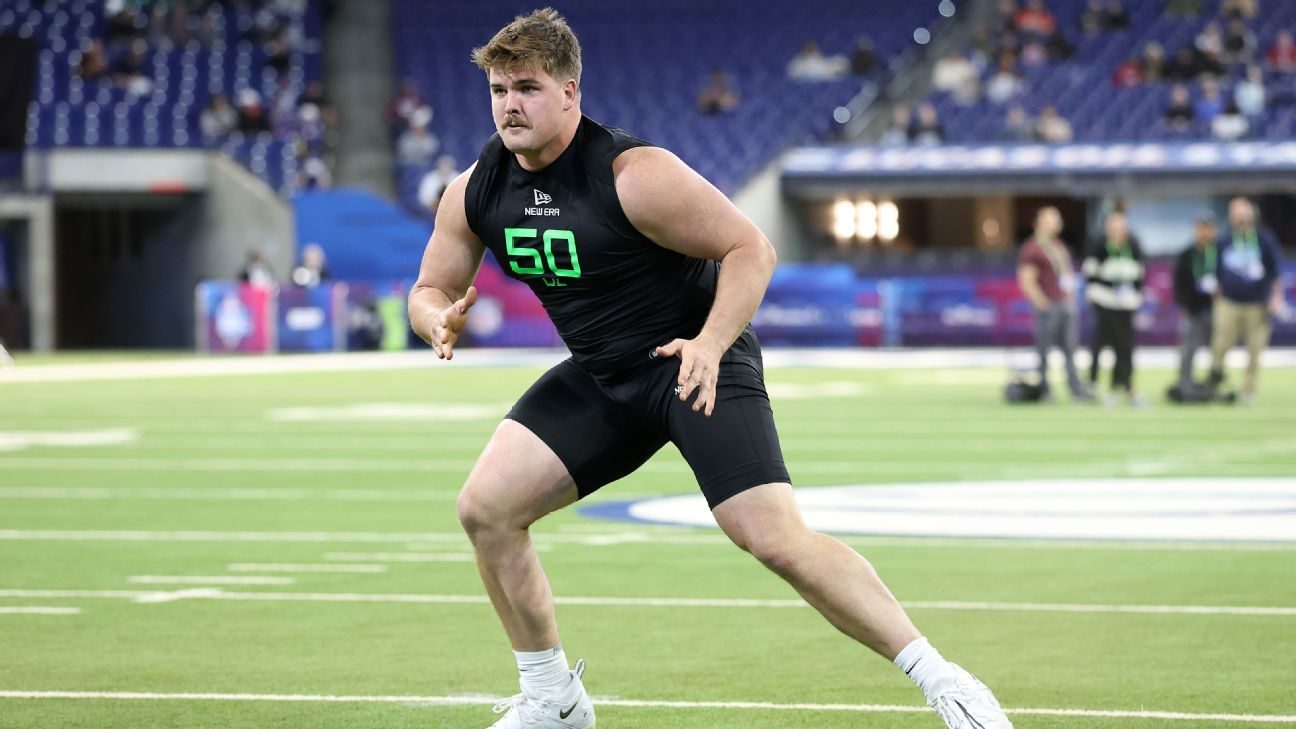
Furthermore, the reliance on combine performances and pro days has led to a scenario where small-school athletes may struggle to showcase their abilities effectively. These events often favor players with a certain physical profile, leading teams to prioritize measurable attributes over game tape, where many small-school athletes shine.
Success Stories from Small Schools
Despite the challenges, many small-school prospects have made significant impacts in the NFL, proving that talent can emerge from unexpected places. Here are a few notable examples:
- Antonio Brown: Drafted in the sixth round out of Central Michigan, Brown transformed into one of the league’s most prolific receivers.
- Ramses Barden: The former Cal Poly standout showcased his size and skill in the NFL, becoming a valuable asset for the New York Giants.
- Josh Allen: Though he played at Wyoming, Allen’s rise from a relatively under-recruited player to a top NFL quarterback highlights the potential of small-school athletes.
These players exemplify that the pipeline from small schools to the NFL is not completely closed, but it is becoming increasingly difficult for scouts to find and nurture talent from these programs.
The Role of Pro Days and Combine Performances
Pro days and the NFL Scouting Combine represent critical opportunities for players to showcase their skills. However, small-school athletes often face unique challenges during these events:
- Competition: They compete against a slew of players from larger schools who may have more established reputations.
- Pressure: The added pressure of performing well can sometimes lead to less-than-ideal results, further impacting their draft stock.
- Visibility: NFL scouts pay closer attention to the players who are already on their radars, leaving little room for surprises from lesser-known prospects.
Building Awareness and Opportunities
To combat the dwindling presence of small-school prospects in the NFL, several initiatives can be implemented:
- Increased Scouting: NFL teams could allocate more resources to scouting small colleges, seeking out hidden gems who may otherwise go unnoticed.
- Showcase Events: Creating events that allow small-school athletes to compete against one another could highlight their talents and draw attention from scouts.
- Partnerships with Colleges: Teams could foster relationships with small colleges, providing mentorship and training opportunities for their players.
Looking Ahead: The Future of Small-School Prospects in the NFL
As the NFL continues to evolve, the challenge of uncovering small-school prospects remains. However, there’s reason for optimism. The league’s commitment to inclusivity—both in terms of player backgrounds and talent evaluation—may pave the way for a renaissance of sorts. Greater emphasis on diversity in scouting and the integration of advanced analytics can provide a more comprehensive assessment of talent, allowing teams to discover players who can contribute meaningfully regardless of their collegiate background.
Ultimately, the fate of small-school prospects in the NFL may rest not just on the players themselves but on how open scouts and executives are to recognizing talent in all its forms. By embracing a broader definition of success and expanding scouting efforts, the NFL can ensure that no potential star goes unnoticed, regardless of where they come from.
In conclusion, while the landscape for small-school prospects in the NFL may be more challenging than ever, the potential for success remains. As the league continues to adapt, there is hope that the future will see a return to the roots of scouting—where talent can emerge from anywhere, and every player gets a fair shot at making their dreams a reality.
See more Highlights Daily


