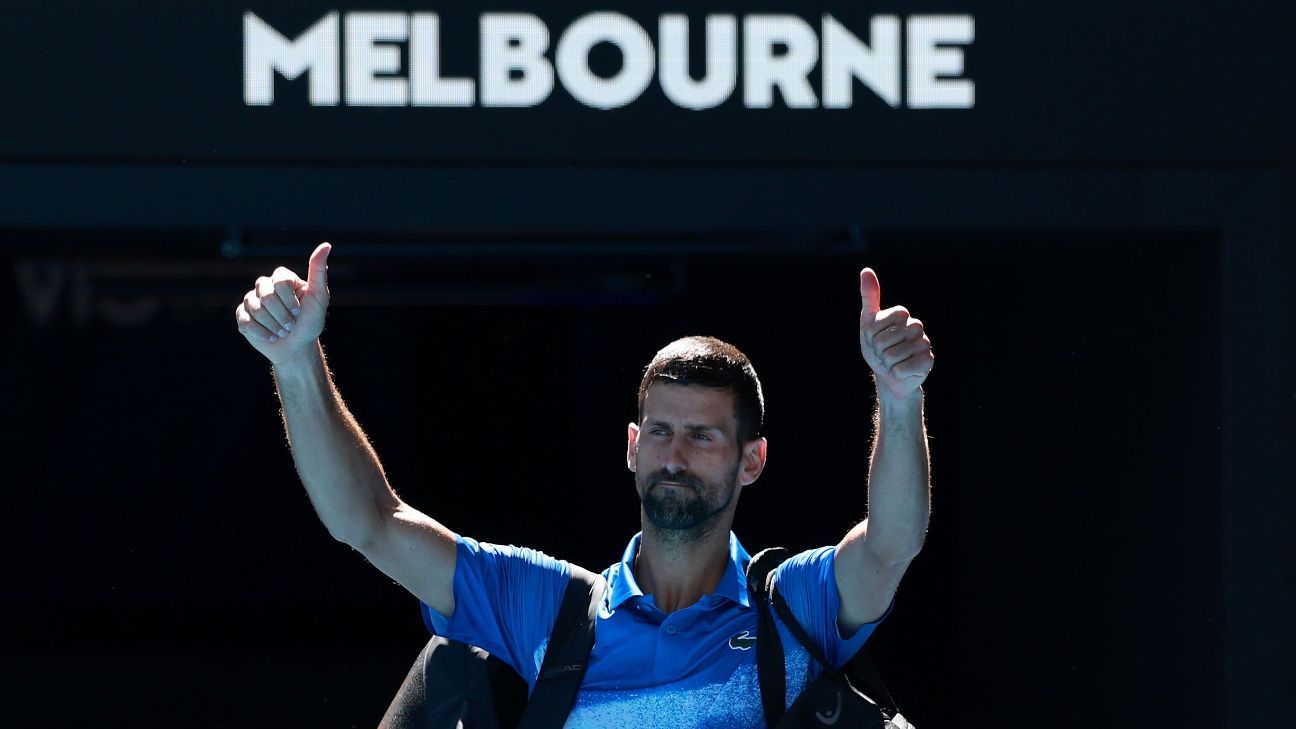
Novak Djokovic Challenges Critics with MRI Reveal of Hamstring Injury
In a striking turn of events, tennis superstar Novak Djokovic recently shared an MRI image revealing the extent of his hamstring injury, a bold move aimed at addressing the skepticism surrounding his fitness. This gesture not only seeks to provide transparency in the world of professional sports but also ignites a broader conversation about the pressures athletes face from public scrutiny and the expectations placed upon them.
The Context Behind Djokovic’s Injury
Novak Djokovic’s journey through the tennis circuit has been nothing short of remarkable. However, the elite athlete has faced his share of challenges, particularly with injuries that have raised questions about his physical condition. Hamstring injuries are notoriously tricky, often affecting an athlete’s performance and longevity. Djokovic’s recent struggles with this issue have become a focal point of debate among fans, commentators, and critics alike.
As one of the most successful tennis players in history, Djokovic has always been under the microscope. With a record number of Grand Slam titles and a fierce competitive spirit, he is expected to perform at the highest level consistently. However, the pressure to meet these expectations can lead to intense scrutiny, especially when an athlete’s performance dips due to injury.
Djokovic’s decision to make his MRI results public is a clear attempt to combat the rumors and speculation about his fitness. By providing tangible proof of his injury, he aims to foster a culture of transparency, inviting a deeper understanding of what athletes endure behind the scenes.
Here are a few reasons why sharing such medical information could be seen as a positive step:
- Building Trust: Athletes often face mistrust from fans and media, who may assume that injuries are exaggerated or fabricated. By presenting medical evidence, Djokovic strengthens his credibility.
- Promoting Awareness: Many fans may not understand the complexities of sports injuries. Sharing an MRI can educate the public about the physical challenges athletes face.
- Encouraging Support: When fans see the physical toll that injuries can take, they may become more empathetic and supportive rather than critical.
The Reaction from Fans and Critics
The response to Djokovic’s MRI reveal has been mixed but largely supportive. Many fans expressed admiration for his willingness to be open about his struggles, reinforcing the idea that athletes are human too. However, some critics remain skeptical, questioning whether the timing of this revelation was strategic, particularly in light of recent underwhelming performances.
This duality of response showcases a critical aspect of modern sports culture—athletes are constantly under evaluation, their every move scrutinized by fans and experts alike. The expectation for athletes to perform flawlessly can lead to a hostile environment, especially when injuries are involved.
Implications for Athlete Transparency
Djokovic’s MRI disclosure raises important questions about transparency in sports. Traditionally, athletes have been reluctant to share specific details about their injuries, fearing that it might affect their marketability or the perceptions of their toughness. However, as mental health and well-being become more central in discussions about sports, the call for transparency is growing.
Some potential implications of this shift include:
- A Shift in Culture: If more athletes follow Djokovic’s lead, it could foster a more supportive environment within sports, where discussing injuries and mental health is normalized.
- Enhanced Fan Engagement: Fans may appreciate the deeper connection to athletes who are willing to share their struggles, leading to a more engaged and compassionate fanbase.
- Impact on Sponsorships: Brands may need to reconsider how they market athletes, focusing more on authenticity and vulnerability rather than just peak performance.
The Pressure of Public Scrutiny
While Djokovic’s decision to share his MRI results is commendable, it also highlights the immense pressure athletes face in the spotlight. The expectation to perform at a high level despite physical setbacks can be overwhelming. Athletes are not just competitors; they are also public figures whose lives are often laid bare for public consumption.
This scrutiny can lead to several negative consequences:
- Increased Anxiety: The fear of criticism can exacerbate mental health issues, leading to anxiety and stress that affect performance and well-being.
- Pressure to Play Through Injury: Athletes may feel compelled to compete even when injured, risking long-term damage to their health.
- Impact on Relationships: The intense focus on performance can strain personal relationships, as athletes often prioritize training and competition over social connections.
Looking Ahead: The Future of Athlete Transparency
As the conversation around athlete transparency continues to evolve, it’s essential to consider the future landscape of sports. Will more athletes feel empowered to share their struggles openly? Will organizations support this shift towards transparency and well-being?
Djokovic’s bold move may very well inspire a new generation of athletes to embrace honesty about their physical and mental health challenges. By doing so, they can help reshape the narrative around sports, fostering a culture that prioritizes athletes’ overall well-being over mere performance metrics.
Conclusion
In an era where the pressures of performance are magnified by social media and public scrutiny, Novak Djokovic’s decision to reveal his MRI results stands out as a significant moment in sports history. It challenges the status quo and highlights the importance of transparency in an industry that often prioritizes winning above all else.
As fans and supporters, it’s crucial to recognize the human side of athletes like Djokovic. By understanding their struggles and supporting their journey, we can contribute to a more compassionate and understanding sports culture. Ultimately, Djokovic’s story is not just about a hamstring injury; it’s about the broader implications of vulnerability, transparency, and the pressures faced by athletes in today’s world.
See more Highlights Daily


