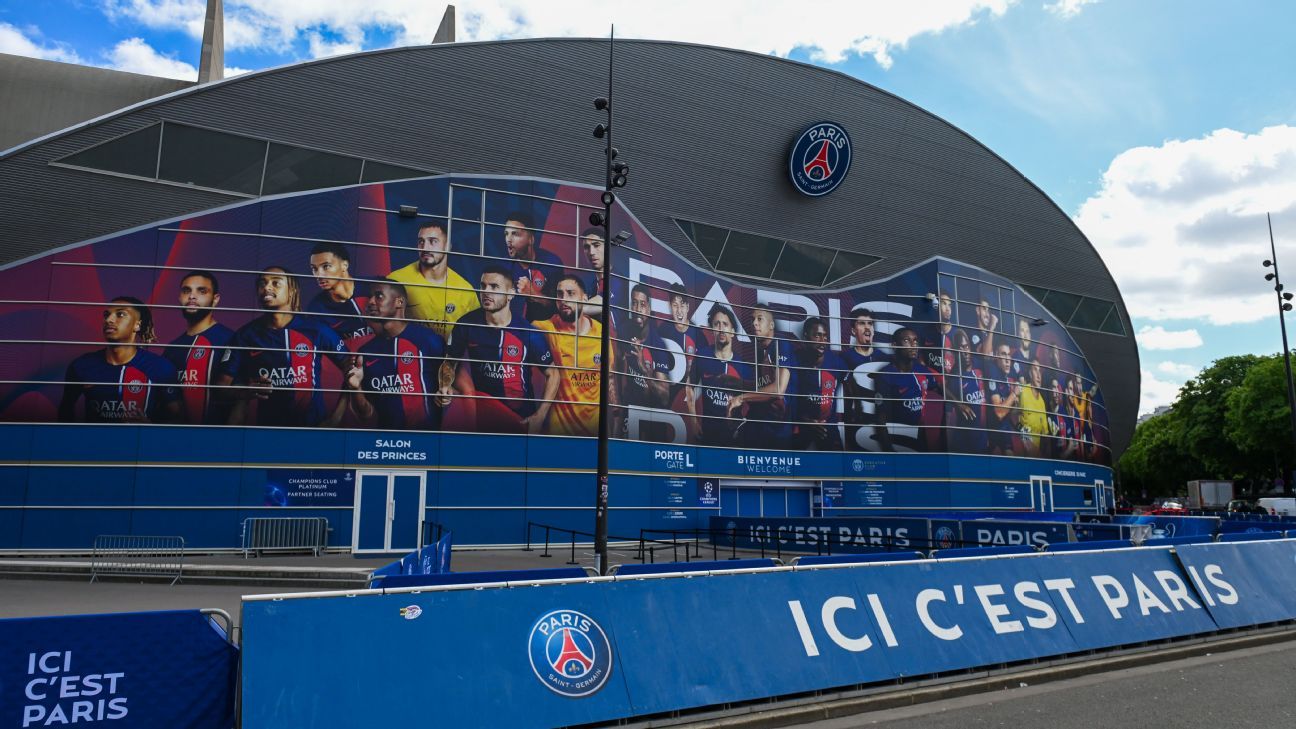
Qatar’s PSG Owners Reassess Investment Strategies in France
In the dynamic world of sports financing, the ownership of Paris Saint-Germain (PSG) by Qatar Sports Investments (QSI) has been a topic of considerable interest and discussion. As Qatar’s PSG owners reassess investment strategies in France, it prompts a closer examination of the broader implications for sports financing in the region and its impact on local economies. The recent scrutiny surrounding QSI’s financial practices and their long-term vision for PSG has sparked conversations about the future of sports investments in France.
The Background of Qatar’s Ownership of PSG
Qatar’s engagement with PSG began in 2011 when QSI acquired the club, aiming to elevate its status in European football. This acquisition was part of a broader strategy to position Qatar as a global sports hub, aligning with the nation’s ambitions showcased during the successful bid to host the FIFA World Cup 2022. Under QSI’s stewardship, PSG transformed into a football powerhouse, attracting top talents like Neymar Jr., Kylian Mbappé, and Lionel Messi, and winning multiple domestic titles.
However, this meteoric rise came with challenges, including financial scrutiny from UEFA regarding adherence to Financial Fair Play regulations, as well as debates about the sustainability of such lavish spending. As the dust settles from the World Cup and with shifts in the European football landscape, Qatar’s PSG owners find themselves at a crossroads, necessitating a reassessment of their investment strategies in France.
Current Challenges Facing QSI
Several factors are driving the need for QSI to reevaluate its investment approach:
- Regulatory Pressures: UEFA’s Financial Fair Play (FFP) rules have become increasingly stringent. PSG has faced scrutiny over its financial practices, and further violations could lead to severe penalties, including exclusion from European competitions.
- Changing Market Dynamics: The global sports market is shifting, with new players emerging, particularly from North America and Asia. The influx of investment in clubs from different leagues creates a competitive landscape that requires QSI to adapt its strategy.
- Fan Engagement: Modern fans are more engaged and vocal, demanding transparency and accountability from club owners. QSI must navigate this landscape while maintaining its brand image.
Strategic Reevaluation: What Does It Mean for PSG?
As Qatar’s PSG owners reassess their investment strategies, several potential paths emerge:
- Fostering Local Talent: QSI could shift focus towards developing homegrown talents, investing in youth academies, and nurturing local players. This approach would resonate with fans and enhance the club’s reputation while potentially easing FFP concerns.
- Community Engagement Initiatives: Strengthening ties with the local community through outreach programs can bolster PSG’s brand and foster loyalty. QSI might consider investing in initiatives that support local sports development and education.
- Strategic Partnerships: Collaborating with local businesses and entities could create mutual benefits. Such partnerships could lead to new sponsorship deals, enhanced marketing efforts, and a stronger community presence.
The Implications for Local Economies
The reassessment of QSI’s investment strategies reverberates beyond the confines of PSG. The club’s financial health and strategic direction can significantly impact the local economy:
- Job Creation: A strong PSG can lead to job creation in various sectors, including hospitality, tourism, and retail, as match days bring fans to the city.
- Infrastructure Development: Investments in local facilities and infrastructure enhancements can contribute to the overall growth of the area, benefiting both residents and visitors.
- Tourism Boost: A successful PSG can attract international visitors, enhancing Paris’s status as a tourist destination and generating revenue for local businesses.
Qatar’s Long-Term Vision and the Future of Sports Financing
Looking ahead, Qatar’s long-term vision for PSG and sports financing in France may entail a delicate balance of ambition and sustainability. As QSI reassesses its strategies, the emphasis may shift towards building a club that can compete both on and off the pitch without over-reliance on external funding.
Investors and stakeholders will be watching closely how QSI navigates these transitions. The club’s ability to adapt to changing market conditions while remaining a competitive force in European football will be pivotal. By focusing on sustainable growth, QSI can ensure that PSG remains a prominent player in the football world, fostering a legacy that extends beyond immediate successes.
The Broader Context of Sports Financing in France
The reassessment of Qatar’s PSG owners also invites reflection on the broader context of sports financing in France. The landscape is evolving, and several trends are becoming apparent:
- Increased Competition: Other clubs in Ligue 1 are ramping up their efforts to attract investment, with many seeking to emulate PSG’s success. This competition may lead to more equitable distribution of resources across the league.
- Emergence of New Investors: With the rise of private equity firms and wealthy individuals looking to invest in sports, the financial landscape is becoming more diverse, which could benefit French clubs.
- Focus on Sustainability: Clubs are increasingly prioritizing sustainable business models, focusing on long-term growth rather than short-term gains. This shift is in response to both regulatory pressures and changing fan expectations.
Conclusion
As Qatar’s PSG owners reassess their investment strategies in France, the implications extend beyond the club itself. The future of sports financing in the region will likely be characterized by a focus on sustainability, community engagement, and a deeper connection with local economies. The decisions made now will be crucial in shaping not only the destiny of PSG but also the landscape of French football as it continues to evolve in an increasingly competitive global arena.
Ultimately, this reassessment presents an opportunity for QSI to reflect on its ambitions and to forge a path that balances financial viability with the passion and loyalty of fans, ensuring that PSG remains a beacon of excellence in the world of sports.
See more Highlights Daily


