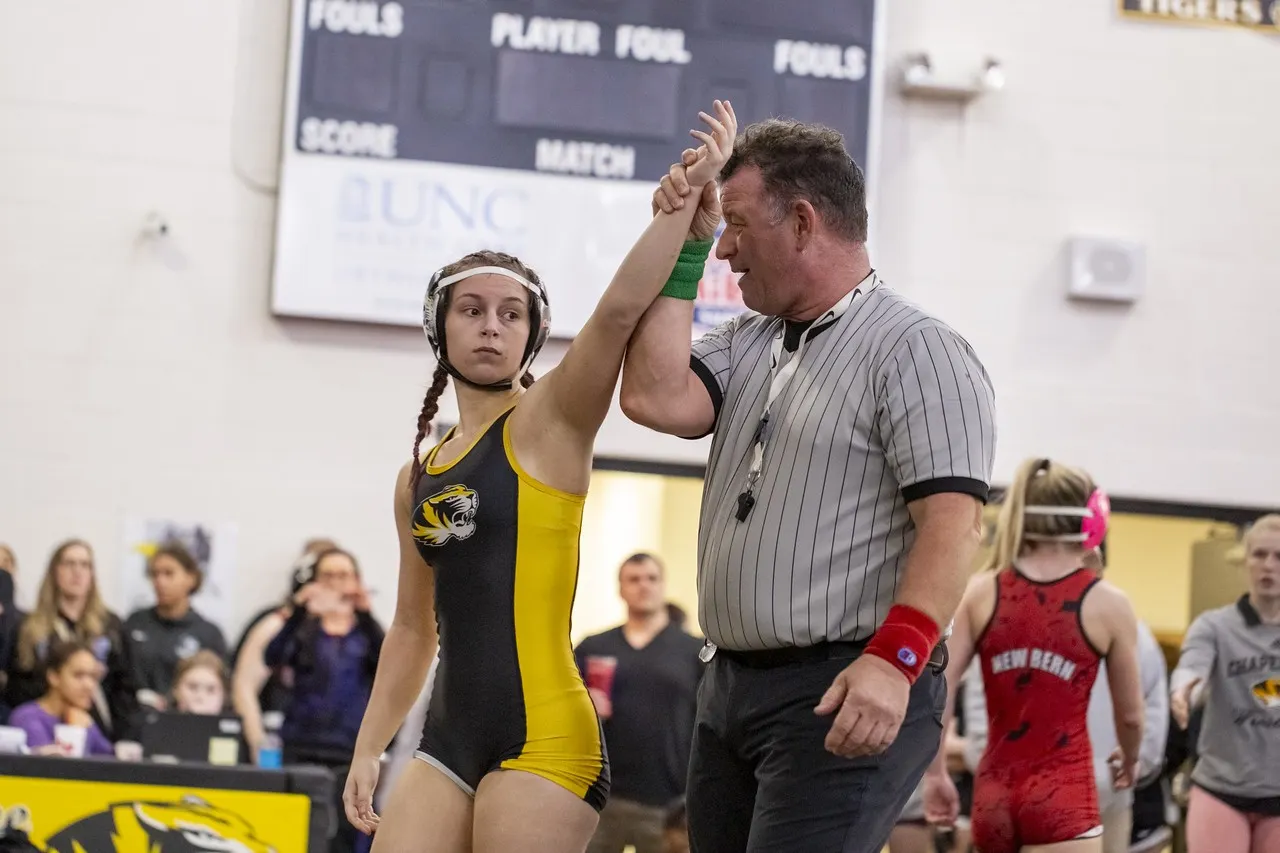
Triumph on the Mat: A Young Athlete’s Battle Against Seizures
In a world where the term “fighter” is often associated with physical prowess, a young girl is redefining what it means to be a true champion. Her journey through the challenges of living with seizures while passionately pursuing wrestling is a testament to resilience and courage. This is the story of a young athlete who embodies the spirit of “Wrestle Like a Girl,” proving that true strength comes from within.
The Early Days: A Struggle with Seizures
At just ten years old, Mia Thompson’s life took an unexpected turn. Initially, she was a typical active child, full of energy and enthusiasm. However, this changed when she began experiencing seizures. For Mia, the first seizure was a frightening experience, not only for her but for her family as well. The diagnosis of epilepsy was daunting, and the unpredictability of her condition cast a shadow over her childhood.
Seizures can vary greatly in severity and frequency, and Mia’s were particularly challenging. They would often strike without warning, disrupting her daily activities and making her feel isolated from her peers. While other children played and explored, Mia sometimes found herself sidelined, dealing with the aftermath of her condition.
Finding the Mat: The Call to Wrestling
Despite the hurdles presented by her epilepsy, Mia’s spirit remained unbroken. Inspired by an invitation from a school friend to join the wrestling team, she decided to step onto the mat. Wrestling immediately captivated her. The sport offered a unique combination of physicality, strategy, and discipline—elements that resonated deeply with her. More importantly, wrestling became a sanctuary where she could channel her struggles into something powerful.
“When I’m on the mat, I feel free,” she says. “It’s just me and my opponent. Nothing else matters.” This sense of liberation was crucial for Mia. Wrestling provided her with a community of support and acceptance, an environment where she could redefine herself beyond her medical condition.
Overcoming Challenges: The Road to Competitions
Transitioning into competitive wrestling was not without its challenges. Mia faced skepticism, both from others and sometimes within herself. Questions loomed: Would her condition limit her abilities? Could she compete safely? These concerns were valid, but Mia was determined to prove that she was more than her seizures.
- Building a Support System: Mia’s family, coaches, and teammates rallied around her, creating a robust support system. They educated themselves about epilepsy so they could assist her effectively during practices and competitions.
- Learning to Manage Seizures: With the help of her doctor, Mia developed a plan to manage her condition. This included medication, regular check-ups, and understanding her triggers, allowing her to train with confidence.
- Practicing Resilience: Each time she stepped onto the mat, Mia embraced the possibility of failure. She learned that losing was part of the journey, and with every match, she grew stronger—both in skill and in spirit.
Embracing the Spirit of “Wrestle Like a Girl”
The phrase “Wrestle Like a Girl” has taken on a powerful meaning in recent years, symbolizing strength, resilience, and defiance against stereotypes. For Mia, this mantra resonates deeply. She is not merely wrestling; she is challenging societal norms that often dictate how girls should behave in sports. By excelling in a sport traditionally dominated by boys, she is breaking barriers and inspiring others to do the same.
Mia’s determination to succeed is not just about personal achievement; it’s about representation. She wants other girls, especially those facing their own challenges, to see that they can pursue their passions, regardless of the obstacles they encounter. “I want them to know that it’s okay to fight for what you love,” she shares. “If you work hard and believe in yourself, anything is possible.”
Inspiring Others: The Impact of Mia’s Journey
Mia’s story has reached beyond her immediate community, inspiring others across the country. Her journey has sparked conversations about inclusivity in sports, particularly for athletes with disabilities. Schools and wrestling organizations are beginning to recognize the importance of adapting programs to ensure that all children, regardless of their challenges, have the opportunity to participate.
Moreover, Mia’s resilience encourages awareness and understanding of epilepsy. She actively participates in local epilepsy advocacy groups, sharing her experiences to educate others about the condition. By shedding light on her journey, Mia is not only empowering herself but also offering hope to countless others who may feel alone in their battles.
The Future: A Champion in the Making
As she continues to train and compete, Mia remains focused on her goals. She dreams of one day becoming a state champion, but her aspirations extend beyond personal accolades. Mia aims to be an advocate for others, showing that the fight isn’t just on the mat but also in the hearts of those who dare to dream.
Her story is a powerful reminder that resilience can be found in the most unexpected places. Through wrestling, Mia Thompson is not just battling seizures; she is challenging the perceptions of what it means to be a fighter. With every match, she proves that true strength lies in the courage to stand up, to wrestle, and to live life unapologetically.
Conclusion: A Legacy of Strength and Resilience
Mia’s journey showcases the transformative power of sports. It highlights how wrestling can serve as a platform for personal growth, resilience, and community. As she continues to inspire others to embrace their own challenges, her story will undoubtedly encourage a new generation of athletes to “Wrestle Like a Girl” and redefine what it means to triumph on and off the mat. In the grand tapestry of life, Mia is weaving a legacy of strength, resilience, and hope, proving that with determination and support, anyone can overcome their battles.
See more Highlights Daily


