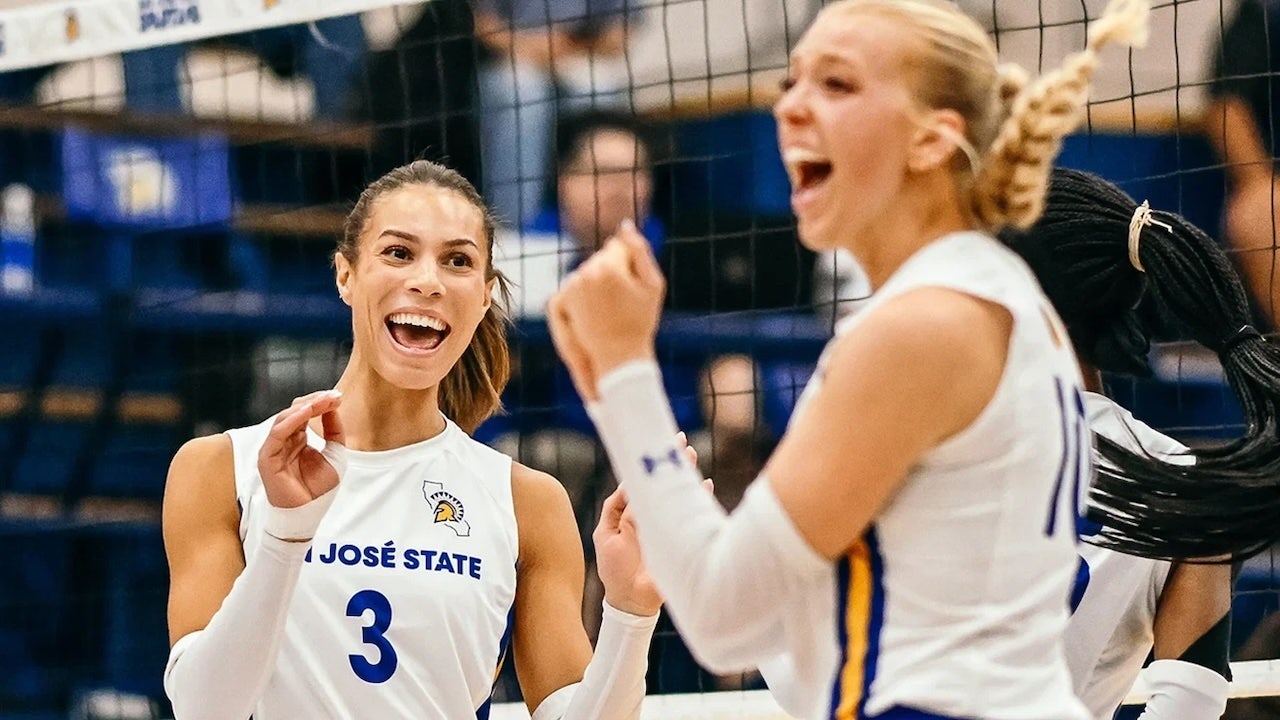
Inside the Controversy: Riley Gaines Reveals Emotional Toll on Female Athletes in SJSU Trans Volleyball Scandal
In recent months, the sports world has been engulfed in a heated debate surrounding the participation of transgender athletes in women’s sports. Among the many voices in this discussion, Riley Gaines, a prominent swimmer and advocate for women’s rights in athletics, has emerged as a key figure. Her insights into the emotional toll faced by female athletes in the wake of the San Jose State University (SJSU) trans volleyball scandal bring to light the complexities of inclusion, fairness, and the future of women’s sports.
Understanding the SJSU Trans Volleyball Controversy
The SJSU trans volleyball controversy erupted after a transgender athlete joined the women’s volleyball team, leading to significant discussions about gender identity and competitive fairness. While the inclusion of transgender individuals in sports aims to promote equality and representation, it has also raised questions about the implications for cisgender female athletes. This controversy highlights the ongoing struggle to find a balance between inclusion and the preservation of fair competition.
As Riley Gaines articulated, this situation has not only sparked debates among sports authorities and policymakers but has also taken a substantial emotional toll on female athletes. Many athletes feel caught in the middle, struggling to voice their concerns without being labeled as transphobic or insensitive. The pressure to remain silent can be overwhelming, creating a sense of isolation among female athletes who fear backlash for expressing their views.
The Emotional Impact on Female Athletes
Gaines has been vocal about the emotional distress that many female athletes experience due to this controversy. The following points encapsulate the emotional toll faced by these athletes:
- Fear of Repercussions: Many athletes are concerned about potential consequences for speaking out. The fear of being ostracized by teammates, coaches, or the broader community can lead to silence and frustration.
- Identity and Validation: Female athletes often feel their hard work and achievements are undermined when competing against transgender women, which can lead to feelings of invalidation.
- Increased Anxiety: The pressure to conform to societal expectations while navigating personal beliefs can create heightened anxiety among female athletes.
- Polarization of Communities: The divisive nature of this issue can fracture relationships within teams and the broader athletic community, leaving athletes feeling unsupported.
Gaines emphasized that while it is essential to support the rights of transgender individuals, it is equally important to acknowledge the challenges faced by cisgender female athletes. The emotional struggle is real, and many athletes feel they are losing a sense of belonging in their own sports communities.
The Broader Implications for Women’s Sports
The SJSU trans volleyball scandal is not an isolated incident; it reflects a larger trend in women’s sports that demands careful consideration. As more transgender athletes participate in collegiate and professional sports, the landscape of women’s athletics is changing. This shift raises important questions about:
- Equity in Competition: How do we ensure fair competition while being inclusive? This question lies at the heart of the debate, as athletes and sports organizations grapple with creating policies that address both concerns.
- Policy Development: There is a pressing need for clear guidelines regarding the participation of transgender athletes. Stakeholders, including athletic governing bodies and universities, must work collaboratively to create policies that respect both inclusion and competitive integrity.
- Advocacy and Representation: Female athletes like Gaines are increasingly stepping into advocacy roles to ensure their voices are heard. This representation is crucial for shaping the future of women’s sports and ensuring that female athletes’ concerns are addressed.
Riley Gaines: A Voice for Change
Riley Gaines has become a symbol of the struggle for fairness in women’s sports. Her journey has been marked by both personal achievement and advocacy for her fellow athletes. As a former NCAA swimmer, she understands the dedication and sacrifice that goes into competing at a high level, making her perspective particularly poignant.
Through her advocacy work, Gaines has called for:
- Increased Awareness: By sharing her experiences and the stories of other athletes, Gaines aims to raise awareness about the emotional impact of these controversies.
- A Call for Dialogue: She urges for open conversations where all perspectives can be shared without fear of retribution.
- Support Networks: Gaines believes in the importance of establishing support systems for female athletes to help them navigate these challenging discussions.
The Path Forward: Finding Common Ground
As the debate around transgender athletes in women’s sports continues, it is crucial to find common ground. This can be achieved through:
- Inclusive Policies: Developing policies that consider the rights of all athletes while ensuring fair competition is essential. This requires input from diverse stakeholders, including athletes, coaches, and medical professionals.
- Education and Training: Providing education on gender identity and inclusivity can help reduce stigma and foster understanding among athletes and their communities.
- Listening to Athletes: Central to any solution is the need to listen to the voices of female athletes. Their experiences and concerns should guide policy decisions to ensure that their rights and well-being are prioritized.
In conclusion, the emotional toll on female athletes amidst the SJSU trans volleyball scandal is a pressing issue that deserves attention. Riley Gaines’ revelations highlight the complexities of navigating inclusion and fairness in sports. As society grapples with these challenges, it is imperative that we foster an environment where all athletes feel valued, supported, and heard. The future of women’s sports depends on our ability to address these issues thoughtfully and compassionately.
See more Highlights Daily


