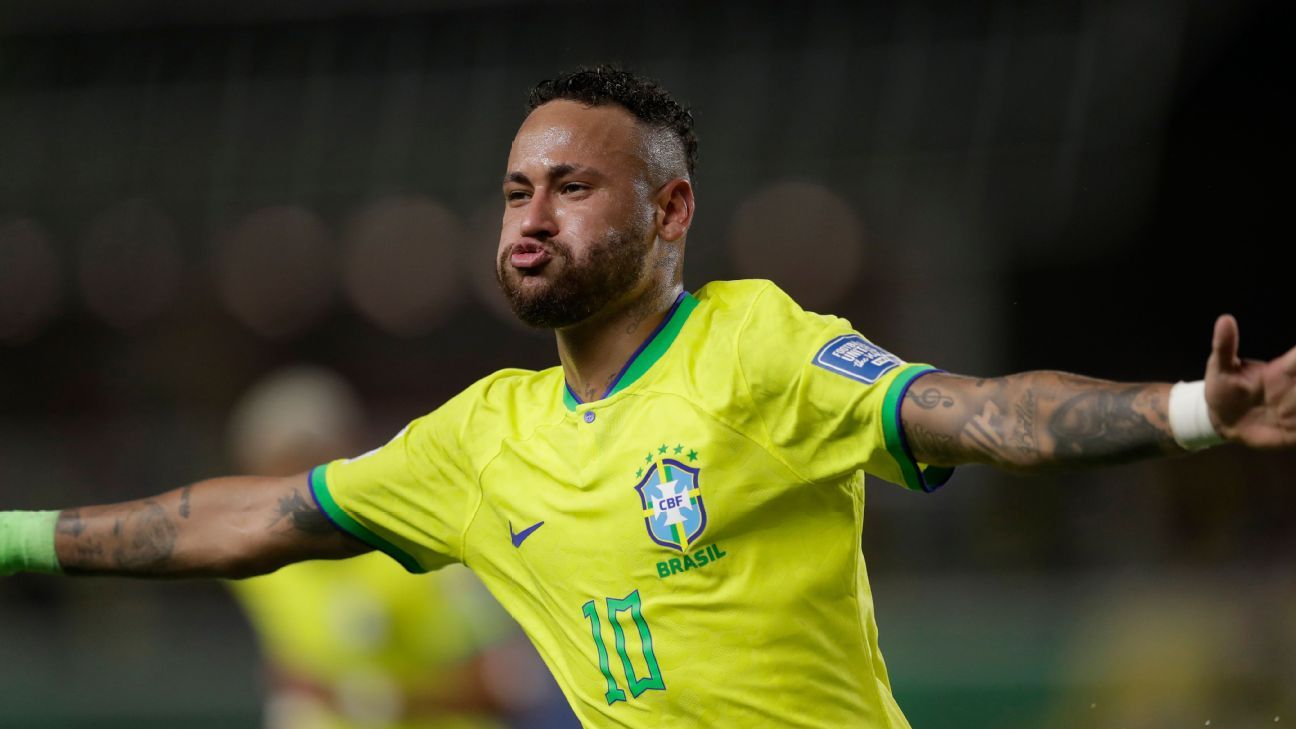
Romário’s Bold Claim: Can Brazil Triumph in the World Cup Without Neymar?
As the world gears up for the next FIFA World Cup, the football community is buzzing with discussions, predictions, and expectations. One voice that has resonated strongly is that of Brazilian football legend Romário, who has stirred the pot with his bold claim: Brazil’s chances of winning the World Cup depend heavily on the participation of star forward Neymar. As we delve deeper into this assertion, we will explore its implications on Brazil’s strategy, team dynamics, and the potential paths the national team might take in Neymar’s absence.
Context: Neymar’s Influence on Brazilian Football
Neymar, a player renowned for his skill, creativity, and goal-scoring ability, has been a pivotal figure in Brazilian football since he first burst onto the scene. With over 70 international goals to his name, he stands as one of the top scorers for the national team. His impact goes beyond just statistics; he brings a unique flair that can change the momentum of a game in an instant.
However, Neymar’s journey has not been without challenges. He has faced injuries, criticism, and the immense pressure of being the focal point of Brazilian football. The question now arises: How crucial is Neymar to Brazil’s World Cup aspirations? Romário’s assertion suggests that without him, Brazil may struggle to reach its full potential.
Romário’s Perspective: Analyzing the Claim
Romário, a World Cup winner himself in 1994, speaks from a place of experience. His statement reflects a deep understanding of the game and the psychological aspects that come with it. He emphasizes that while Brazil has a pool of talented players, Neymar’s presence is irreplaceable in terms of leadership and creativity on the pitch.
- Leadership: Neymar’s ability to inspire his teammates can’t be measured solely by statistics. His experience in high-pressure situations is invaluable.
- Creativity: Neymar’s style of play can unlock defenses that might otherwise stifle Brazil’s attack.
- Defensive Attention: Opponents often focus their defensive strategies around Neymar, which can create opportunities for other players.
Romário’s claim suggests that without Neymar, Brazil might lack the sharp edge required to succeed against the world’s best teams. This raises a crucial point: how can Brazil adapt its strategy in a potential Neymar-less scenario?
Potential Strategies for Brazil Without Neymar
Should Neymar be unavailable due to injury or other reasons, Brazil would need to evolve its tactical approach. Here are some potential strategies the team could adopt:
- Utilizing Other Talents: Brazil boasts a wealth of attacking talents like Vinícius Júnior, Rodrygo, and Richarlison. The national team could shift its focus to harnessing these players’ skills to form a new attacking dynamic.
- Formation Changes: Without Neymar’s creative influence, Brazil might consider deploying a more traditional formation, emphasizing solid midfield control and defensive stability while relying on counter-attacks.
- Increased Team Cohesion: The absence of a star player often forces a team to work together more cohesively. Brazil could prioritize building a strong team chemistry to compensate for Neymar’s absence.
The Role of Team Dynamics in Success
Romário’s assertion underscores the importance of team dynamics in achieving success at the World Cup. Football is, at its core, a team sport where collective performance often outweighs individual brilliance. In Neymar’s absence, Brazil would need to foster a sense of unity and shared responsibility among players. This could lead to:
- Heightened Accountability: Each player would need to step up and contribute more, creating an environment where everyone plays a vital role.
- Emergence of New Leaders: New voices within the squad could rise to prominence, offering fresh perspectives and strategies.
- Enhanced Tactical Flexibility: The team might become more adaptable, learning to adjust their game plan on the fly.
Historical Precedents: Brazil Without Its Stars
Brazil’s football history is replete with instances where the national team has triumphed despite the absence of key players. For example:
- 1970 World Cup: Although Pelé was the star, players like Jairzinho and Tostão shone brightly, showcasing Brazil’s depth.
- 1994 World Cup: The team was built on solid defense and a collective effort, with Romário himself stepping up as a leader.
- 2002 World Cup: Brazil won with a balanced squad, integrating new talents alongside established stars like Ronaldo.
These historical examples highlight that while individual talent is crucial, the strength of the team as a whole often dictates success on the world stage.
Conclusion: The Road Ahead for Brazil
Romário’s bold claim that Brazil’s World Cup success hinges on Neymar’s participation is a conversation starter within the football community. While Neymar undoubtedly brings immense talent and experience, history shows that Brazil has the resilience to adapt and thrive, even in challenging circumstances.
As the tournament approaches, Brazilian fans will hold their breath, hoping for Neymar’s fitness and form. However, they should also take comfort in the fact that the national team has a rich legacy of overcoming obstacles. Whether Neymar is on the pitch or not, Brazil’s football spirit and talent will shine through, proving that while stars may guide, it is the collective effort that ultimately leads to glory.
In essence, Romário’s statement opens the door for deeper discussions about team dynamics, strategy, and the essence of Brazilian football. As the world watches, one thing is certain: Brazil will always remain a formidable force in international football.
See more Highlights Daily


