Unpacking the Controversy: Spanish Football Faces Reckoning Over Cultural Norms
In recent months, Spanish football has been thrust into the spotlight, not just for its thrilling matches and passionate fanbase, but for a scandal that has sparked intense debate about cultural perceptions of behavior and consent. This controversy raises fundamental questions about the intersection of sports, culture, and societal norms, compelling not only those within the football community but also the broader public to reassess their understanding of acceptable conduct.
The Incident That Shook the Foundation
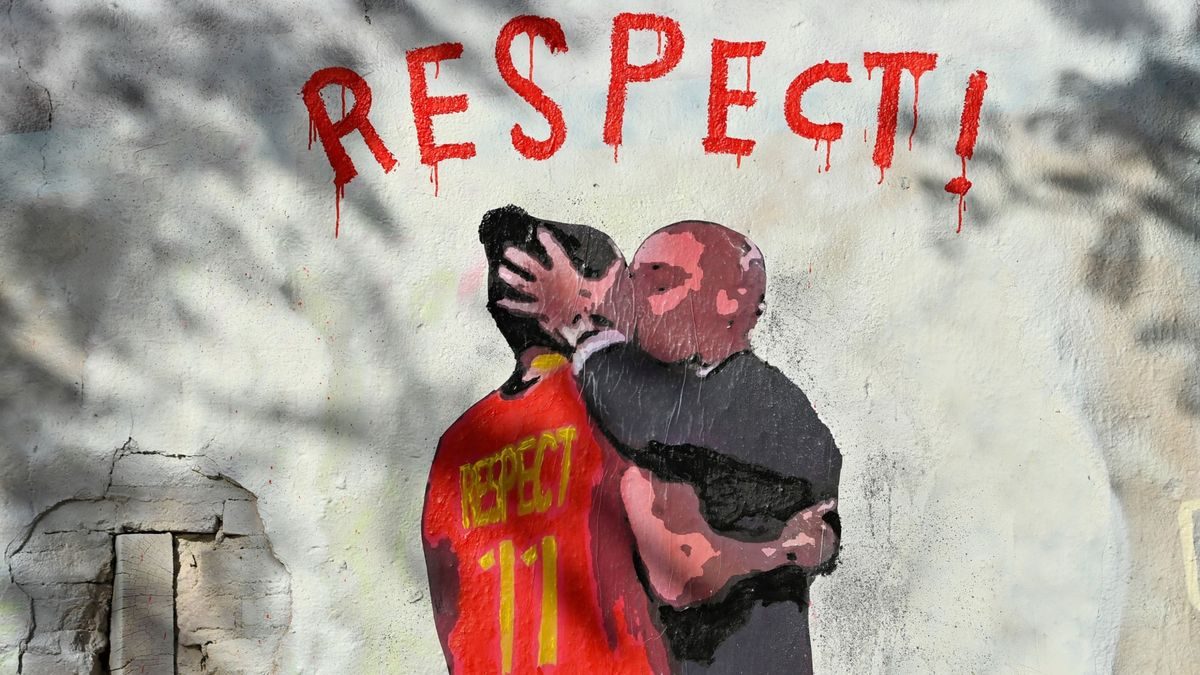
The controversy erupted during a high-stakes match when an incident involving a player and a prominent figure off the pitch went viral. This incident, which many viewed as a breach of personal boundaries, led to widespread condemnation and calls for accountability. Social media became a battleground for opinions, with hashtags trending globally, illustrating just how deeply the matter resonated with fans and non-fans alike.
Critics argue that the incident is symptomatic of a larger problem within Spanish football and, by extension, Spanish culture. It has forced a reckoning, challenging individuals and institutions to confront entrenched attitudes towards masculinity, authority, and consent.
Understanding Cultural Norms in Spanish Football
To unpack this controversy, one must delve into the cultural norms that have traditionally governed football in Spain. Football is not merely a sport in Spain; it is a way of life, a unifying force that transcends regional, linguistic, and social divides. However, this passionate devotion to the sport has often been accompanied by a set of expectations and behaviors that can be problematic.
- Masculinity and Power Dynamics: Spanish football has historically been dominated by a hyper-masculine culture. Players are often expected to embody toughness and dominance, which can lead to toxic behaviors both on and off the pitch.
- Authority Figures: Coaches, club executives, and veteran players often wield significant influence over younger players, creating imbalances in power. This dynamic can obscure issues of consent, making it challenging for players to voice discomfort or opposition.
- Media Representation: The media plays a critical role in shaping perceptions. The portrayal of male athletes can reinforce stereotypes, often glorifying aggressive behavior while downplaying the importance of consent and respect.
The recent scandal has shone a spotlight on these cultural norms, prompting many to question whether they are conducive to a healthy sporting environment. As discussions unfold, it becomes clear that the implications extend far beyond the football pitch.
The Broader Implications for Society
As Spanish football grapples with its identity, the ramifications of this controversy echo throughout society. The discourse surrounding consent and appropriate behavior is not confined to sports; it reflects broader societal attitudes that must be addressed. The following areas stand out as particularly significant:
- Gender Equality: The treatment of women in sports and the workplace remains a contentious issue. The scandal has ignited conversations about how women are perceived in male-dominated spaces, urging society to adopt a more equitable approach.
- Education and Awareness: The need for comprehensive education on consent and respect is paramount. Clubs and organizations must prioritize training that fosters a culture of understanding and accountability.
- Public Accountability: Fans and the public are increasingly demanding accountability from players and clubs. This shift may lead to a more transparent culture where inappropriate behavior is not tolerated.
Football’s Response: Steps Towards Change
In light of the scandal, many within the football community are calling for reform. Various stakeholders—including players, coaches, and governing bodies—have begun to recognize the necessity for change. Here are some steps that are being discussed or implemented:
- Policy Reform: Federations are considering updating their codes of conduct to include clearer definitions of acceptable and unacceptable behavior, particularly regarding consent.
- Player Education Programs: Initiatives aimed at educating players about consent, respect, and the impact of their actions are being championed. Such programs can empower players to foster a more respectful environment.
- Support Systems: Establishing anonymous reporting systems can encourage players to speak out against inappropriate behavior without fear of repercussion.
These changes represent a significant shift in mindset, acknowledging that the values upheld within sports can influence broader societal attitudes. The hope is that by addressing these issues head-on, Spanish football can emerge stronger and more inclusive.
Moving Forward: A Cultural Transformation
The controversy surrounding Spanish football serves as a critical reminder of the need for cultural transformation. It highlights the responsibility of all involved—players, coaches, fans, and governing bodies—to cultivate an environment that prioritizes respect and consent.
As discussions continue, it is essential that this moment is not merely a flashpoint, but rather a catalyst for meaningful change. Stakeholders must engage in ongoing dialogue and action, recognizing that the values and behaviors adopted within sports reverberate throughout society.
Ultimately, the reckoning that Spanish football faces is not just about accountability for past actions but about forging a new path forward. By embracing a culture of respect and understanding, Spanish football can set a powerful example for others, demonstrating that sports can be a force for good—a platform for positive change, rather than a reflection of outdated norms.
Conclusion
The controversy in Spanish football is emblematic of a broader cultural reckoning that transcends the sport itself. As the community grapples with difficult questions surrounding behavior and consent, it has an opportunity to redefine its values and practices. By fostering a culture of respect and accountability, Spanish football can not only enhance its own integrity but also contribute to a societal shift towards equality and understanding. The journey ahead may be challenging, but the potential for positive change is immense.
See more Highlights Daily


