Fans Voice Outrage Over Controversial Super Bowl Scorebug Design
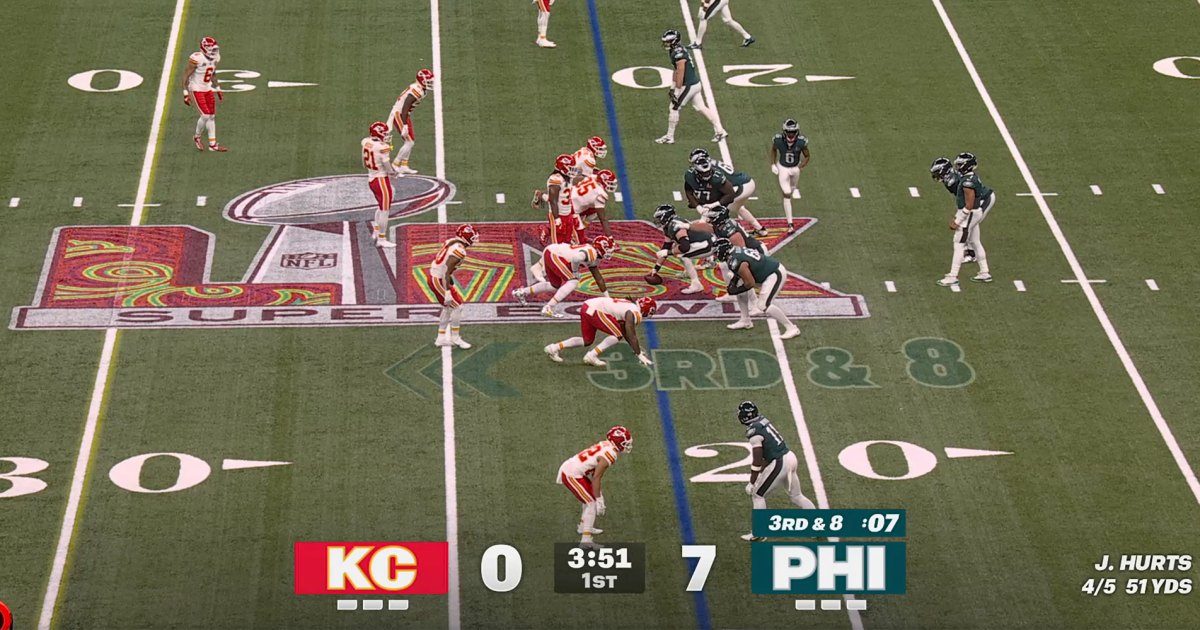
The recent Super Bowl showcased not only thrilling football but also a new scorebug design that has ignited a firestorm of criticism among fans. Social media platforms became a hotbed for discontent, with many viewers vocally expressing their frustration. Described as “nasty work” by several fans, the scorebug’s design has prompted calls for a swift return to previous iterations. In this article, we explore the reasons behind this outrage, the implications for broadcast design, and how networks can respond to viewer feedback.
Understanding the Scorebug Design
A scorebug is a graphical representation displayed on-screen during sports broadcasts, providing viewers with essential information, including the score, time remaining, and other relevant statistics. The design of a scorebug is crucial as it must balance aesthetics with functionality. Ideally, it should be easy to read, visually appealing, and not distract from the action on the field.
In the case of the latest Super Bowl, the scorebug introduced a series of design changes that significantly deviated from previous designs. Key features included:
- Color Palette: The new design adopted a darker, more saturated color scheme that many viewers found jarring.
- Font Style: A bold, modern font was used, which some fans argued compromised readability, especially during fast-paced moments of the game.
- Animation Effects: The introduction of animated elements drew mixed reactions, with some appreciating the flair while others felt it was distracting.
The Fan Backlash
As the game progressed, fans took to platforms like Twitter and Instagram to voice their discontent. Hashtags such as #BringBackTheOldScorebug trended as viewers shared screenshots and memes highlighting their frustrations. Statements like “What a mess!” and “This is just nasty work!” encapsulated the overall sentiment.
Many fans emphasized that the primary purpose of a scorebug is to convey information quickly and clearly. They argued that the new design failed to meet these essential criteria. The overwhelming nature of the visuals drew attention away from the game itself, leading to a less enjoyable viewing experience.
Why Design Matters in Sports Broadcasting
The design of graphics in sports broadcasting isn’t merely a matter of aesthetics; it significantly impacts viewer engagement and understanding. An effective scorebug should enhance the experience, providing clarity while remaining unobtrusive. When viewers are forced to strain their eyes or decipher confusing layouts, it detracts from the overall enjoyment of the game.
Moreover, the Super Bowl is a marquee event watched by millions, making it even more critical for broadcasters to get it right. The backlash against the new scorebug design highlights the importance of considering fan feedback in design decisions.
Analyzing Viewer Expectations
Fans have specific expectations when tuning into high-stakes events like the Super Bowl. These expectations encompass not only the quality of the game but also the presentation elements that accompany it. Viewers often seek:
- Familiarity: Changes to established designs can be disorienting, especially in a tradition-rich event like the Super Bowl.
- Readability: Scorebugs must convey critical information at a glance, and any design that hinders this can lead to frustration.
- Consistency: Viewers expect a consistent style throughout the broadcast. Sudden changes can make the viewing experience feel disjointed.
Lessons for Future Broadcasts
The outrage over the Super Bowl scorebug design serves as a valuable lesson for broadcasters. Understanding the balance between innovation and tradition is key. Here are some insights for networks moving forward:
- Engage with Viewers: Actively seek feedback from fans during the design process. Social media polls or focus groups can provide insights into what viewers want.
- Test Designs: Conduct usability testing on new designs before implementation. This can help identify potential issues and ensure readability.
- Prioritize Functionality: While aesthetics are important, they should never come at the expense of functionality. The primary goal of a scorebug should remain clear communication.
The Role of Social Media in Shaping Design
The digital age has transformed how fans interact with sports broadcasts. Social media platforms provide a space for immediate feedback, allowing viewers to express their opinions in real-time. This dynamic can significantly influence future design choices.
Networks must recognize the power of social media as both a tool for engagement and a source of critique. By monitoring trends and sentiments, broadcasters can better understand their audience and adapt accordingly. Engaging with fans can lead to a stronger community and a more satisfying viewing experience.
Conclusion: A Path Forward
The outrage surrounding the Super Bowl scorebug design underscores the critical nature of viewer feedback in sports broadcasting. As fans continue to express their preferences, networks must adapt their approaches to graphic design. The goal should always be to enhance the viewing experience while respecting the traditions that make events like the Super Bowl special.
By listening to fans and embracing a collaborative approach to design, networks can create scorebugs that not only meet but exceed viewer expectations. The future of sports broadcasting lies in understanding the audience’s voice and ensuring that every design choice reflects their needs and desires.
See more Highlights Daily


