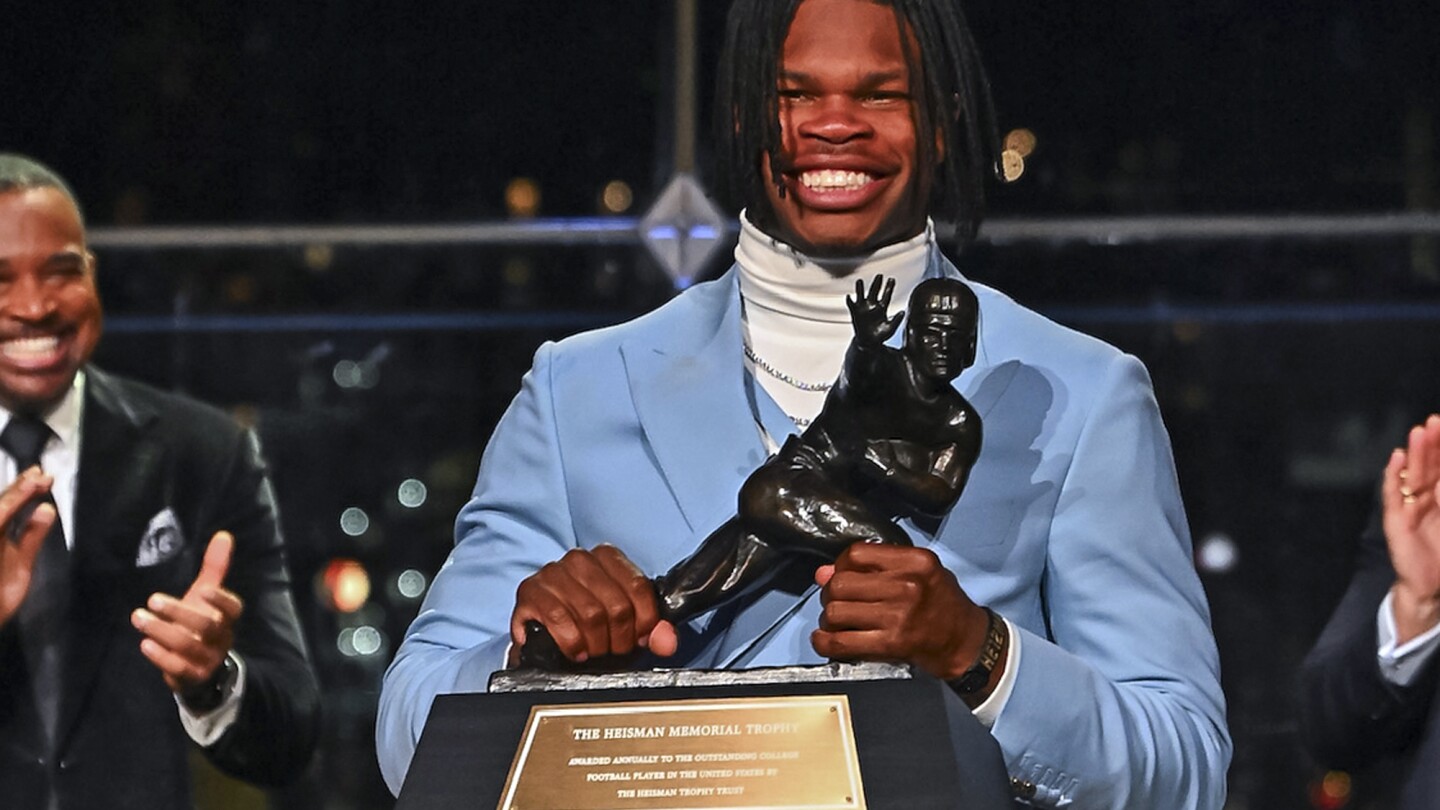
Travis Hunter’s Historic Heisman Win: A New Era in College Football
In a move that has sent shockwaves through the college football landscape, Travis Hunter, the electrifying two-way player from the University of Colorado, has become the first player in history to win the Heisman Trophy while excelling at both cornerback and wide receiver. His remarkable achievement not only underscores his extraordinary skill set but also symbolizes a significant shift in the expectations and roles of college athletes. This pivotal moment in collegiate sports raises important questions about the future of the game, player versatility, and the evolving standards for greatness in football.
The Rise of Travis Hunter
Travis Hunter’s journey to the Heisman Trophy has been nothing short of spectacular. Coming out of high school, he was a five-star recruit, highly coveted for his versatility on the field. Hunter made headlines when he committed to Colorado, a program that has seen a resurgence under the guidance of head coach Deion Sanders. Since his arrival, Hunter has not only performed at a high level but has also become a symbol of the changing dynamics in college football.
A Dual Threat
Hunter’s ability to impact the game from multiple positions is unprecedented. His performance as both a wide receiver and a cornerback allows him to influence games in ways most players cannot. This dual-threat capability has attracted attention from scouts and analysts alike, as it challenges the traditional roles assigned to athletes in college football. His stats this season reflect his prowess:
- Receiving Yards: Over 1,200 yards
- Touchdowns: 15 receiving touchdowns
- Interceptions: 5 interceptions on defense
- Tackles: 50 total tackles
Redefining Expectations for College Athletes
Hunter’s Heisman victory marks a pivotal moment, not just for him but for college football as a whole. Traditionally, the Heisman Trophy has been awarded to quarterbacks and running backs, positions that have dominated the narrative surrounding the award. Hunter’s win signals a broader acceptance of diverse skill sets and roles within the sport, paving the way for future athletes to pursue dual positions without fear of being overlooked for accolades.
Implications for Future Recruiting
Hunter’s success could have far-reaching implications for recruiting strategies across the nation. Programs may begin to prioritize versatile athletes who can contribute in multiple areas. As a result, high school players might be encouraged to develop skills across various positions, rather than specializing early in their careers. This could lead to a more dynamic style of play at the college level, emphasizing adaptability and creativity on the field.
The Role of Deion Sanders and Coaching Influence
Another significant aspect of Hunter’s achievement is the influence of Deion Sanders, a Hall of Fame player who has transitioned into a successful coaching career. Sanders’ charismatic leadership and innovative coaching style have reinvigorated the Colorado football program, allowing players like Hunter to thrive. His emphasis on player empowerment and self-expression has resonated with young athletes, encouraging them to embrace their unique talents.
A New Coaching Paradigm
As more former players like Sanders take on coaching roles, the approach to player development and game strategy is likely to evolve. The emphasis on versatility and the holistic development of athletes may become a hallmark of successful programs. Coaches will need to adapt their strategies to leverage the diverse talents of their rosters, promoting a more inclusive and multifaceted approach to the game.
Broader Implications for College Football
The implications of Hunter’s Heisman win extend beyond individual accolades. It signals a shift in how college football is perceived, particularly in terms of athlete identity and branding. With the advent of the Name, Image, and Likeness (NIL) era, players like Hunter are now able to monetize their talents and market themselves in unprecedented ways. This newfound freedom allows athletes to build personal brands that reflect their duality and unique skills.
Changing the Narrative
As college football continues to evolve, the narrative surrounding what it means to be a successful athlete will also change. Hunter’s achievement opens the door for discussions about mental health, work-life balance, and academic success for student-athletes. With the pressure to perform at a high level, balancing academics, athletics, and personal life is crucial. Programs that support their players holistically will likely see greater success both on and off the field.
Conclusion: Embracing a New Era
Travis Hunter’s historic Heisman win is more than just a personal triumph; it is a landmark moment for college football. His ability to excel in multiple roles challenges the conventional wisdom about the game and sets a new precedent for future athletes. As college football embraces this new era, it is essential for coaches, players, and fans to recognize and celebrate the diverse talents that athletes like Hunter bring to the field. The implications of this shift will resonate throughout the sport, shaping the future of college football for years to come.
As we look ahead, the excitement around versatility and adaptability in athletes will undoubtedly grow, promising a thrilling evolution of the game that fans and players alike will embrace.
See more Highlights Daily


