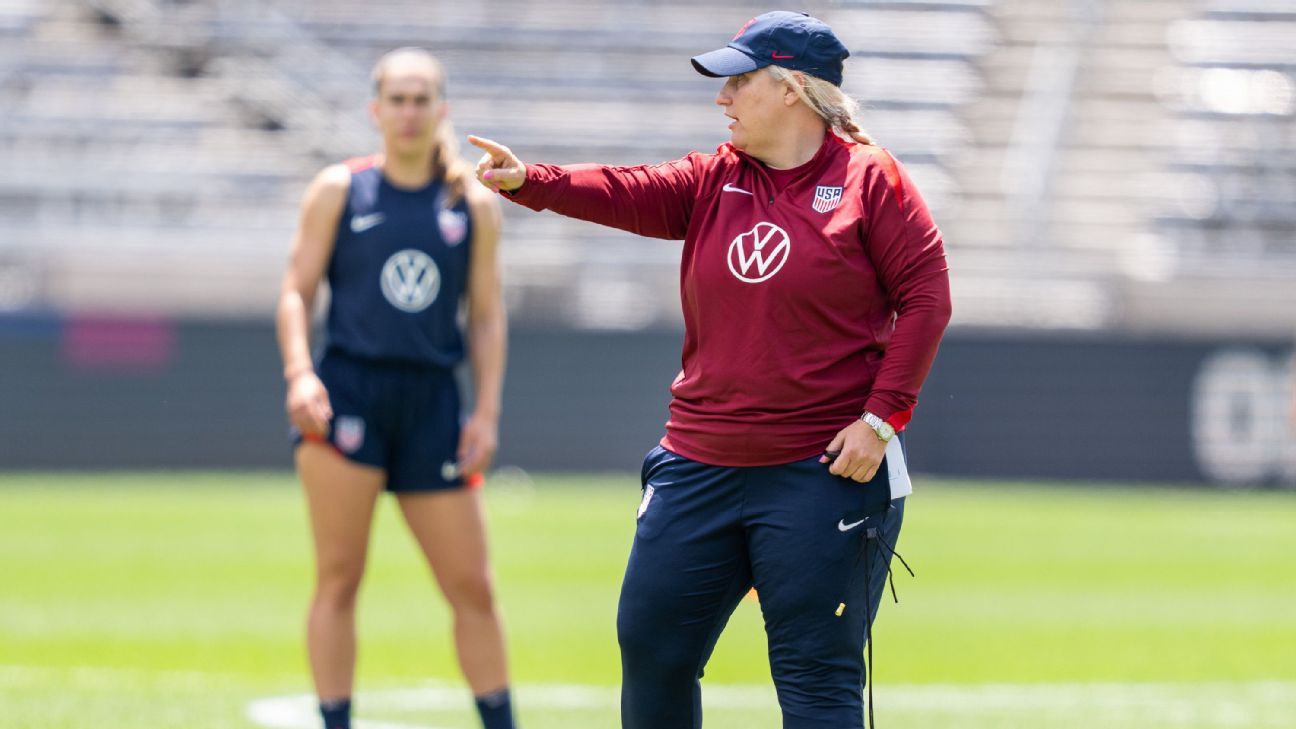
USA Women’s Soccer Team Relocates Training Camp Amid California Wildfires
The USA women’s soccer team has recently made headlines by relocating its training camp from Los Angeles to Florida due to the devastating wildfires ravaging California. This decision underscores the unpredictable challenges that athletes face, particularly when natural disasters disrupt their training and preparation for major competitions. The move not only reflects the ongoing environmental crises but also highlights the resilience and adaptability of elite athletes. In this article, we will explore the implications of this relocation, the challenges posed by natural disasters on sports training, and how the team is adjusting to their new environment.
Understanding the Relocation Due to Wildfires
California is no stranger to wildfires, with the state experiencing an increase in both the frequency and intensity of these disasters over the years. The recent wildfires have been fueled by a combination of dry conditions, high winds, and rising temperatures, creating a perilous situation for residents and local wildlife alike. For athletes, such environmental factors can severely hinder their ability to train effectively, leading to the decision made by the USA women’s soccer team to move their camp.
In moving to Florida, the team aims to ensure a safe and conducive training environment. Florida offers a different climate and landscape, allowing the players to focus on their training without the looming threat of smoke and hazardous air quality that comes with wildfires. The relocation is not merely a logistical change but a strategic decision to maintain their competitive edge as they prepare for upcoming tournaments.
The Impact of Natural Disasters on Athlete Preparation
Natural disasters like wildfires, hurricanes, floods, and earthquakes can significantly disrupt the training regimens of athletes. Here are some of the major impacts:
- Access to Training Facilities: Disasters may damage or render facilities unusable. For a soccer team, this means losing access to fields, gyms, and essential sports equipment.
- Air Quality Concerns: Wildfires lead to poor air quality, which can affect athletes’ health and performance. Training in such conditions can lead to respiratory issues and decreased stamina.
- Psychological Stress: The emotional toll of natural disasters can weigh heavily on athletes. Concerns for family, friends, and community can distract them from their training focus.
- Scheduling Conflicts: Events may get postponed or rescheduled, disrupting the athletes’ plans and preparations.
Training Camp Dynamics in Florida
Florida’s warm climate and extensive sports facilities offer an ideal environment for the USA women’s soccer team to continue their preparations. The team will have access to top-notch training venues, which can accommodate their rigorous practice schedules. Here are some aspects of their training camp in Florida:
- Facilities: Florida boasts several state-of-the-art sports complexes and fields that can cater to the team’s training needs, ensuring they have the best resources available.
- Support Staff: The team will continue to work with their coaches and support staff, who will adapt training regimens to take advantage of Florida’s unique weather and facilities.
- Team Bonding: The relocation offers an opportunity for team bonding in a new environment, fostering camaraderie and unity, especially important in a high-stakes competitive sport.
Resilience in the Face of Adversity
The USA women’s soccer team’s ability to adapt to such unforeseen circumstances showcases their resilience. Athletes often train not just for physical endurance but also for mental toughness. This situation serves as a reminder of the unpredictability of life and the necessity for flexibility.
In the wake of relocating to Florida, the team’s coaching staff has emphasized the importance of maintaining a positive attitude. They have incorporated activities that help to build morale and keep the players focused on their goals. With upcoming competitions on the horizon, this mindset is crucial for their success.
Future Implications for Sports Teams and Organizations
The relocation of the USA women’s soccer team serves as an example of how sports organizations must be prepared for the impacts of climate change and natural disasters. Here are some future implications to consider:
- Emergency Preparedness Plans: Sports teams should develop comprehensive emergency plans that outline procedures for relocating training camps and maintaining athlete safety during disasters.
- Investment in Technology: Utilizing technology to monitor environmental conditions can help teams make informed decisions about their training locations.
- Community Engagement: Teams can play a role in community resilience by collaborating with local organizations to support disaster relief efforts.
Conclusion
The USA women’s soccer team’s decision to relocate its training camp amid California wildfires highlights not only the challenges athletes face due to natural disasters but also their incredible capacity for resilience and adaptability. As they settle into their new environment in Florida, the team remains focused on their goals, undeterred by the obstacles in their path. This situation serves as a broader reminder for all sports organizations to prepare for the unpredictability of climate-related challenges, ensuring that athletes can continue to pursue excellence, no matter the circumstances.
In a world where natural disasters increasingly disrupt lives and sports alike, the ability to pivot and adapt is essential. The USA women’s soccer team exemplifies this spirit, showing that with determination and teamwork, they can overcome challenges and continue their quest for success on the global stage.
See more Highlights Daily


