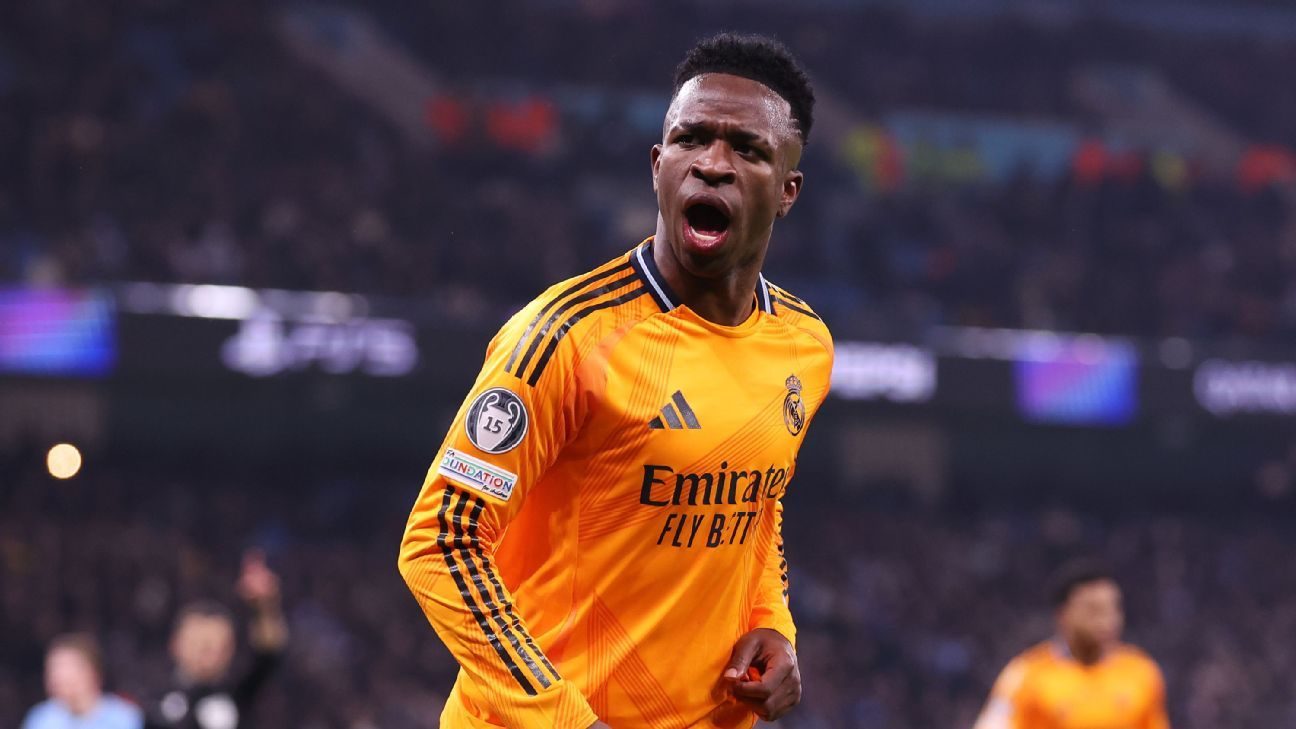
Vinícius Speaks Out: Understanding On-Field Conduct and Its Implications
In a world where the spotlight shines brightly on athletes, their actions on and off the pitch are under constant scrutiny. Recently, Real Madrid’s star player, Vinícius Júnior, spoke candidly about the complexities of conduct on the pitch. In an engaging interview, he acknowledged that he isn’t a ‘saint,’ providing a nuanced perspective on the pressures professional athletes face. This article explores Vinícius’s insights, the challenges of maintaining composure under pressure, and the broader implications of athlete behavior in the public eye.
The Weight of Expectations
For athletes like Vinícius, the expectations can be overwhelming. Every match is not just a game; it’s a performance where every action is analyzed by fans, pundits, and critics alike. The Brazilian winger noted that “being in the limelight means you have to be perfect, but perfection is an illusion.” This statement encapsulates the struggle many athletes face in balancing their competitive spirit with societal expectations.
Vinícius emphasized that while he strives to be a role model, he is also human, subject to emotions and pressures that can lead to mistakes. His candid acknowledgment of his flaws reflects a growing trend among athletes who are beginning to speak out about mental health and the pressures of professional sports.
Challenges of Maintaining Composure
On the field, emotions run high. The adrenaline of competition, combined with the desire to win, can lead to moments of frustration and heated exchanges. Vinícius explained that “football is a passionate game, but sometimes that passion can be misinterpreted.” He highlighted instances where his reactions to fouls or verbal abuse from opponents were seen as overreactions, rather than a natural response to provocation.
Understanding this context is crucial. Athletes are often pushed to their limits, and in those moments, the line between professionalism and frustration can blur. Vinícius’s experiences illustrate how quickly perceptions can shift, especially when the media is involved. His comments invite a conversation about the responsibility of the media in portraying athletes accurately, emphasizing the need for context in their narratives.
Media Representation and Misunderstandings
The role of media in shaping public perception cannot be overstated. Vinícius shared his frustrations about how moments of passion are sometimes sensationalized, leading to a skewed understanding of his character. “If I show emotion, I’m labeled as aggressive; if I keep quiet, I’m seen as passive,” he remarked. This dichotomy raises questions about how athletes are portrayed and the potential consequences of these portrayals.
- Media Sensationalism: The tendency to amplify negative moments can overshadow an athlete’s achievements and character.
- Public Perception: Fans may form opinions based on one-dimensional portrayals, which can be detrimental to the athlete’s image.
- Impact on Mental Health: Continuous scrutiny can affect an athlete’s mental well-being, leading to stress and anxiety.
Vinícius’s Call for Understanding
Vinícius’s interview serves as a reminder that athletes are multifaceted individuals. He urged fans and critics to consider the pressures of the sport before rushing to judgment. “I want people to see the human side of me,” he stated, emphasizing the importance of empathy in understanding athlete conduct. This call for understanding is vital, particularly in an era where mental health discussions are becoming more mainstream.
The Human Element of Sports
At the core of Vinícius’s message is the human element of sports. Athletes are not just performers; they are individuals with emotions, families, and challenges. The expectation to maintain a façade of perfection can be exhausting. Vinícius wants to break down these barriers, inviting fans to recognize that behind every athlete is a person navigating their journey.
Moreover, his willingness to admit that he is not a ‘saint’ opens the door to more honest conversations about athlete conduct. It challenges the narrative that athletes must always adhere to a strict code of behavior, allowing for a more authentic representation of their experiences.
Conclusion: The Way Forward
Vinícius Júnior’s reflections on conduct on the pitch illuminate the complexities faced by professional athletes. His candid acknowledgment of his imperfections resonates with many, encouraging a shift in how society perceives athlete behavior. As fans, media, and stakeholders in sports, it is crucial to foster an environment that prioritizes understanding and empathy over judgment.
As the conversation around mental health in sports continues to evolve, Vinícius’s insights serve as a valuable contribution to the discourse. By embracing the human side of athletes, we can create a more supportive environment where players are encouraged to express themselves without fear of backlash. The world of sports can undoubtedly benefit from a more compassionate approach—one where athletes like Vinícius can thrive both on and off the pitch.
In the end, the complexities of athlete conduct are as multifaceted as the game itself. It’s time to listen, understand, and appreciate the journey of those who entertain us with their extraordinary talents.
See more Highlights Daily


