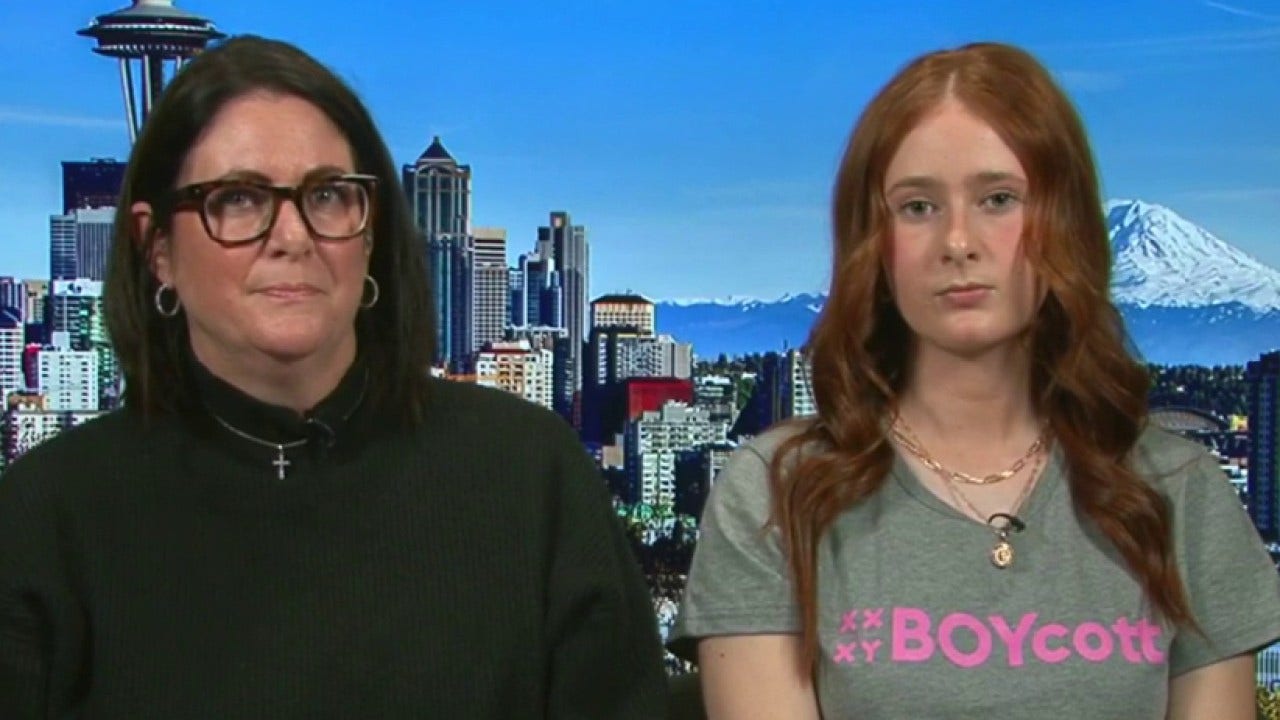
Washington Teen Sparks Controversy by Refusing to Compete Against Trans Athlete
A recent incident in Washington state has stirred a passionate debate surrounding sports and gender identity, igniting discussions that touch on fairness, inclusion, and the evolving landscape of competitive athletics. A high school basketball player, whose identity remains undisclosed to protect privacy, made headlines after she refused to compete against a transgender athlete during a championship game. This decision has not only garnered significant media attention but has also led to a civil rights complaint, raising complex questions about equality, sportsmanship, and the rights of athletes in a rapidly changing cultural environment.
The Incident Explained
The controversy began when the female athlete, a member of her high school basketball team, learned that she would be competing against a transgender girl during an important league match. Citing concerns about fairness in competition, she chose to withdraw from the game. Her decision was met with mixed reactions—some applauded her stance, while others criticized it as discriminatory. The athlete has since stated that her decision was not born out of animosity but rather from a desire to ensure a level playing field for all competitors.
Understanding the Context
To fully grasp the implications of this incident, it is crucial to understand the broader context of transgender participation in sports. Over the past few years, as societal attitudes toward gender identity have evolved, many sports organizations have begun to revise their policies to include transgender athletes. The aim is to foster inclusivity while attempting to maintain a sense of fairness in competition.
- Sports Organizations’ Policies: Various governing bodies, including the NCAA and the International Olympic Committee, have implemented guidelines to facilitate the participation of transgender athletes. These policies often require athletes to undergo hormone therapy for a specified period.
- Legal Framework: In some states, laws have been enacted to protect the rights of transgender athletes, allowing them to compete in accordance with their gender identity. However, this legal backdrop can be contentious and varies significantly across the United States.
The Civil Rights Complaint
Following the refusal to compete, a civil rights complaint was filed, alleging that the young athlete’s actions constituted discrimination against the transgender athlete. This complaint has highlighted the clash between individual rights and collective sportsmanship. Legal experts suggest that the resolution of this case could set important precedents for future cases involving transgender athletes.
Perspectives on Fairness and Inclusion
The debate over fairness in sports is complex. Advocates for transgender rights argue that inclusion is essential in promoting equality and respect for all athletes. They assert that the essence of sports is competition and that all individuals should have the opportunity to participate, regardless of gender identity. Supporters of this view often make the following points:
- Equal Opportunity: Everyone deserves the chance to compete and be part of the athletic community.
- Personal Identity: For many transgender individuals, participation in sports is a critical aspect of their identity and personal development.
On the other hand, opponents raise concerns about physical advantages that transgender athletes might possess, particularly in contact sports. They argue that biological differences can create an uneven playing field, potentially disadvantaging cisgender female athletes. This sentiment is echoed in various discussions surrounding the issue:
- Physical Differences: Critics argue that male-to-female transgender athletes may retain physical advantages, such as muscle mass and strength, even after hormone therapy.
- Safety Concerns: In contact sports, the potential for injury is a significant concern, especially when discussing mixed-gender competition.
Potential Solutions and Path Forward
As discussions continue, various stakeholders are calling for more robust dialogue to address the concerns of all parties involved. Potential solutions could include:
- Individualized Assessments: Implementing case-by-case assessments of athletes’ competitive eligibility could ensure fairness while respecting gender identity.
- Separate Categories: Creating additional categories or divisions in sports might provide a solution that allows for both inclusion and fair competition.
- Education and Awareness: Promoting understanding and acceptance within athletic communities can help mitigate conflicts and foster a more inclusive environment.
The Role of Community and Dialogue
Community involvement is vital in navigating this sensitive issue. Coaches, parents, and school administrators play crucial roles in fostering an environment that values both fairness and respect. Open dialogue within sports teams and organizations can help bridge gaps in understanding and promote a culture of inclusivity.
It is essential for all stakeholders to engage in difficult conversations and listen to diverse perspectives. Creating forums for discussion can help clarify concerns and lead to shared solutions that honor both the rights of transgender athletes and the competitive integrity of sports.
Conclusion: A Continuing Conversation
The situation surrounding the Washington teen who refused to compete against a transgender athlete has opened a Pandora’s box of questions about gender, fairness, and the future of sports. As society continues to evolve in its understanding of gender identity, the sports world faces the challenge of balancing inclusivity with fair competition.
While this incident may be just one of many, it serves as a crucial reminder that the conversation about gender and sports is far from over. Moving forward, it is imperative for all involved to seek solutions that respect the rights of individuals while maintaining the spirit of competition. Through education, dialogue, and empathy, it is possible to create a sporting environment that honors both diversity and fairness.
See more Highlights Daily


