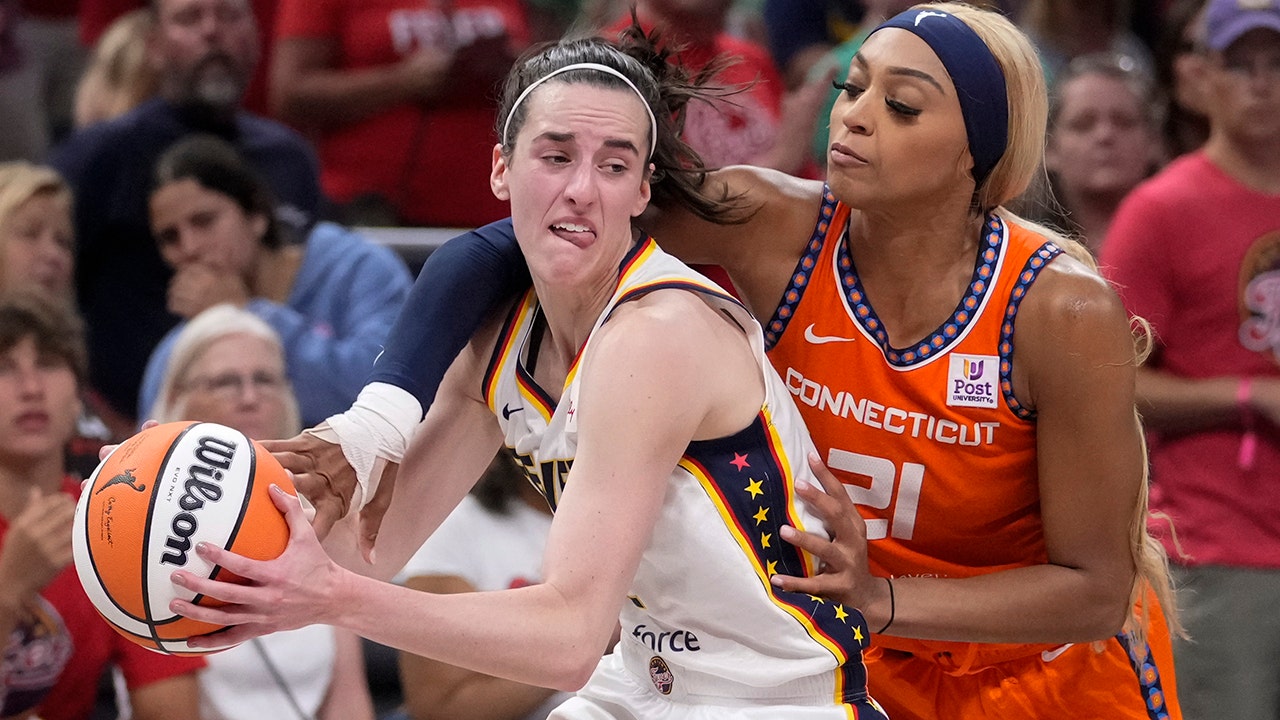
WNBA Players Speak Out: Alarming Privacy Concerns Following Stalker Incident
In a shocking turn of events that has sent ripples through the sports community, WNBA players are voicing their concerns over personal safety and privacy in light of a recent stalking incident involving star player Caitlin Clark. The situation has sparked a broader discussion about the vulnerabilities faced by athletes, particularly women, in the public eye. As these players share their unsettling experiences, it becomes increasingly clear that urgent action is needed to enhance security measures in professional sports.
Understanding the Incident
The incident involving Caitlin Clark, a standout player renowned for her on-court prowess, unfolded when she reported a stalking situation that left her feeling vulnerable and unsafe. This alarming event not only raised questions about her safety but also brought to light the broader implications for all female athletes who often find themselves in the crosshairs of obsessive fans or stalkers.
Clark’s experience is not an isolated case. Many WNBA players have faced similar threats, leading to a collective concern about their privacy and security. In a sport that garners significant media attention, the visibility of these athletes can often lead to unwanted interactions that invade their personal lives.
Voices from the Court: Personal Experiences
In recent interviews, several WNBA players have bravely shared their own frightening encounters, highlighting a pattern of harassment that has persisted in the sporting world. Players like Breanna Stewart and Allisha Gray have opened up about their experiences with fans crossing the line, whether it be through incessant messaging on social media or even following them in public spaces.
- Breanna Stewart: “I’ve had moments where I felt uncomfortable, whether it was fans approaching me in a way that felt too personal or receiving messages that made me question my safety.”
- Allisha Gray: “It’s tough to balance being a public figure and maintaining your privacy. You want to connect with fans, but there’s a line that shouldn’t be crossed.”
These testimonies reveal a disturbing trend: the fine line between admiration and obsession can be perilously thin, and athletes often bear the brunt of that reality.
Implications for Athlete Safety
The stalking incident involving Caitlin Clark has prompted discussions about the psychological impact such experiences can have on athletes. The constant anxiety over personal safety can affect performance on the court, as players become preoccupied with their surroundings rather than focusing on the game they love.
Moreover, the invasion of privacy can lead to long-term emotional distress. Many athletes report feeling as though they are always under surveillance, which can be exhausting and detrimental to their mental health. The pressure to maintain a public persona while juggling personal safety is a heavy burden that many athletes, particularly women, carry.
Calls for Enhanced Security Measures
In light of these harrowing experiences, WNBA players are advocating for stricter security protocols both on and off the court. They are urging league officials and team management to take proactive steps to ensure their safety. Some proposed measures include:
- Increased Security Personnel: Having trained security personnel present at games and team events can help deter potential threats.
- Enhanced Social Media Monitoring: Teams should implement systems to monitor social media interactions, identifying potentially harmful behavior before it escalates.
- Education and Awareness Programs: Athletes should receive training on how to handle stalkers or obsessive fans, empowering them to take control of their situations.
Community Support and Advocacy
The WNBA community has rallied around the affected players, emphasizing the importance of solidarity in addressing these issues. Many teams are collaborating with advocacy groups focused on safety and privacy, seeking guidance on best practices to protect athletes.
Additionally, fans and supporters have a role to play in creating a safer environment. Understanding the boundaries of fan interactions and promoting respectful behavior can significantly impact the safety of athletes. The message is clear: admiration should never cross into harassment.
The Role of Technology in Enhancing Privacy
As the WNBA grapples with privacy concerns, technology can play a pivotal role in enhancing athlete safety. Innovations such as:
- Personal Safety Apps: Apps that allow players to quickly alert authorities or trusted contacts in emergencies can provide peace of mind.
- GPS Tracking: While it’s a double-edged sword, allowing close friends or family to track a player’s location in real-time can enhance safety during travel.
- Smart Surveillance: Utilizing advanced surveillance systems at arenas and practice facilities can help identify and respond to potential threats more efficiently.
By integrating these technologies, the WNBA can take significant strides toward safeguarding its players.
Moving Forward: A Collective Responsibility
As WNBA players speak out about their alarming privacy concerns, it is crucial for all stakeholders in the sports community—officials, teams, fans, and advocacy groups—to unite in addressing these issues. The recent stalking incident involving Caitlin Clark is a wake-up call, highlighting the urgent need for comprehensive measures to protect athletes.
While the discussions sparked by this incident are unsettling, they also offer an opportunity for growth and improvement within the league. By prioritizing the safety and privacy of players, the WNBA can foster an environment where athletes feel secure, allowing them to focus on their performance and inspire the next generation of players.
In conclusion, the voices of WNBA players are a powerful reminder that personal safety and privacy should never be compromised. As the league moves forward, it must take proactive steps to ensure that athletes can thrive both on and off the court, free from the threat of harassment and harm.
See more Highlights Daily


